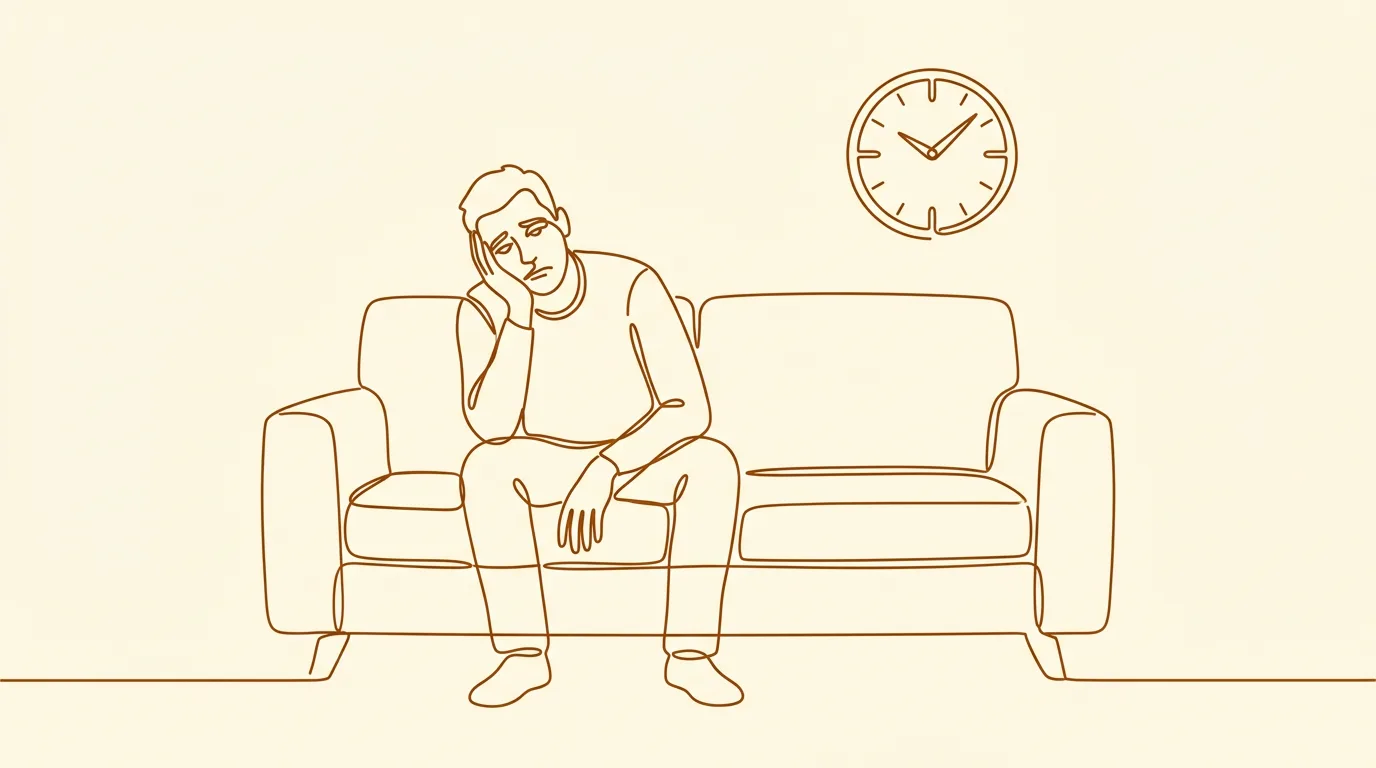
Emotional triggers for porn often appear in ordinary moments: after a date that did not go anywhere, during a quiet weekend, after a conflict, or when loneliness has been building for days. The urge may arrive before the feeling has been clearly named.
These triggers matter because the urge is tied to a feeling the person wants to reduce quickly. Porn can become a fast way to change state, especially when the person has not built other ways to handle loneliness, rejection, sadness, anger, or shame.
This article breaks down how loneliness, rejection, and other emotional triggers drive porn use, and what you can do instead. For the full picture on triggers of all kinds, start with our complete guide to urges and triggers.
Key takeaways
- Emotional triggers often start with a feeling that needs attention before the urge can be managed
- The emotional regulation gap is the space between what you feel and your ability to process it without reaching for something external
- Porn can change the emotional state temporarily. The original feeling usually returns with added shame or discouragement
- When triggered, reduce intensity first, name the specific emotion, then respond to the real need directly, even imperfectly
- Each time you respond to a difficult emotion without porn, emotional regulation becomes a little more available
How emotions become porn triggers
Every person has an emotional regulation system, a set of internal tools for processing difficult feelings. When that system is working well, you can feel loneliness without becoming overwhelmed by it. You can experience rejection without immediately escaping it. You can stay with sadness long enough for it to move.
But for many people, that system was never fully developed. Maybe you grew up in a household where emotions were dismissed or punished. Maybe you learned early that the way to deal with pain was to push it down. Maybe porn became your primary coping tool during adolescence, before you had a chance to build healthier ones.
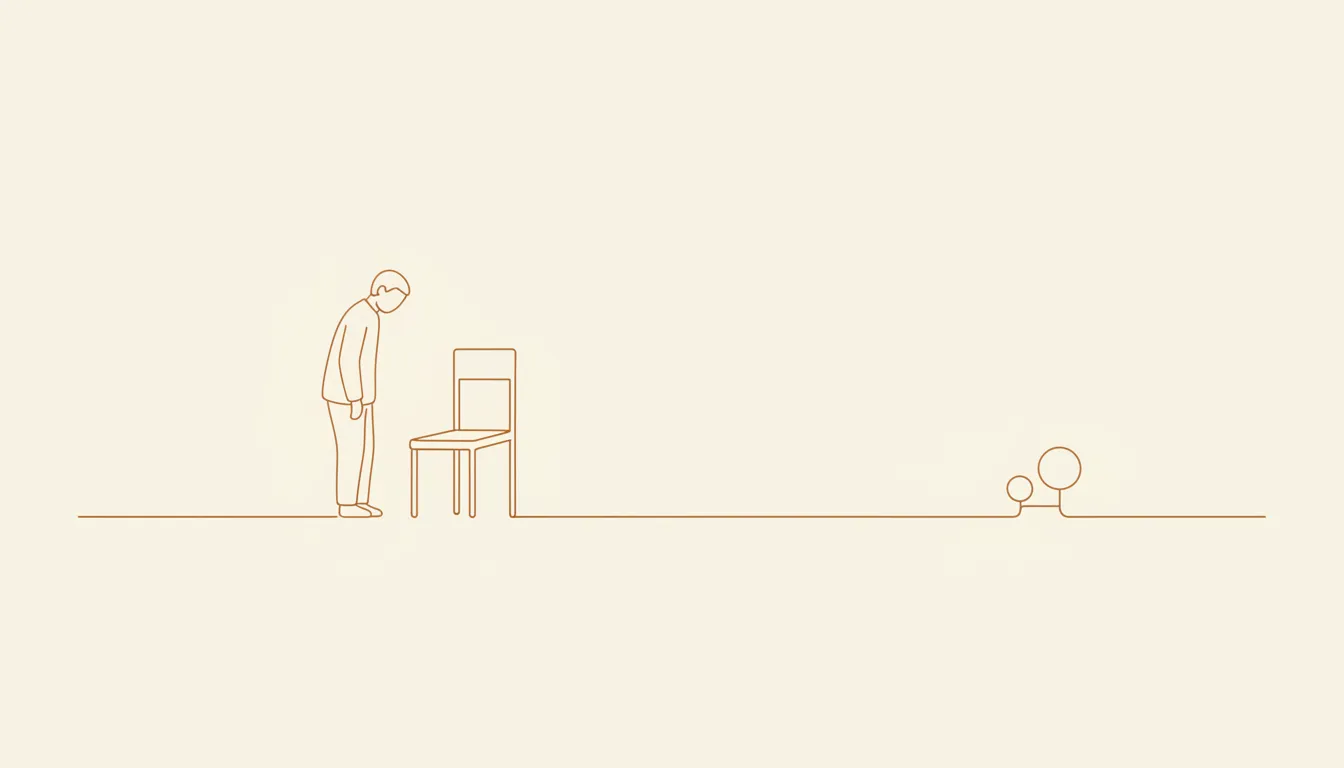
The result is what you might call the emotional regulation gap: the space between the intensity of what you feel and your ability to process it without reaching for something external.
Porn can fill that gap for a short time. Dopamine and arousal temporarily reduce the pain, creating a window where the feeling is muted. The emotion is usually still there afterward, and it may be harder to face because shame has been added to it.
The specific emotional triggers
Loneliness
Loneliness is one of the most common emotional triggers for porn use. It may be the loneliness of being alone tonight, or the deeper feeling that nobody really knows you, that you are disconnected from other people, or that ordinary contact is missing from your life. A 2024 study on emotion regulation and problematic pornography use found that loneliness partially mediates the relationship between difficulties in emotion regulation and problematic pornography use, with the effect being especially strong in men.
Porn can simulate what is missing. It mimics intimacy, eye contact, acceptance, and desire. For a few minutes, the brain receives cues that resemble connection. Afterward, the gap between the screen and real life can feel more visible.
Porn use can also increase loneliness over time. It may replace the motivation to seek real connection, create shame that makes withdrawal easier, and keep the original need unmet.
Rejection
Rejection, whether romantic, social, or professional, creates a specific kind of pain. It can make the mind search for proof of worth or for a fast way to escape the feeling.
Porn can feel appealing after rejection because it removes the risk of being seen, evaluated, or turned away. The screen offers stimulation without vulnerability.
Porn after rejection can reinforce the belief that the feeling is too much to handle. Over time, that pattern can increase sensitivity to rejection.
Sadness and grief
Sadness slows everything down. It can feel heavy, low-energy, and difficult to move through. Porn can override sadness without requiring much effort; you do not have to leave the couch, talk to anyone, or do anything difficult.
This is why relapse risk can rise during grief, loss, or depressive episodes. The emotional weight is real, and the usual alternatives, such as exercise, socializing, or hobbies, may feel out of reach when functioning is low.
Anger and frustration
Anger is high-energy and wants an outlet. It creates physiological activation: your heart rate increases, your muscles tense, and your brain looks for a release valve.
Porn can function as that release valve, channeling the energy into a different kind of arousal. Many people only notice the anger connection after they start tracking their triggers.
The shame spiral
After any of the emotions above trigger a relapse, shame enters the picture. And shame is itself one of the most potent emotional triggers, creating a loop where the consequence of one relapse becomes the cause of the next.
We've written a dedicated article on this pattern: Quitting porn without shame.
A more gradual way to handle feelings
You may have heard the advice to sit with the emotion and let it pass.
That advice can be useful, but it is often incomplete early in recovery, when the emotional regulation gap is still wide. The capacity to stay with intense emotions is a skill that needs to be built gradually.
A more realistic approach has four parts:
Step 1: reduce the intensity first
When an emotional trigger hits, the first priority is bringing the intensity down to a manageable level. The aim is to lower the volume enough to make the next step possible.
Physical resets are the fastest way to do this. Cold water on the face, intense exercise, slow breathing. These work at the nervous system level, bypassing the mental negotiation entirely.
Step 2: name what you're actually feeling
Once the intensity is lower, get specific. A vague label like "I feel bad" leaves too much unclear. Try:
- "I feel lonely because I spent the whole weekend alone."
- "I feel rejected because she didn't text back."
- "I feel angry because my boss dismissed my idea in front of everyone."
- "I feel sad because I miss how things used to be."
Specificity matters because it turns a vague emotional storm into a concrete experience you can examine and respond to.
Step 3: meet the need directly (even imperfectly)
Each emotional trigger points to an unmet need. Loneliness points to a need for connection. Rejection points to a need for validation or belonging. Sadness points to a need for comfort. Anger points to a need for agency or respect.
Porn can mimic connection, validation, comfort, or release for a short time. The work of recovery includes building alternative pathways that respond to those needs directly:
- For loneliness: Call someone. Go somewhere with people. Even a coffee shop where you are around others helps. If close relationships are limited, building them is one of the most important things you can do for recovery, and it is a process, not an overnight fix.
- For rejection: Write down three things that are true about your value that have nothing to do with the person who rejected you. Talk to someone who sees you clearly. Keep the rejection tied to this situation instead of letting it become a global judgment.
- For sadness: Let yourself be sad without trying to fix it. Cry if you need to. Write about it. Talk about it. The recovery task is to grieve without numbing.
- For anger: Move your body hard. Intense exercise is one of the healthiest anger outlets. Write an unsent letter. Hit a pillow. Find a way to discharge the energy without directing it at yourself or someone else.
Step 4: build the capacity over time
Each time you experience a difficult emotion and respond to it without porn, you're widening your emotional regulation capacity. The gap gets smaller. The skills get stronger.
This process is uneven. Setbacks can happen, especially when the emotion is intense and the plan is still new. What matters next is the repair: go to Quitting porn without shame if shame is threatening to pull you into a spiral.
When you need more support
Emotional triggers (especially loneliness, rejection, and grief) sometimes point to needs that go beyond self-help articles. If you're dealing with:
- Persistent depression or anxiety tied to porn use
- Trauma from childhood or past relationships
- Deep social isolation with no close relationships
- Grief that feels stuck or unprocessed
Consider talking to a therapist, counselor, or support group. Some emotional work is easier and safer with another person in the room.
Respond to the signal
Emotions often point toward something that needs attention. Loneliness points toward connection. Rejection can raise questions about belonging and self-worth. Sadness may point toward a loss that needs care.
Porn can quiet those signals for a short time. Recovery means learning to notice them and respond with something that meets the need more directly.
For the broader framework on handling any trigger, go back to Urges and triggers: the complete guide. If your emotional triggers tend to hit at night, read Late-night urges for specific strategies.