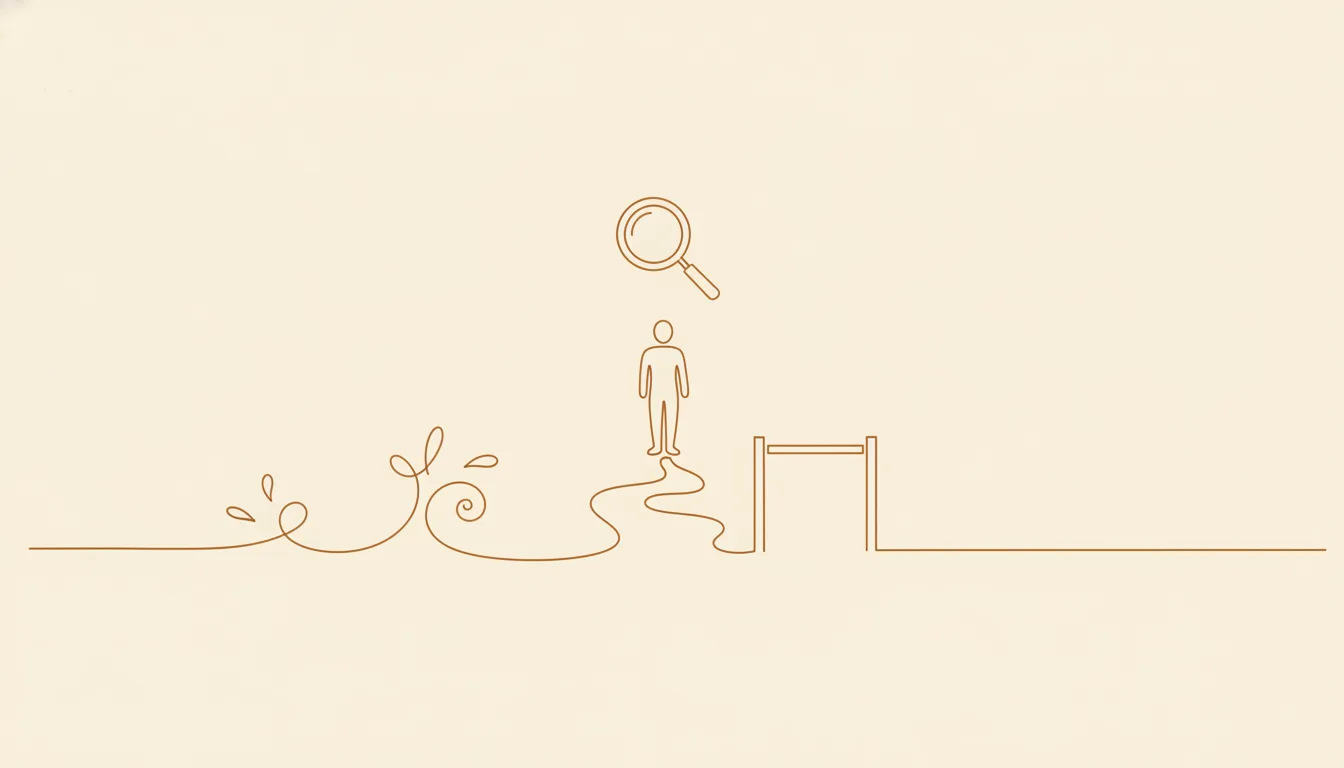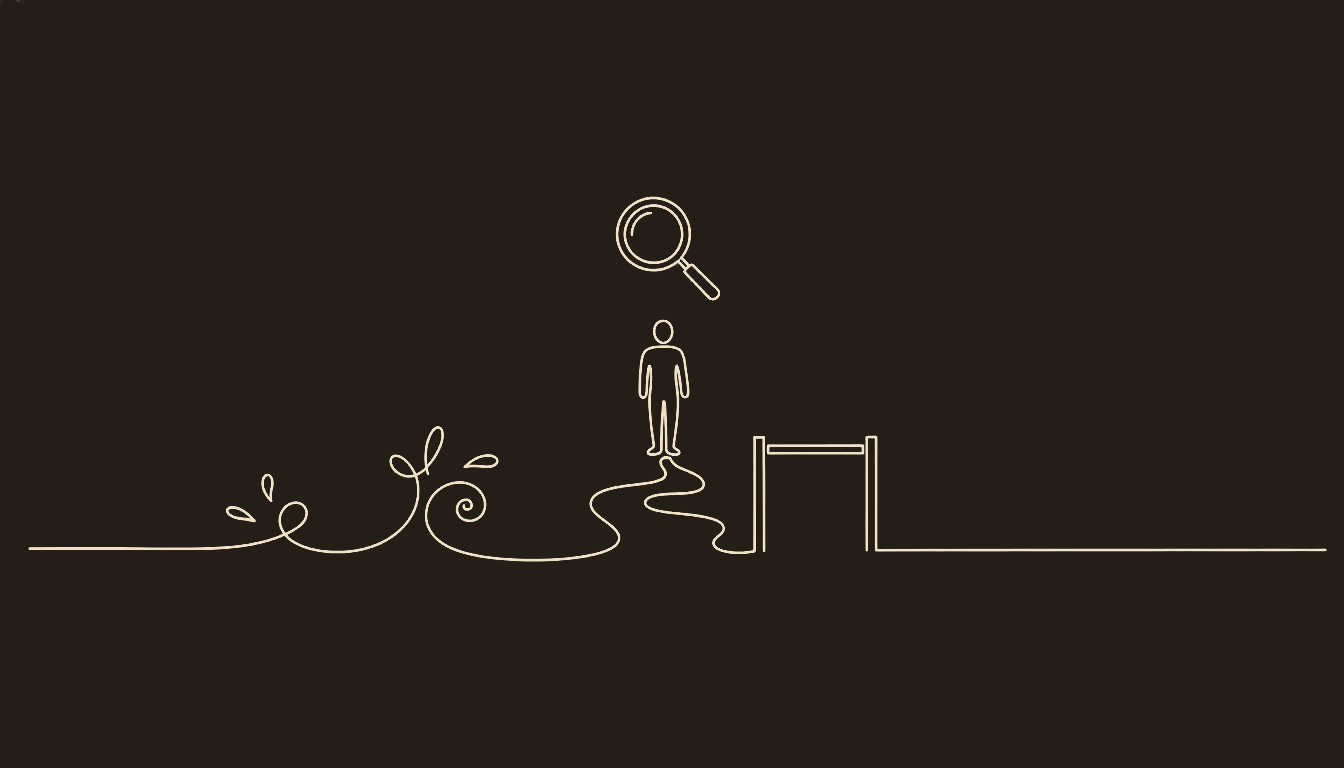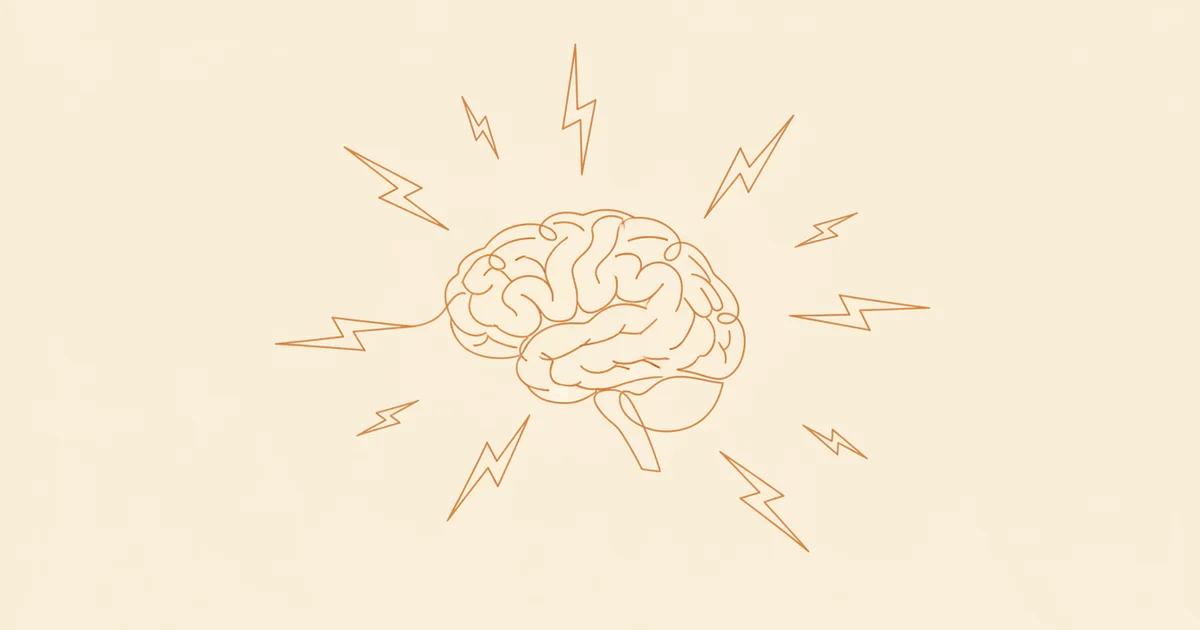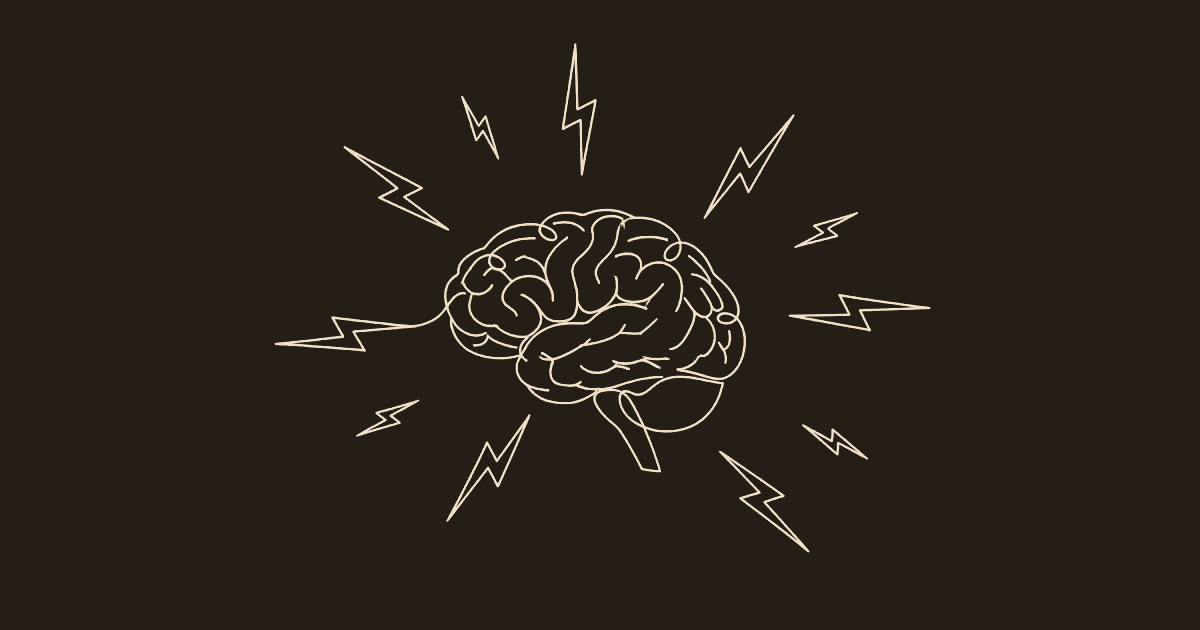
Porn can become part of an anxiety cycle. A stressful trigger appears, porn becomes the next move, and the original problem is still there afterward. The aftermath may add lost time, secrecy, shame, sleep disruption, or worry about repeating the pattern.
That is the loop many people are trying to understand when they search: does porn cause anxiety?
The honest answer needs context. When porn use becomes compulsive, secretive, or used as a way to escape distress, it can reinforce anxiety in a real way. A 2026 nationally representative U.S. study found that people with higher problematic pornography use reported higher anxiety, depression, loneliness, and distress. Earlier research also connects compulsive pornography use with anxiety, stress, and depression, especially when porn is used to escape difficult emotions.
A more useful question is: has porn become part of the loop that keeps anxiety alive?
Key takeaways
- Problematic porn use is linked with higher anxiety and distress, but the relationship usually runs in both directions
- Anxiety can trigger porn use because porn is private, predictable, immediately stimulating, and low effort
- Porn can feed anxiety afterward through shame, secrecy, avoidance, sleep loss, and performance worries
- Track triggers, use, sleep, shame, and anxiety afterward for two weeks; the sequence is often clearer than the theory
- Recovery works best when you treat both sides of the loop: the porn behavior and the anxiety underneath it
Does porn cause anxiety?
The anxiety link becomes more relevant when porn becomes a quick, private, and repeatable way to avoid distress.
A 2023 study on pornography consumption and cognitive-affective distress found associations between pornography consumption and distress variables including anxiety, stress, and depression. A 2021 study of U.S. university students found that compulsive pornography use significantly predicted depression, anxiety, and stress, with escape from negative emotions and neglect of obligations among the strongest predictors.
The practical takeaway is narrow: when porn becomes compulsive, avoidant, or hard to control, anxiety is often part of the picture.
How anxiety pushes you toward porn
Anxiety creates pressure to do something quickly. Porn can fit that pressure because it is private, predictable, and immediately stimulating.
It gives you:
- Immediate interruption. Arousal can pull attention away from tension for a few minutes.
- Control. You do not have to risk rejection, conversation, or uncertainty.
- Privacy. Nobody has to see how anxious you feel.
- Low effort. When you are depleted, porn takes almost no energy.
This is why porn often appears during stressful periods, lonely evenings, conflict, or work pressure. If that sounds familiar, read Stress, exhaustion, and lowered defenses and Loneliness, rejection, and emotional triggers. Those are usually the emotional conditions that make porn feel like the easiest exit.
That exit can leave the trigger untouched. If anxiety pushed you toward porn because you were avoiding a conversation, a deadline, a fear, or a feeling, that thing is still waiting afterward.
How porn can make anxiety worse
For many people, the anxiety spike appears after use. That timing matters.
Common reasons include:
Shame and values conflict. If porn use clashes with your values, relationship agreements, faith, or recovery goals, the aftermath can feel like self-betrayal. Shame is a powerful anxiety amplifier.
Avoidance debt. Porn can postpone the problem that made you anxious. The deadline, message, chore, conflict, or emotional pain is still there, now with lost time added.
Sleep disruption. Late-night use often steals sleep, and poor sleep makes anxiety worse the next day. If this is your pattern, start with Late-night urges and Sleep and porn recovery.
Reward system strain. High-stimulation porn can make ordinary life feel dull by comparison. We cover this in How porn rewires your brain and Porn and your brain's motivation system. When normal rewards feel weaker, ordinary tasks can feel harder to start.
Sexual performance worries. Some people become anxious about real intimacy, arousal, erections, or whether they have changed their sexual response. If this is part of your fear, read Porn-induced erectile dysfunction.
Isolation. Anxiety makes you hide. Porn often deepens that hiding. The more isolated you feel, the more your brain reaches for private coping.
The anxiety loop in real life
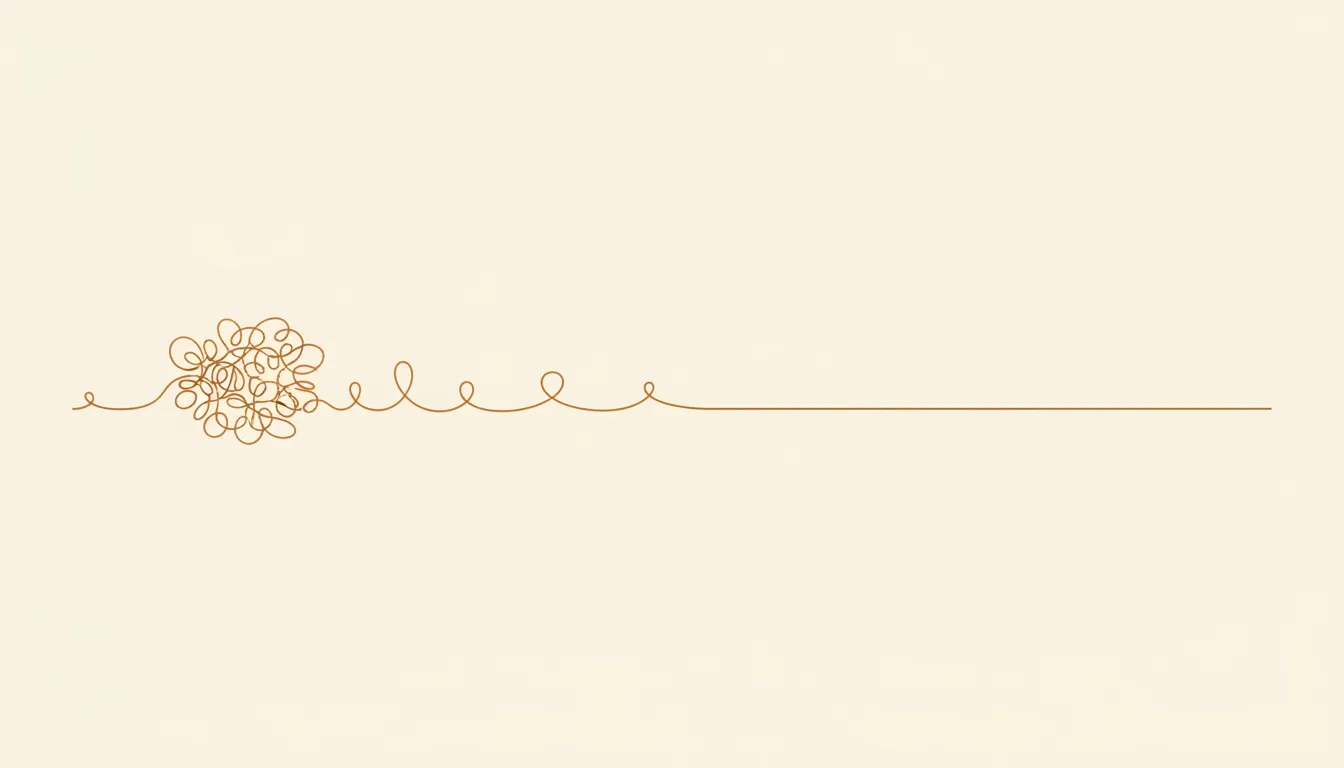
The loop usually looks like this:
- Anxiety rises.
- You use porn to escape the feeling.
- The feeling is interrupted briefly.
- The original problem remains.
- Shame, secrecy, lost sleep, or lost time adds more anxiety.
- The next urge feels even more urgent.
Mapping the loop makes the next step more concrete. Start by interrupting one part of the cycle before it leads back to porn.
How to test whether porn is affecting your anxiety
Do not argue with yourself in your head. Track it for two weeks.
Each time you feel an urge or use porn, write down:
- Anxiety before use, from 1 to 10
- Anxiety one hour after use, from 1 to 10
- What triggered the anxiety
- What you were avoiding
- Sleep quality that night
- Whether shame showed up afterward
Look for patterns:
- Do urges appear after social rejection, work pressure, boredom, or loneliness?
- What happens to your anxiety in the hour after use?
- Do late-night relapses predict worse anxiety the next day?
- Does abstaining for several days reduce one specific kind of anxiety?
The point is to replace vague fear with evidence.
What to do when anxiety is the trigger
Start with the body. Anxiety also has a physical component.
Use a reset that takes less than two minutes:
- Splash cold water on your face
- Walk outside without your phone
- Do 20 squats or push-ups
- Exhale slowly for twice as long as you inhale
- Put both feet on the floor and name five things you can see
Then delay the decision. Tell yourself: "I can decide in ten minutes." During those ten minutes, use the urge surfing technique or one of the physical resets that interrupt urges.
After the intensity drops, ask one question:
What am I avoiding right now?
Maybe it is a message, a task, a lonely evening, a fear about your relationship, or a feeling you do not want to name. Take the smallest honest action toward that thing. Send one sentence. Open the document. Take a shower. Put the phone in another room. Text someone safe.
Small actions help because they reduce the amount of avoidance left after the urge passes. If this pattern keeps repeating, write the plan before the next urge: the first physical reset, the ten-minute delay, and the smallest action toward the thing you are avoiding.
When to get help
If anxiety is affecting your work, sleep, relationships, or ability to function, get support beyond articles and tracking. Porn recovery can lower one source of distress. Anxiety treatment may still be needed.
Consider professional help if you deal with:
- Panic attacks
- Obsessive checking or intrusive sexual fears
- Trauma memories
- Severe social anxiety
- Depression alongside anxiety
- Repeated failed attempts to stop despite consequences
Our guide to talking to a therapist about porn can help you bring it up without overexplaining. If depression is also part of the pattern, read Porn addiction and depression.
The point is the loop
The question "does porn cause anxiety?" can keep you stuck if you use it to search for one perfect answer.
A better question is: what happens to my anxiety before, during, and after porn?
If porn keeps showing up after stress and leaves fear, shame, secrecy, or avoidance behind, then it is contributing to your anxiety. That is enough to take it seriously. You do not need to prove that porn caused everything before you start changing the loop.