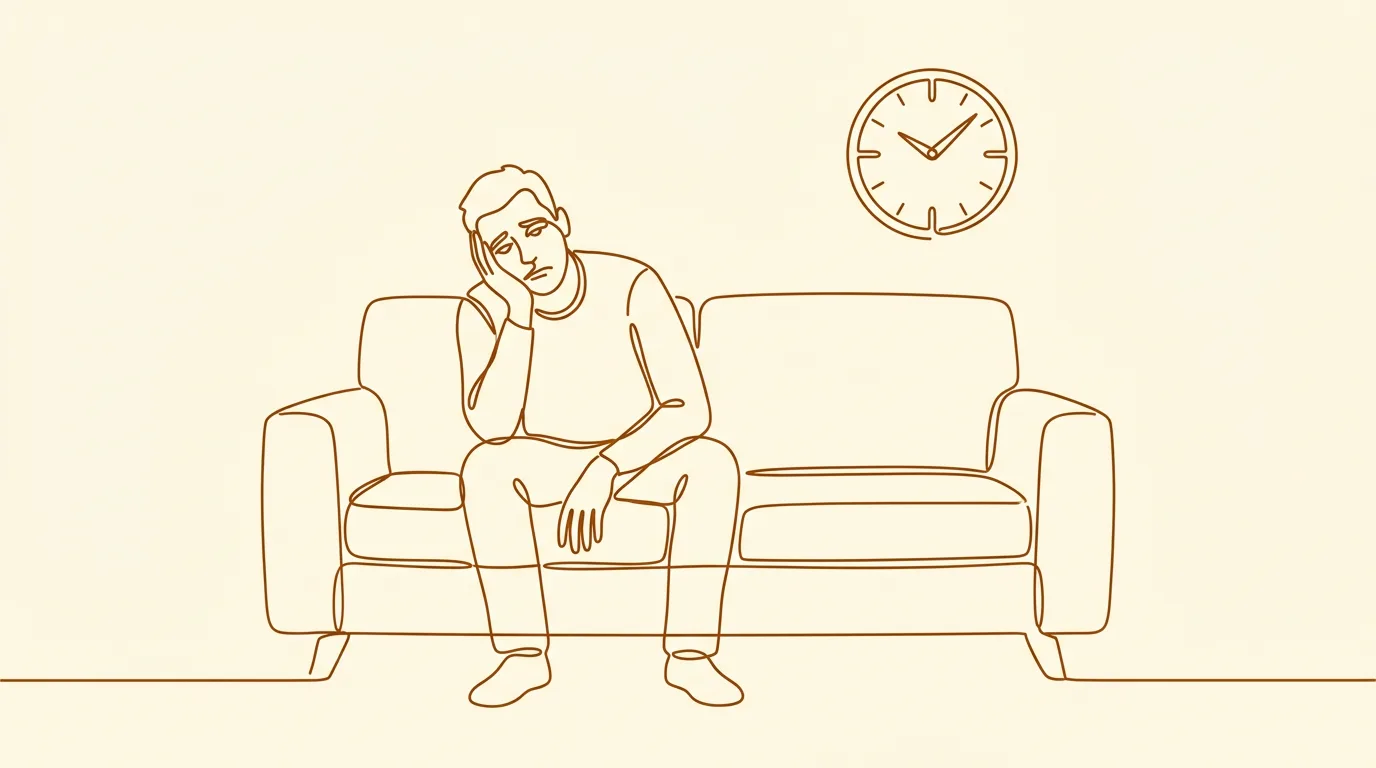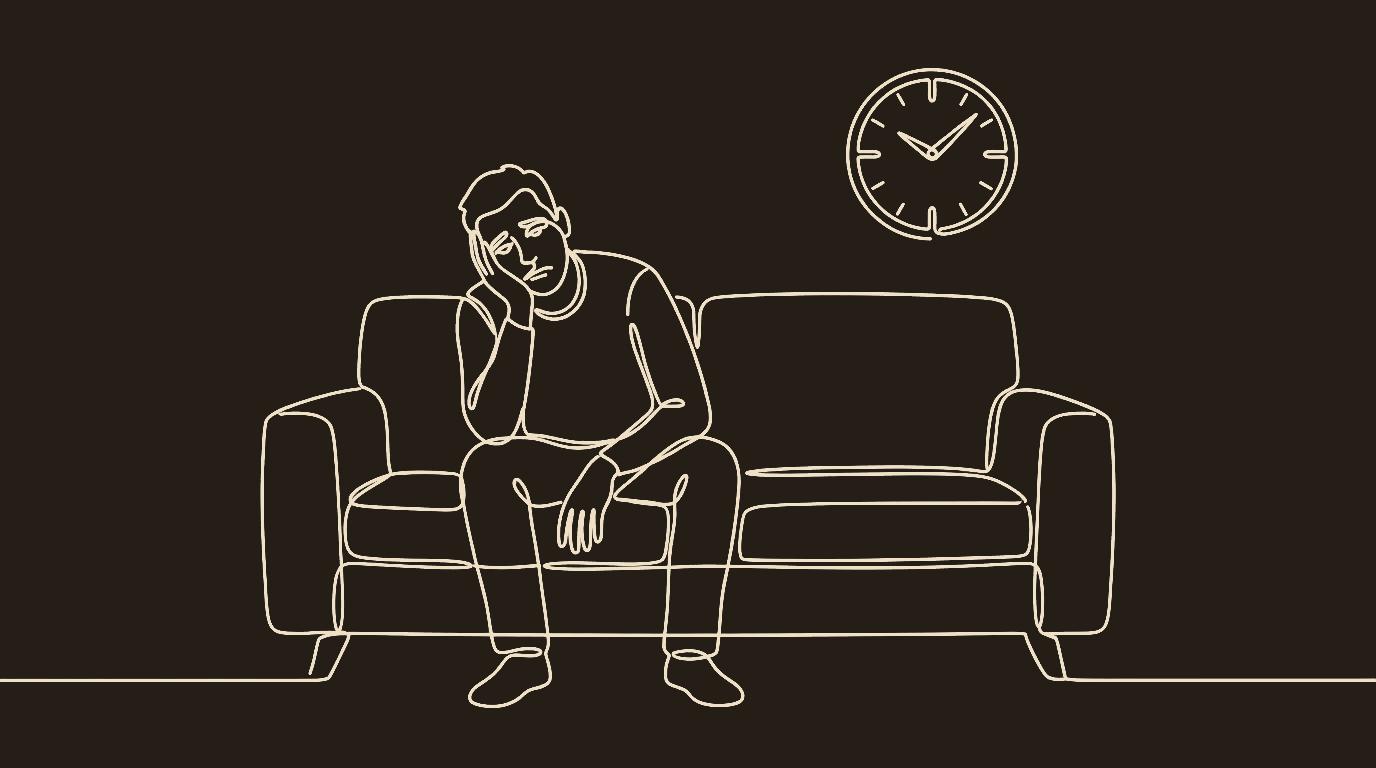
Compulsive porn use and depression can overlap in a way that makes both harder to address. Low mood can make porn feel like one of the few available sources of relief. Porn use can then leave you more isolated, ashamed, tired, or discouraged afterward.
That loop is difficult, but it is also understandable. The goal is to see where the two problems overlap so the plan does not treat one while leaving the other untouched.
Key takeaways
- Porn and depression can reinforce each other: low mood can drive use, and use can deepen shame, isolation, poor sleep, and low motivation.
- If both are present, the recovery plan should include support for mood and practical barriers around porn.
- Daily movement, consistent sleep, social contact, and morning light can support both problems at once.
- A short mood and behavior log can show which situations connect low mood, urges, sleep, and access.
- If depression is persistent, severe, or includes thoughts of self-harm, professional support matters.
The bidirectional relationship
Research increasingly shows that the link between porn and depression can run both directions. Depressive symptoms may make porn more appealing as a form of escape, and compulsive use may worsen mood through shame, avoidance, sleep disruption, and reduced engagement with daily life. A 2021 cross-sectional study of U.S. university students found that compulsive pornography use significantly predicted depression, anxiety, and stress, with behaviors like using porn to escape negative emotions and neglecting obligations being the strongest predictors of depressive symptoms.
How depression drives porn use
Depression affects more than mood. It can flatten motivation, drain energy, narrow attention, and make ordinary effort feel unusually heavy. In that state, a fast source of pleasure or relief can become more appealing.
Porn is fast, available, and requires little effort. You do not have to leave the house, talk to anyone, or organize much of anything. During a low mood, that accessibility can turn porn into an easy default.
Common patterns:
- Numbing: Using porn mainly to stop feeling, to check out from sadness, emptiness, or dread
- Self-medication: The stimulation temporarily lifts the flat mood, creating a brief window where something feels different
- Avoidance: Porn becomes a way to dodge the things depression makes hard: socializing, working, exercising, dealing with life
- Sleep disruption: Late-night use becomes a way to avoid lying in bed with your thoughts
How porn worsens depression
The relief is temporary, but the consequences compound:
- Reward desensitization: Repeated high-intensity stimulation can desensitize your reward system. Over time, everyday pleasures such as food, exercise, and socializing may feel flatter, which can worsen low mood.
- Shame and isolation: Post-use shame can deepen depressive symptoms. The gap between your intentions and the behavior can make the next repair step harder to start.
- Social withdrawal: Compulsive porn use tends to replace social activity. You cancel plans, stay home, avoid intimacy. Isolation is one of the strongest accelerants of depression.
- Sleep disruption: Late-night use wrecks sleep quality. Poor sleep is both a symptom and a cause of depression.
- Erosion of self-efficacy: Each failed attempt to quit reinforces the belief that you can't change. That helplessness is a core feature of depression.
Why both problems need attention
Many people focus on one side because it seems simpler. They try to quit porn without addressing the depression, and low mood keeps making escape feel necessary. Or they treat depression with medication or therapy but avoid talking about porn, so shame, secrecy, and late-night access keep affecting sleep and mood.
If you only quit porn, you may remove a coping mechanism before another support is ready. The low mood that porn was masking can feel louder, especially at night or during isolation.
If you only treat the depression, the compulsive behavior may keep generating shame, disrupting sleep, and reinforcing avoidance, all of which can work against therapy or medication.
The plan does not need to solve both perfectly. It needs to include both from the start.
How to address both at the same time
Step 1: name both parts of the pattern
Many people minimize one side of the pattern. "I'm just a little down" or "I don't really have a porn problem, I'm just stressed." If both are present, name both to yourself first, then to a professional if you can.
Step 2: talk to a professional who understands both
A therapist who specializes in compulsive sexual behavior should also screen for depression and anxiety. If anxiety is part of the pattern, our guide to porn and anxiety explains that loop separately. If you're already seeing someone for depression, bring up the porn use. If you haven't started therapy, look for someone who can hold both issues. Our guide on talking to a therapist about porn walks through how to find the right person and what to say.
If medication is on the table, discuss it openly. SSRIs and other antidepressants can help some people stabilize mood and, in some cases, reduce compulsive urges as a side effect. They can also affect libido in ways that complicate recovery. A psychiatrist familiar with both issues can help you weigh those tradeoffs.
Step 3: build basic habits that can help with both
Certain daily practices improve both depression and compulsive behavior simultaneously:
Exercise. Even 20 minutes of walking can help. Exercise is one of the most consistently supported interventions for mild to moderate depression, and it can also support the reward system that porn has affected. It does not need to be intense. It needs to be repeatable.
Sleep hygiene. Depression and porn use both wreck sleep, and poor sleep worsens both. Set a consistent bedtime. Keep screens out of the bedroom; this also removes the most common trigger environment. If you can't sleep, get up and do something boring in another room.
Social connection. Even small amounts can matter: a text to a friend, a short phone call, or showing up to something you would normally skip. Depression often pushes toward isolation, and isolation makes porn easier to use privately.
Sunlight and outdoors. Morning light exposure can help regulate circadian rhythm. It also gets you out of the environment where you usually use.
Step 4: identify the overlap triggers
Certain situations are high risk for both depression and porn use. Map yours:
- Late-night alone time: Low mood + high access = danger zone
- Rejection or conflict: Emotional pain triggers both withdrawal and escape behavior
- Unstructured weekends: No plan + low energy = drift toward old patterns
- Work stress or failure: Feeling inadequate feeds both depression and the need to numb
- Hangovers or poor physical states: Your defenses are lowest when your body feels bad
Once you know the overlaps, you can prepare for them specifically. Not with vague intentions, but with concrete plans: "When it's Sunday afternoon and I feel low, I'll go for a walk to the park before deciding what to do next."
Step 5: track how mood and porn use affect each other
Keep a simple log, even just a few words each day:
- Mood (1–10)
- Porn use (yes/no)
- Sleep quality
- Exercise (yes/no)
- Notable triggers
After two weeks, patterns often become easier to see. You may notice whether low mood follows use, whether exercise days are different, or whether certain times of day are consistently more risky.
What recovery looks like when both are present
Recovery can be slower when depression is present. Porn recovery is already uneven; depression can add more low-energy days, more discouragement, and more moments when change feels out of reach.
But it also means that progress on either front helps the other. A week without porn improves your mood. An improvement in mood reduces the pull toward porn. The same feedback loop that trapped you can start working in your favor.
Be realistic about the timeline. If you are dealing with clinical depression, medication or other professional treatment may be needed before the behavioral work becomes more manageable.
If you feel hopeless, unsafe, or unable to function, treat that as a reason to seek help quickly. Depression can make the future feel fixed even when the situation can change.
Two connected problems can be treated
The combination of porn addiction and depression can feel personal and fixed. It is better understood as two connected problems that can each respond to support, structure, and treatment.
You do not have to solve both today. Start with the next small action: a walk, a phone call, a journaling prompt during an urge, or a therapy consultation.
The cycle changes through repeated small interruptions, especially when the plan supports both mood and behavior.