When a porn urge is active, attention can narrow quickly. The next click, the phone, or the old routine can feel more available than the reason you wanted to stop.
Urge surfing gives you a short way to stay with the experience without turning it into porn use. You observe the urge as a set of sensations, thoughts, and intensity changes, then move into a safer next action once the peak has softened.
This guide walks through the technique step by step. For the broader context on how urges work and what triggers them, read the complete guide to urges and triggers.
Key takeaways
- Urge surfing means observing the urge as body sensations, thoughts, and intensity changes while you keep the behavior paused
- The full protocol takes about 10 minutes: name and ground, interrupt physically, observe the urge, then log and transition
- A physical reset first can make the urge easier to observe if the intensity is too high
- The main skill is noticing that the urge changes without debating every thought it brings up
- Ending with a short log and a transition activity makes the next step clear
What urge surfing actually is
Urge surfing comes from mindfulness-based relapse prevention. The core idea is to observe the urge while it runs its course, rather than immediately fighting it or acting on it. A study on the technique with college smokers found that a brief mindfulness-based urge surfing instruction led to fewer cigarettes smoked over a 7-day follow-up by changing how participants responded to cravings.
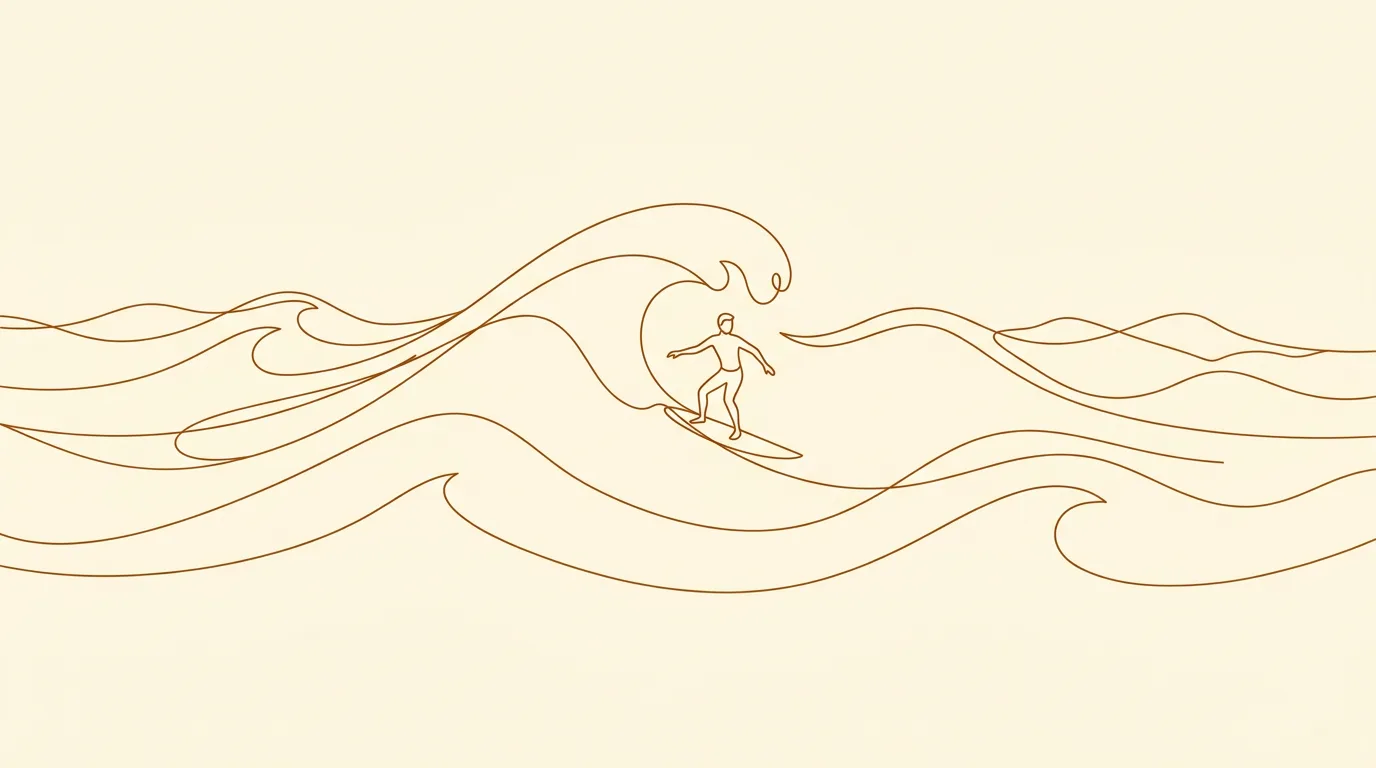
The wave metaphor is useful because an urge usually moves. It rises, holds, shifts, and fades. You are not trying to make the wave disappear by force. You are giving yourself enough time to notice the movement before choosing what to do next.
Many urges, at full intensity, shift within 10 to 20 minutes. The leading edge may last a few minutes. The peak may last several minutes. Then the intensity often begins to fade. If you can stay with the urge through its strongest phase, the next decision is usually easier.
The 10-minute urge surfing protocol
This is a minute-by-minute guide for the next time an urge hits. You can follow it exactly, or adapt it to what works for you.
Minutes 0-1: name and ground
The first step is to interrupt the automatic sequence. When an urge starts, the mind may move quickly into fantasy, justification, or bargaining. Naming the urge helps you step back from that sequence.
Say it out loud or write it down:
"I'm having an urge right now. It was triggered by ________."
Fill in the blank as specifically as you can: "I'm bored and it's 11 PM." "I just got a rejection text." "I'm stressed about tomorrow." "I'm lying in bed with my phone."
Then ground yourself physically:
- Feel your feet on the floor, or your back against the chair
- Press your palms together for 5 seconds
- Look around the room and name 3 things you can see
This takes about 60 seconds and shifts you from automatic mode into observation.
Minutes 1-3: do a physical interrupt
Before you start observing the urge, lower the intensity with a quick physical reset, or open the SOS button for a guided 60-second breathing exercise. This can make the urge easier to observe.
Pick one:
- Splash cold water on your face and wrists
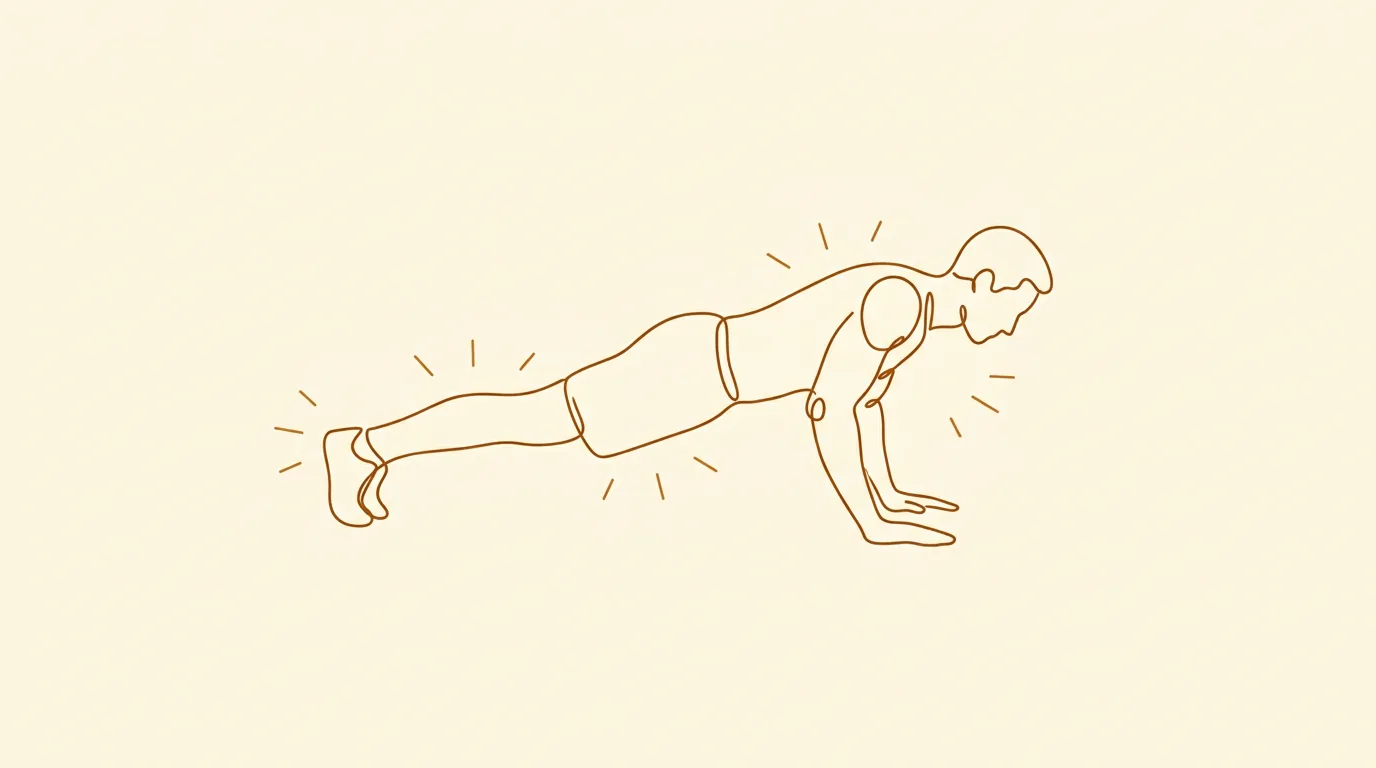
- Do 15 to 20 push-ups or air squats
- Step outside for 60 seconds of cold or fresh air
- Hold an ice cube in your hand until it gets uncomfortable
The physical reset may not remove the urge. It can lower the intensity enough for the next part of the protocol to be possible.
Minutes 3-7: surf the wave
This is the core of the technique. You are going to observe the urge directly: where it is in the body, what thoughts come with it, and how the intensity changes over a few minutes.
Step 1: Find the urge in your body.
Close your eyes and scan your body. Where do you feel the craving? Common locations:
- Tension in the chest or stomach
- A buzzing or restless feeling in the limbs
- Heat in the face or neck
- A pulling sensation in the groin
- Tightness in the jaw or shoulders
Do not try to change what you find. Locate it and name it: "I feel tension in my chest and restlessness in my legs."
Step 2: Breathe with it.
Use slow, deliberate breathing while keeping your attention on the physical sensation:
- Inhale for 4 counts through your nose
- Hold for 2 counts
- Exhale for 6 counts through your mouth
- Repeat
As you breathe, bring attention to the part of your body where you feel the urge. The aim is to acknowledge the sensation and give it time to shift.
Step 3: Watch the intensity change.
As you observe and breathe, notice what happens to the intensity. It may spike for a moment, then dip. It may move to a different part of your body. It may change from a sharp craving into a dull ache.
This is the evidence you are looking for: the urge is moving. It is changing. You can wait for the intensity to shift before deciding what to do next.
Step 4: Notice the thoughts without following them.
While you observe, your mind may generate thoughts:
- "Just this once won't hurt."
- "You've already failed, so what's the point?"
- "You deserve a release."
- "You'll feel better after."
- "Nobody will know."
These thoughts are part of the urge. Notice them the same way you noticed the physical sensations: label them and return to the body. "That's a 'just once' thought." "That's a 'you deserve it' thought."
The task is to notice them as thoughts and come back to the protocol.
Minutes 7-10: transition out
By now, the peak may have passed. The urge may still be present, but it is often softer and less commanding than when it started.
Write for 2 minutes. Answer quickly:
- What triggered this urge?
- What did I notice in my body?
- What thoughts showed up?
- What is the intensity now compared to when it started? Rate it 1 to 10.
This gives the experience a clear ending and builds a record you can review later to spot patterns.
Choose a transition activity. Move toward something that holds your attention and is not associated with porn use:
- Go to a different room and start a specific task
- Call or text someone
- Read a physical book
- Go for a walk
The transition bridges you from riding out the urge back into the rest of the day. You do not have to feel fully normal before moving on. Start the next useful action.
Why urge surfing gets easier
The first few times you try this, it may feel awkward. The urge may feel too intense to observe cleanly. That is normal for a new skill.
With practice, a few things can change:
- You learn that urges move. Sitting through an urge gives you direct evidence that the intensity can rise and fall without porn.
- The response becomes familiar. The sequence of standing up, breathing, observing, logging, and transitioning becomes easier to reach.
- The old route can become less automatic. Repeating a different response gives the brain another option when the urge appears.
- Your tolerance for discomfort can grow. Urge surfing is also practice in staying with discomfort long enough to choose a useful action.
Common questions about urge surfing
What if the urge comes back after 10 minutes?
Start again, or use a shorter version of the protocol. Some urges come in waves: a break, then another rise. The next round may be less intense, or it may point to a trigger that still needs attention.
What if I can't focus enough to observe?
Use a physical reset first. If the urge is too strong to observe, do something physical: cold water, push-ups, a sprint, or leaving the room. Then try observation once the intensity is lower.
Does urge surfing work for nighttime urges?
Yes, but add the step of getting out of bed and turning on a light. Urge surfing in the dark, in bed, is harder because the environment may be part of the trigger. For a full nighttime protocol, see Late-night urges.
What if I already started acting on the urge?
Stop where you are if you can. Close the tab, put the phone down, and start the protocol from the beginning or from the physical interrupt step. Stopping mid-pattern is harder than catching the urge early, but it is still a protective action.
This matters especially with gooning-style porn sessions, where edging and novelty can stretch one urge into a much longer session.
Is urge surfing just distraction?
They are different. Distraction turns attention away from the urge. Urge surfing gives the urge structured attention so you can notice what changes without acting on it. Both can be useful, but urge surfing is especially helpful when you want to understand the pattern.
Making urge surfing part of your recovery plan
Urge surfing works best as one tool in a larger recovery toolkit. Combine it with:
- Trigger awareness: Know your patterns so you can see urges coming. Read Urges and triggers: the complete guide.
- Environmental design: Reduce the conditions that create urges: phone curfews, evening routines, and less isolation during high-risk periods.
- Emotional processing: If the urge is driven by loneliness, rejection, or emotional pain, surfing the urge buys time to address the real need.
- Shame management: If a relapse happens, respond with information and structure. See Quitting porn without shame.
Urge surfing is small on purpose. It gives you something to do during the period when the old behavior usually starts.
Start with the next urge: stand up, name it, lower the intensity, observe, then transition.