Porn addiction usually builds gradually: one session, then another, then a routine that starts to feel automatic. Often, people only notice the seriousness of it when they try to stop and cannot follow through.
The signs of porn addiction are not always dramatic. They can be quiet, internal, and easy to explain away. A clinical assessment therefore looks at the wider pattern of control, impairment, duration, and distress. This article lays out the main patterns so you can assess where you stand without turning the question into shame or panic.
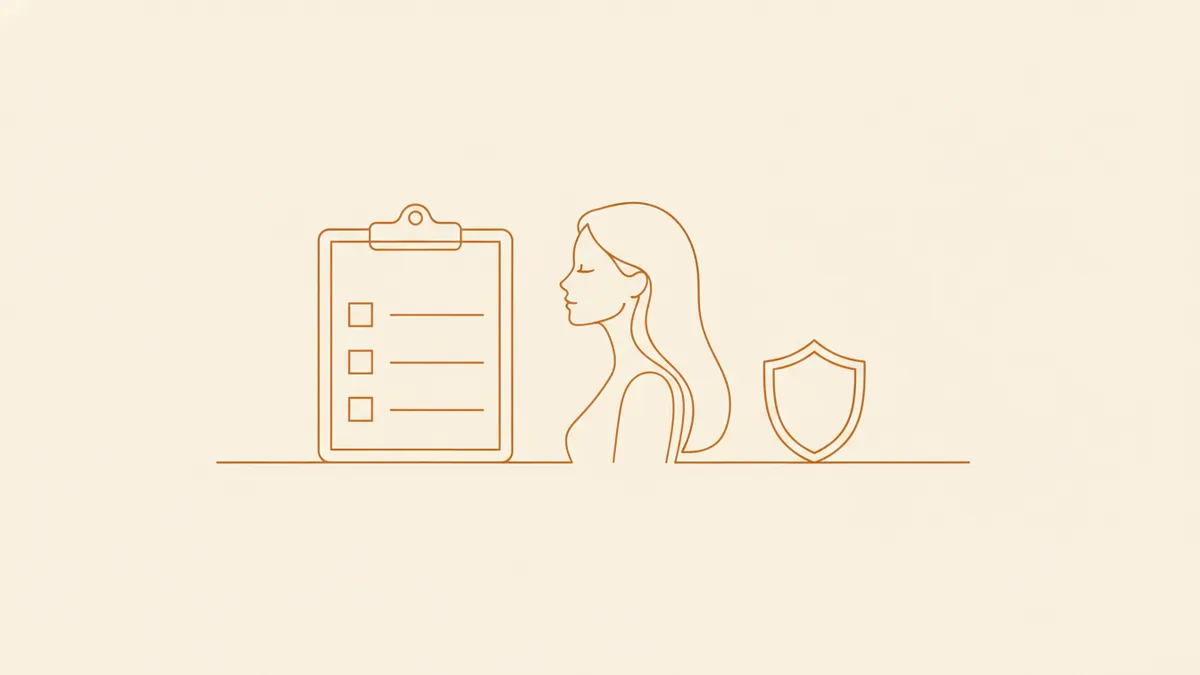
Women can use the same core signs, with extra attention to secrecy, emotional triggers, and shame; the more specific guide to porn addiction symptoms in women breaks that pattern down.
Key takeaways
- Repeated loss of control matters: deciding to stop or cut back, then returning anyway
- Escalation in time, frequency, or content intensity can point to tolerance and a stronger pull toward novelty
- Using porn to manage stress, boredom, loneliness, or anxiety can turn it from entertainment into a coping mechanism
- Secrecy, relationship strain, neglected responsibilities, and feeling worse afterward are signs that the behavior is affecting daily life
- Even when only several items apply, recurring signs are worth examining
1. You can't stop when you decide to
Start with the pattern of deciding to stop or cut back, meaning it, and returning within days or sometimes hours.
A manageable habit usually responds to limits. In a compulsive pattern, the same decision keeps collapsing despite real intention.
2. Your use has escalated
Escalation can mean several things:
- More time. Sessions are getting longer. You're spending more hours per week than you used to.
- More frequency. Daily use has become multiple times per day.
- More intensity. The content has shifted toward more extreme, taboo, or shocking material. What used to be enough no longer works.
These patterns can point to tolerance: the same material no longer produces the same response, so the search moves toward more novelty or intensity. The Problematic Pornography Consumption Scale, a validated screening tool developed by Bothe et al. (2018), uses markers such as tolerance, escalation, and loss of control to distinguish between nonproblematic and problematic pornography use.
For a deep dive into why this happens, see Porn escalation: why your tastes change.
3. You use porn to cope with emotions
Pay attention to what you feel right before you use porn. If the answer is usually stress, boredom, loneliness, anxiety, sadness, or anger, porn may have become an emotional regulation tool.
Using a behavior compulsively to escape uncomfortable feelings is a common addiction pattern. The behavior gives short-term relief, but it does not address the feeling underneath. Over time, other options (calling a friend, exercising, journaling, or sitting with discomfort) may get used less often, which makes porn feel like the default response.
4. You feel withdrawal symptoms when you stop
Try going a week without porn and pay attention to what happens in your body and mind:
- Irritability or a short temper
- Increased anxiety
- Restlessness: difficulty sitting still or focusing
- Insomnia or disrupted sleep
- Mood swings or depressive episodes
- Intrusive thoughts or cravings that feel physical
These can be withdrawal-like symptoms. They may happen because your brain and body have adapted to a repeated high-reward pattern and are adjusting without it. Withdrawal symptoms are one clue among several, and they matter more when they appear alongside loss of control, escalation, and negative consequences. The article on porn withdrawal symptoms explains where that language helps and where it has limits.
5. You neglect responsibilities
Porn is taking time from other parts of your life:
- You're staying up too late and dragging through the next day.
- Work deadlines slip because you lost an hour (or more) to browsing.
- You cancel or skip plans to have time alone with the screen.
- Household responsibilities pile up.
- You're physically present for commitments but mentally checked out.
When a behavior starts displacing the things that matter to you (work, health, relationships, sleep), it has moved beyond recreation.
6. You keep it secret and lie about it
Secrecy goes beyond normal privacy. You're actively concealing your behavior:
- Clearing browser history as a routine
- Using incognito mode or hidden apps
- Lying about what you were doing when someone asks
- Feeling a spike of panic when your partner picks up your phone
- Creating elaborate schedules to ensure you're alone
The secrecy itself becomes a burden, and the lying adds another layer of stress. If you are structuring your life around hiding a behavior, it has probably outgrown "casual."
7. You feel worse after watching
Casual pleasures leave you feeling fine or mildly satisfied. Addictive behavior follows a different pattern:
Before: tension, craving, anticipation During: relief, engagement, dissociation After: guilt, shame, emptiness, self-disgust
If your porn use consistently leaves you feeling worse than before you started, pay attention to that pattern. Relief during the session followed by guilt, emptiness, or self-disgust afterward is one way compulsive use keeps itself going.
8. Your sexual response has changed
Porn addiction frequently affects sexual function:
- Difficulty getting or maintaining erections with a real partner
- Needing to mentally replay porn during sex
- Reduced sensitivity to physical touch
- Less interest in real sexual encounters
- Delayed ejaculation or inability to finish without porn
These changes can happen when arousal becomes strongly conditioned around screen-based stimulation, novelty, and control. If you are experiencing this pattern, read Porn-induced erectile dysfunction for a thorough explanation.
9. Your relationships are suffering
The impact might be obvious or subtle:
- Your partner has expressed feeling disconnected or unwanted
- You're less emotionally available to the people close to you
- Intimacy (emotional or physical) feels forced or difficult
- You're isolating more often than you used to
Porn addiction affects relationships through withdrawal, secrecy, and altered intimacy patterns. For a full breakdown, see How porn affects your relationships.
10. You've lost interest in things you used to enjoy
When your brain's reward system is recalibrated around a supernormal stimulus like internet porn, ordinary rewards lose their pull. You might notice:
- Hobbies feel boring or pointless
- Socializing feels draining
- Exercise feels harder to motivate for
- Goals that once excited you now feel flat
This kind of anhedonia (a reduced ability to feel pleasure from normal activities) can show up when the reward system has been shaped around a highly stimulating routine. Ordinary activities may feel flat for a while, especially early in recovery.
11. You watch in risky situations
Despite knowing the consequences, you watch porn:
- At work
- With family members in the next room
- On public transit
- In situations where discovery could damage your reputation, career, or relationships
Risk-taking around porn suggests the urge is overriding normal judgment. The consequences may be clear, but in the moment they lose weight against the pull to continue.
12. You feel trapped
The feeling itself matters too: you feel like you cannot stop. You may have tried different approaches, made promises, set up barriers, and still returned to the same pattern. That repeated failure to follow through is worth taking seriously.
Feeling trapped by a behavior you once chose freely is one common experience of addiction. The pattern may require structure and support, while still being changeable.
What to do with these signs
If several of these patterns resonate, resist two temptations:
Minimizing. The instinct to downplay the pattern can be strong. If several signs fit, take the pattern at face value.
Catastrophizing. Catastrophizing turns recognition into panic. Several signs are a reason to build a real response while keeping the situation workable.
The next steps are concrete:
-
Assess the pattern honestly. Am I addicted to porn? takes this self-assessment further.
-
Understand the mechanism. Knowing why these patterns exist (the reward system, tolerance, triggers, and repetition) can reduce shame and give you a framework. How porn rewires your brain lays it out.
-
Look at the full picture. Understanding porn addiction covers what addiction actually is, why it escalates, and what recovery involves, from triggers to treatment.
-
Tell someone. Start with one safe person: a friend, a therapist, or a support community. Secrecy makes the pattern easier to repeat. Letting one safe person know can make it less isolated.
If several of these patterns are present, it is worth responding directly. Start with an honest assessment, then build a plan that changes access, handles triggers, and brings in support.