Porn withdrawal symptoms are one of the most common things people search after quitting porn. The first stretch can feel strange: cravings spike, sleep gets uneven, your mood swings, and the day suddenly has empty space that porn used to fill.
The clearest wording is withdrawal-like symptoms. Clinicians usually talk about compulsive sexual behavior disorder or problematic pornography use, not a separate diagnosis called porn withdrawal. Still, people do report real discomfort after stopping, and researchers have started studying those reports more directly.
Use this guide as a grounded map. It separates what people commonly feel from what the research can prove so far, then gives you practical steps for the first rough stretch.
Key takeaways
- Porn withdrawal symptoms are better described as withdrawal-like symptoms because the clinical evidence is still developing
- Common reports include cravings, intrusive sexual thoughts, irritability, mood changes, restlessness, sleep problems, anxiety, and temporary flatline symptoms
- A large survey found withdrawal-like reports were associated with more severe compulsive sexual behavior and problematic porn use, while a 7-day abstinence trial did not find broad withdrawal effects in its full sample
- The first few days to two weeks are often the most volatile, but research has not proven one fixed timeline
- The best early response is practical: reduce access, protect sleep, plan for urges, stay connected, and get help if symptoms become severe or unsafe
What "porn withdrawal" means
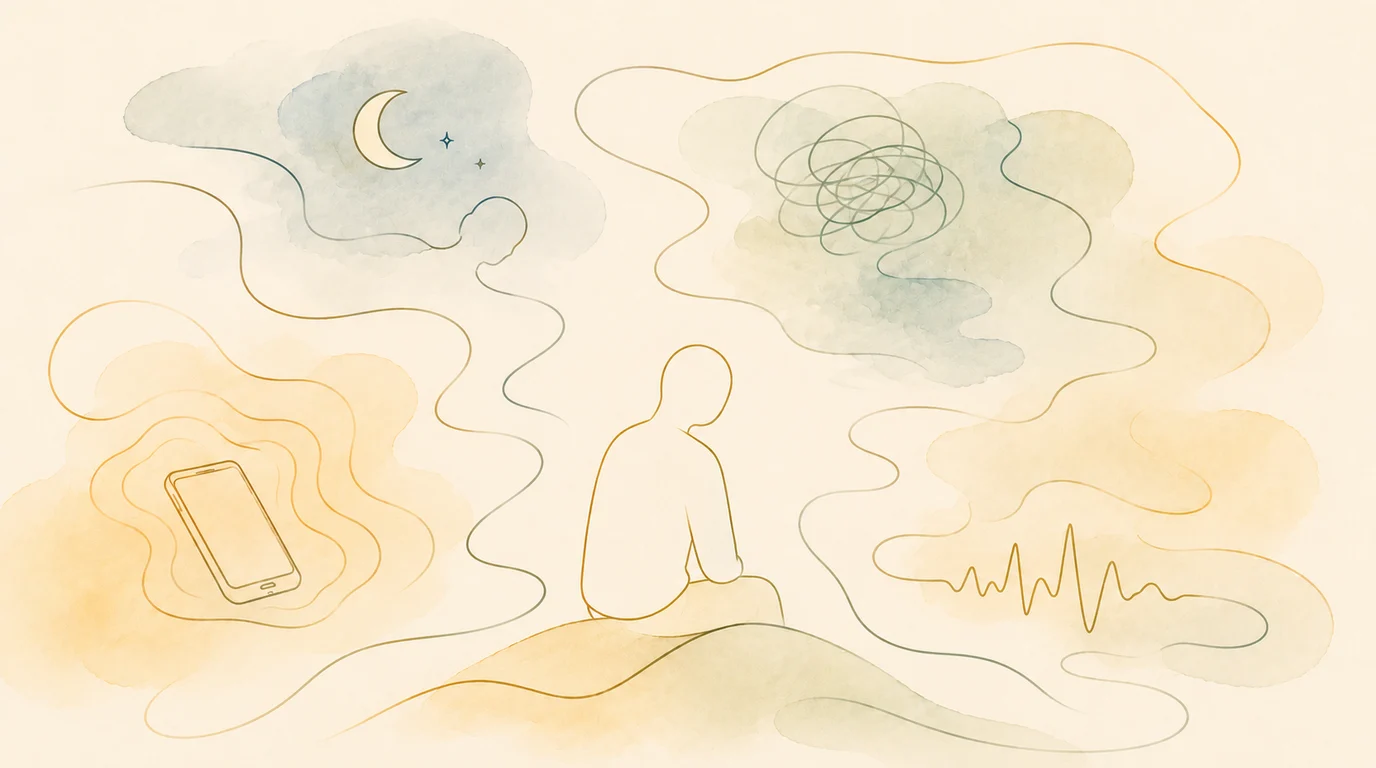
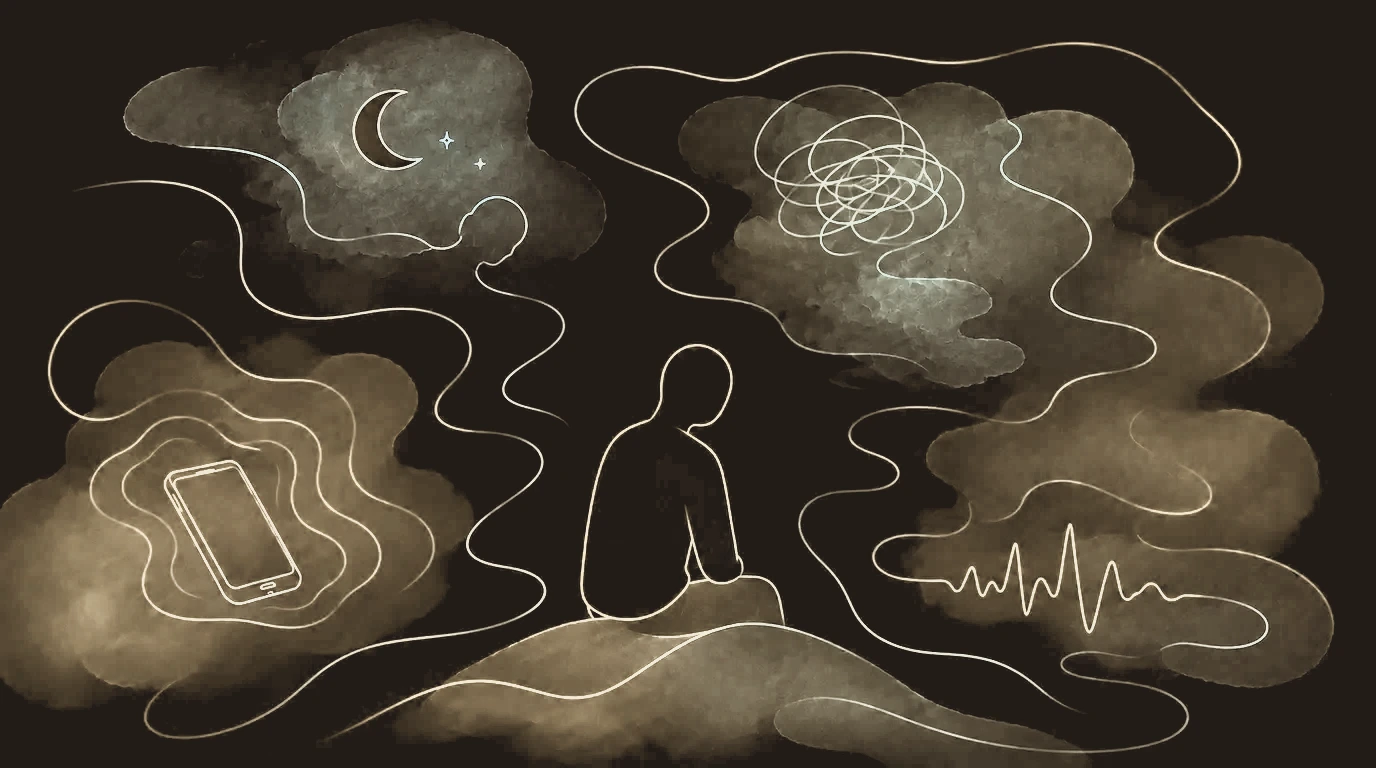
When people say "porn withdrawal," they usually mean the discomfort that shows up after stopping or sharply reducing porn use. That can include cravings, irritability, anxiety, restlessness, low mood, sleep disruption, brain fog, or a sudden drop in libido.
Researchers are more cautious with the label. A preregistered nationally representative study of 1,541 adults found that self-reported withdrawal symptoms and tolerance were associated with the severity of compulsive sexual behavior disorder and problematic pornography use, and the most common reported symptoms included difficult-to-stop sexual thoughts, increased arousal, difficult-to-control sexual desire, irritability, mood changes, and sleep problems (Lewczuk et al., 2022).
That matters because it shows that the experience is not only anecdotal. It also keeps the claim measured. Withdrawal-like symptoms appear more relevant when porn use has become compulsive, hard to control, or tied to negative consequences. A person who watches occasionally and stops may not experience the same thing as someone whose day, mood, sleep, and coping patterns have been organized around porn for years.
If you are still trying to decide whether the wider pattern is addictive or just a habit, start with Signs of porn addiction and Understanding porn addiction. This article focuses on what can happen after you stop.
Common symptoms people report
Symptoms vary a lot. Some people feel a sharp first week. Some feel mainly bored or restless. Some notice very little beyond stronger urges at their usual porn times.
The most common withdrawal-like symptoms fall into a few groups.
Cravings and intrusive sexual thoughts
Cravings can feel physical: a pull toward the phone, a restless pressure, or a sense that you need relief now. In the 2022 survey above, difficult-to-stop sexual thoughts were among the most common reported withdrawal symptoms for people meeting compulsive sexual behavior or problematic pornography use thresholds (Lewczuk et al., 2022).
This is where a plan matters. A craving is easier to handle before you are debating with it in bed, in the bathroom, or alone with a device. Use urge surfing or a physical reset before the urge becomes a negotiation.
Irritability, anxiety, and mood swings
If porn has been a regular way to change how you feel, stopping removes a familiar coping response. You may feel edgy, impatient, anxious, sad, or unusually vulnerable.
The 2022 survey found irritability, mood changes, and sleep problems among commonly reported withdrawal symptoms, especially among participants with more severe compulsive sexual behavior or problematic pornography use (Lewczuk et al., 2022). Mood changes can have several causes during recovery: stress, shame, depression, relationship conflict, and poor sleep can all overlap.
If anxiety is a major part of your pattern, use Does porn cause anxiety? to map the loop instead of guessing.
Sleep disruption
Sleep can get messy after quitting, especially if porn was part of your bedtime routine. Your body may still expect the old sequence: privacy, phone, arousal, release, sleep.
When that sequence changes, falling asleep may feel harder for a while. This is less mysterious when you treat it as a habit cue. The bedroom, the phone, and the late-night state all need a new pattern. Sleep and porn recovery covers this in more depth, and Late-night urges is useful if night is your main relapse window.
Low libido, numbness, and flatline
Some people hit a sudden low-libido period after the first wave of urges. They feel flat, uninterested, tired, and worried that something is broken. Recovery communities often call this the flatline.
A qualitative analysis of 104 pornography abstinence journals found that members of an online rebooting forum described abstinence as difficult but achievable with resources, and other ResetHive flatline articles cover the subset of reports involving diminished sexual desire during abstinence (Fernandez et al., 2021). The flatline is common enough to deserve a plan, but the exact biology and timeline are still uncertain. If this is your main symptom, read The flatline in porn recovery.
How long does porn withdrawal last?
There is no proven universal timeline for porn withdrawal symptoms. The best available answer is a practical range, not a medical countdown.
For many people, the first few days to two weeks are the most volatile. That is when the old routine is still fresh, access is still tempting, and the brain expects the usual stimulation at familiar times. The first 7 days of quitting porn gives a day-by-day map for that stretch.
After the first two weeks, symptoms often become more situational. Urges may show up around stress, boredom, loneliness, late nights, or a specific app. Some people then move into a flatter phase around weeks two to six, especially if low libido and low motivation become more noticeable.
Research keeps this timeline humble. A randomized controlled study of 176 regular pornography users assigned some participants to abstain for seven days and found no broad withdrawal-related effects across the full sample, although exploratory results suggested craving may rise for people with both higher problematic use and daily frequency (Fernandez et al., 2023). A 2024 paper testing mood modification, withdrawal, and sensitization in compulsive sexual behavior also reported mixed results and emphasized that withdrawal claims in this area need more empirical work (Frontiers in Psychiatry, 2024).
So the useful question is not "What exact day will this end?" A better question is: "What symptom is active today, and what support does it need?"
What the research can and cannot prove
The evidence points in two directions at once.
On one side, withdrawal-like symptoms are clearly reported by some people with more severe compulsive sexual behavior or problematic porn use. The 2022 survey gives specific symptom categories and shows associations with severity (Lewczuk et al., 2022).
On the other side, controlled abstinence research has not shown a simple, universal withdrawal pattern for all regular porn users. The 7-day trial found no broad withdrawal-related effect across its full sample (Fernandez et al., 2023). The 2024 Frontiers paper also argues that claims about withdrawal in compulsive sexual behavior have often run ahead of the direct evidence (Frontiers in Psychiatry, 2024).
That mixed picture is useful. It means your symptoms deserve attention, especially if your use was compulsive, but the article should not scare you into expecting a dramatic detox. Porn recovery is usually less like a medical withdrawal crisis and more like the removal of a powerful coping routine, reward pattern, and cue system all at once.
For the broader recovery arc, use the porn addiction recovery timeline. For the neuroscience side, use what happens to your brain when you stop watching porn.
What helps during the first two weeks
Early recovery works best when you make the next right action easy before symptoms peak.
Reduce access before the urge arrives
Block the obvious routes first: sites, apps, saved content, hidden folders, alternate accounts, and private browsing habits. Use how to block porn on your phone if the phone is the main access point.
The point is practical: give your brain more time between the cue and the behavior.
Plan for the first 10 minutes of an urge
Most urges change shape when you move. Stand up, leave the room, turn on lights, splash cold water on your face, walk outside, or do a short breathing reset. The first goal is to interrupt the automatic path.
If you have the ResetHive progress tool set up, the SOS button can guide a quick reset and then prompt a structured urge log. That keeps the moment practical instead of vague.
Protect sleep as part of recovery
Poor sleep makes irritability, anxiety, and cravings harder to manage. Keep the phone away from the bed, use a simple wind-down routine, and avoid turning the bed into a place where you argue with urges.
Sleep may not settle immediately. A few uneven nights can happen while the old pattern is changing. If insomnia lasts several weeks or becomes severe, treat it as a real health issue and get support.
Expect difficult emotions to resurface
Porn often functions as a fast escape from stress, loneliness, boredom, rejection, or shame. When that escape route closes, those feelings may become louder.
Those stronger feelings can show that the coping layer has been removed and the underlying trigger is easier to see. Loneliness, rejection, and emotional triggers can help you work with that layer directly.
When symptoms need extra support
Some discomfort can be part of early recovery. Severe or persistent symptoms deserve more help.
Consider talking to a therapist, doctor, or trusted support person if:
- anxiety, depression, or panic feels unmanageable
- sleep problems continue for several weeks
- you feel unsafe, hopeless, or at risk of hurting yourself
- intrusive thoughts make work, school, or relationships hard to manage
- you keep relapsing after serious attempts to stop
- trauma, OCD, substance use, or relationship crisis is part of the pattern
If you are unsure how to bring it up, how to talk to a therapist about porn gives you plain language for the first appointment.
The bottom line
Porn withdrawal symptoms are real for some people, especially when porn use has been frequent, compulsive, or tied to emotional regulation. The evidence is still mixed, so the most accurate language is withdrawal-like symptoms.
Take the symptoms seriously without making them bigger than they are. Reduce access, plan for urges, protect sleep, stay connected, and track what changes over time. The first rough stretch is easier to handle when each symptom has a practical response.