Many people land on this question because something feels off. It may have been building for a while, or one specific incident may have made it harder to ignore: a missed deadline, a fight with your partner, or a moment of disgust after a session you did not plan to have.
The question "am I addicted to porn?" doesn't have a clean yes-or-no answer. There is no blood test or definitive threshold. Clear, recognizable patterns can show whether porn use has crossed from a choice into a compulsion.
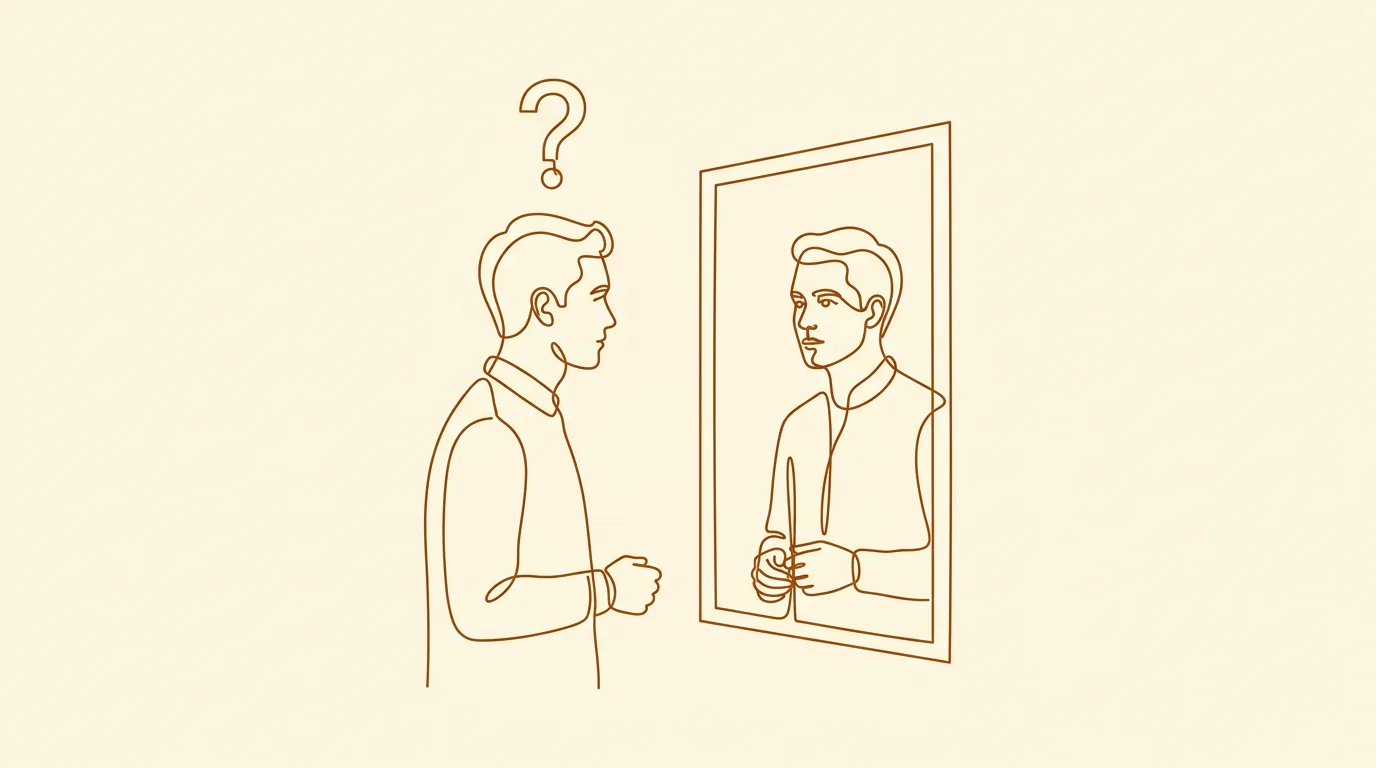
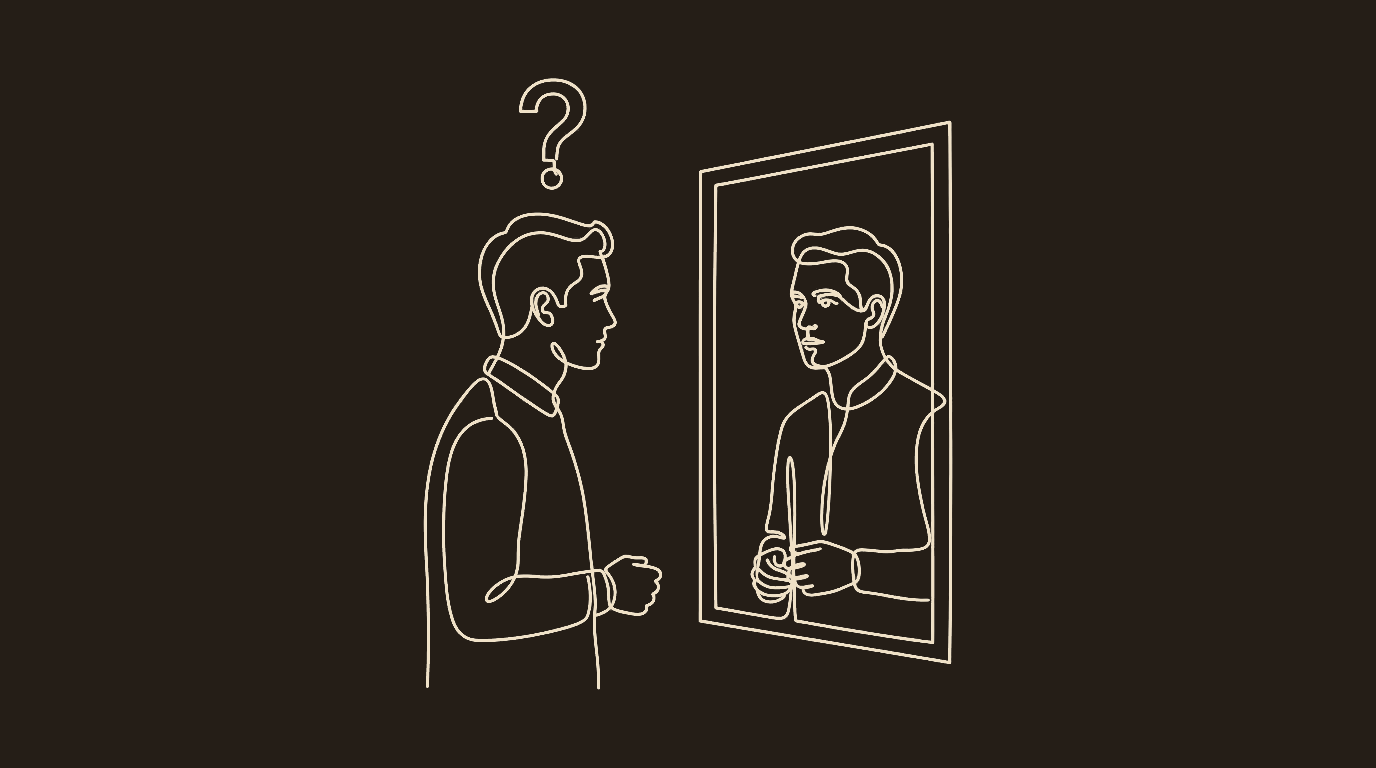
This self-assessment is a mirror rather than a formal diagnosis. It helps you look at the pattern clearly, while the diagnostic question depends on control, impairment, duration, and the source of distress.
Key takeaways
- The defining question is whether you can stop when you want to. If that decision keeps dissolving, the pattern may be more than casual use
- Using porn as your default response to stress, boredom, loneliness, or anxiety means it is functioning more like emotional regulation than entertainment
- Escalation (more time, more frequency, more extreme content) is your brain's tolerance mechanism, the same pattern seen in substance addiction
- If you feel worse after watching, your real life is taking hits, and you keep going anyway, those are the hallmarks of compulsive behavior
- Recognizing the pattern is the hardest step; most people spend months or years avoiding this honest look
The core question
The most useful question is whether you can stop when you want to.
When you decide you're going to stop or cut back, does that decision hold? Or does it dissolve within hours or days, replaced by the familiar pull back to the screen?
If you consistently can't follow through on your own intentions around porn, that's the clearest signal something has moved beyond casual use.
Patterns that point to addiction
Read through these honestly, without looking for reasons each pattern does not apply to you. Notice what resonates.
You use porn to manage emotions
Porn can become the automatic response to stress, boredom, loneliness, anxiety, or rejection. When that happens, it stops functioning like entertainment and starts functioning as a way to change or numb how you feel.
The problem with using porn as emotional regulation is that it never actually resolves the emotion. It numbs it temporarily, and when the numbness wears off, the original feeling is still there, often worse, now layered with guilt.
You've tried to stop and failed repeatedly
Repeated attempts to stop often include deleted apps, installed blockers, private promises, and sometimes promises to another person. When those efforts keep breaking down, it does not mean you are weak. It means the pull has become stronger than your conscious intention. This pattern, sincere effort followed by failure, is one of the defining features of addictive behavior.
Your use has escalated
Escalation can show up as more frequent use, longer sessions, or interest in content that would not have appealed to you a year ago.
Escalation is your brain's tolerance mechanism at work. It needs a stronger signal to feel the same effect. If your porn use has been gradually intensifying, that's a significant marker. Porn escalation: why your tastes change explains the neuroscience behind this.
You feel worse after watching, not better
A casual, non-problematic behavior generally leaves you feeling fine. Addictive behavior tends to follow a specific emotional arc: tension or craving, temporary relief during the act, then a crash: guilt, shame, emptiness, self-disgust.
If you regularly feel worse after watching porn than before, pay attention to that signal. Your own emotional response is telling you something.
Your real life is taking hits
Consequences are one of the clearest ways to tell whether the pattern is becoming harmful. Look at the areas of your life that might be affected:
- Relationships. Are you less interested in your partner? More distant? Is secrecy creating a barrier between you? Are you avoiding intimacy?
- Sexual function. Are you experiencing difficulty with arousal or performance with a real partner? Are you relying on porn fantasies during sex?
- Time and productivity. Are you staying up too late? Arriving late to things? Procrastinating on work? Spending hours you didn't intend to spend?
- Mental health. Has your mood gotten worse: more anxious, more depressed, more irritable? Do you feel a general flatness or lack of motivation?
- Self-respect. Do you feel like you're living in alignment with your values? Or does the gap between who you want to be and what you're doing keep widening?
If porn is negatively affecting one or more of these areas and you keep watching anyway, that's the "despite negative consequences" criterion that defines addictive behavior.
You keep it secret
Secrecy is different from privacy. Private means it is your business and you do not feel compelled to share it. Secret means you are actively hiding it, clearing your history, lying about your time, or feeling panic when someone picks up your phone.
The weight of that secrecy is itself a cost. It can isolate you, make intimacy harder, and create a double life that takes energy to maintain.
Twenty honest questions
Go through these slowly. Answer each one to yourself.
- Have you tried to stop or reduce your porn use and failed?
- Do you watch porn more often or for longer than you intend?
- Has the type of porn you watch become more extreme over time?
- Do you use porn to cope with stress, boredom, loneliness, or sadness?
- Do you feel irritable, anxious, or restless when you can't watch porn?
- Have you experienced sexual difficulties with a real partner that don't occur with porn?
- Do you continue watching despite feeling guilty or ashamed afterward?
- Have you lied to someone about your porn use?
- Has porn use interfered with your sleep, work, or responsibilities?
- Do you find it hard to enjoy normal activities or feel motivated without porn?
- Do you watch porn in situations where getting caught would have serious consequences?
- Have you chosen porn over spending time with a partner, friend, or family?
- Do you feel a compulsive pull to watch, even when you don't particularly want to?
- Have you noticed your mood or mental health declining alongside increased use?
- Do you spend significant time thinking about porn when you're not watching it?
- Have you missed deadlines, appointments, or commitments because of porn use?
- Do you feel like you need more novelty or intensity to get the same effect?
- Would you be embarrassed or distressed if someone saw your viewing history?
- Do you feel trapped by your porn use, like you can't imagine life without it?
- Has your porn use changed how you see yourself?
There's no scoring system here. But if you answered yes to five or more (especially questions 1, 2, 3, 5, and 13), you're looking at patterns that go beyond casual use. If you want a clinically validated screening tool, the Brief Pornography Screen (BPS) is a five-item instrument validated across multiple international samples that can help identify probable problematic pornography use.
What "addicted" actually means
You might resist the word "addicted." That's fine. The label isn't what matters. What matters is whether the behavior is compulsive, escalating, and causing harm.
Some people find the word helpful because it gives them permission to take the problem seriously. Others find it stigmatizing and prefer "compulsive use" or "problematic use." Use whatever term lets you face the pattern honestly without either minimizing it or catastrophizing.
What you call it doesn't change what you need to do about it.
What to do next
If this self-assessment confirmed what you suspected, the natural next question is: now what?
Stay steady. Recognizing the pattern is often the hardest step. Most people spend months or years avoiding this honest look. You just did it.
Learn what you're dealing with. Understanding porn addiction gives you the full picture: how it works, why it escalates, and what recovery involves.
Look at the specific impacts. If your relationships are affected, read How porn affects your relationships. If you're experiencing sexual dysfunction, see Porn-induced erectile dysfunction.
Start small. A complete plan is not required at the beginning. Our full guide to quitting porn lays out what the first weeks actually look like, and your first step can be simple: telling one person, reading one more article, or making it through one evening without defaulting to the screen.
Asking the question means you are already paying attention. That attention is where recovery starts.