Who is this nicotine addiction test for?
This free self-assessment is for adults who smoke, vape or use other nicotine products, including pouches. Its 14 questions explore cravings, automatic use, withdrawal, attempts to stop and effects on daily life. Answer about the past 30 days, or the 30 days before you stopped.
Follow the product instructions in the questions. Do not count nicotine replacement treatment used as directed. The result helps you reflect on dependence and possible next steps; it is not a diagnosis or a medication recommendation.
Signs of nicotine dependence
Nicotine dependence can involve both a strong pull to use and difficulty going without. Cigarette and e-cigarette research examines experiences such as early use after waking, cravings and difficulty stopping. Tobacco withdrawal research also describes irritability, restlessness, difficulty concentrating and sleep disturbance after stopping.
- Reaching for nicotine soon after waking or finding it difficult to delay use.
- Using automatically or more often than you planned.
- Repeatedly struggling to cut down or stop.
- Feeling uncomfortable without nicotine and returning to use for relief.
- Continuing even when use is affecting your budget, routines or wellbeing.
Research and sources: Heatherton et al., 1991; Morean et al., 2019; Hughes, 2007
Read the related guide: Signs of nicotine addiction: an honest self-assessment
How we created the test, and the role of Fagerstrom research
The Fagerstrom Test for Nicotine Dependence is an established cigarette-focused instrument. Heatherton and colleagues' revision examined questions including time to the first cigarette and cigarettes smoked per day. Those cigarette measures cannot simply be converted into vape puffs or nicotine pouches.
Research by Morean and colleagues evaluated an E-cigarette Dependence Scale in adults who vaped at least weekly. It supports examining dependence in relation to the product used. It does not establish a universal score for all nicotine products.
ResetHive wrote its own questions around dependence-related experiences across products. This is not a Fagerstrom test or an E-cigarette Dependence Scale, and it has not been independently validated. Selected answers lead to predefined guidance; AI may help interpret written answers. We do not calculate a clinical dependence score or convert different products into equivalent doses.
Research and sources: Heatherton et al., 1991; Morean et al., 2019
What your result can help you do
Use the result to identify when nicotine is hardest to delay and what has made previous attempts difficult. The product you use, how often you use it and your health history can all be useful information for a clinician or pharmacist when discussing quitting support.
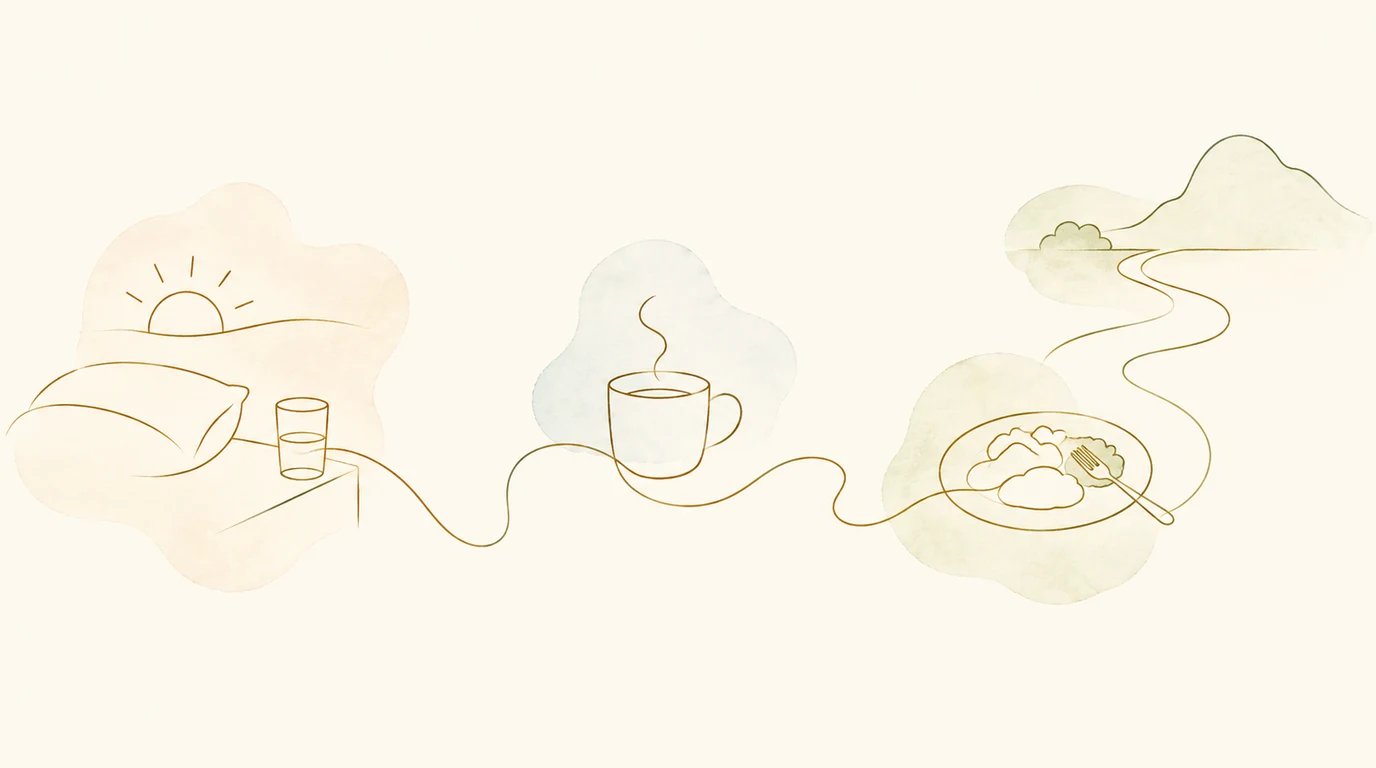
You can also start planning for a specific difficult moment, such as waking up or finishing a meal. Read about withdrawal and cravings so that you can prepare for common difficulties. An online result cannot predict exactly how quitting will feel or choose the right treatment for you.
Read the related guide: Nicotine withdrawal symptoms: timeline and peak