
When an urge appears, "do something else" is too vague. The useful starting point is the state underneath the urge: restlessness, numbness, boredom, stress, loneliness, or late-night fatigue.
A replacement works better when it fits that state. A walk may help restlessness. A text may help loneliness. A written list may help boredom. A phone outside the bedroom may help nighttime urges.
This guide gives practical alternatives to watching porn, organized by what is happening in the moment. Some addiction treatment models, including the Community Reinforcement Approach, use a similar principle: building rewarding non-addictive activities that can compete with addictive behavior.
Key takeaways
- Match the replacement to the state behind the urge: restlessness, numbness, boredom, stress, loneliness, or late-night fatigue
- Physical movement, cold water, and changing rooms can lower the intensity of an urge quickly
- Boredom, stress, and loneliness need different responses, so a single hobby list rarely covers the whole problem
- Nighttime urges need prevention, especially keeping the phone out of the bedroom
- Make the list before the urge starts, when decisions are easier
When you're physically restless
Restlessness can make an urge feel urgent before there is a clear thought attached to it. The body is activated, the room feels too small, and doing nothing gives the urge more space to grow. This is especially common in the first week of quitting.
Start with movement.
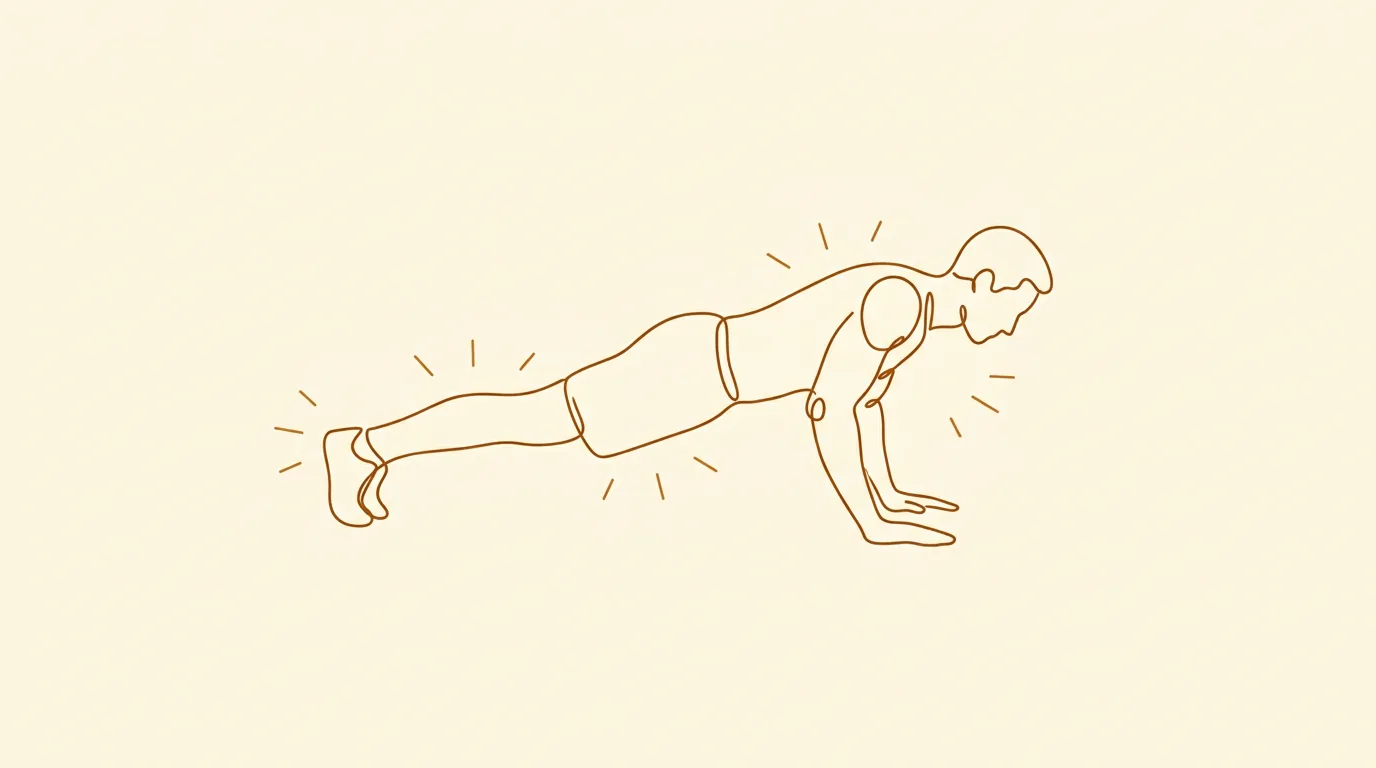
- Push-ups, squats, or burpees. Do a short set. A short burst of movement can release physical tension and make the next decision easier.
- Cold shower or cold water on your face. The sensation interrupts the loop and brings attention back to the body.
- Go for a walk or run. Leave your phone at home if possible. Movement, fresh air, and a change of setting can reduce several triggers at once.
- Stretch or do yoga. If intense exercise feels like too much, ten minutes of stretching can still redirect physical tension.
- Clean something. Wash dishes, clear a surface, organize a drawer, or vacuum. A simple physical task gives the body something concrete to do.
The first action should be small and immediate: stand up, change rooms, put your hands under cold water, or start moving. Once the body is doing something else, the urge often becomes easier to handle.
When you're emotionally numb
Sometimes porn becomes a way to create sensation when everything feels flat. The urge may show up less as desire and more as a search for stimulation, novelty, or emotional contact.
- Call or text someone. Ask how they are doing, send a simple check-in, or continue a normal conversation. The conversation can stay ordinary.
- Listen to music that actually moves you. Use headphones if you can. Pick something that brings a real emotional response instead of background noise.
- Write for ten minutes. Write what is happening, even if the answer is "nothing." Describe the day, the pressure points, or what you have been avoiding.
- Watch or read something meaningful. Choose a documentary, essay, memoir, or film that asks for attention rather than more passive browsing.
- Cook a real meal. Choosing ingredients, following steps, and eating something nourishing can help you reconnect with physical sensations.
This creates real contact with feeling, even if it is mild. Numbness often loosens when there is music, language, food, movement, or another person involved.
When you're bored
Boredom can be easy to underestimate because it can feel quiet. It creates open space, and porn can become the quickest way to fill that space when no other option is ready.
The plan is to keep a few options available before boredom arrives.
- Start a project. Learn an instrument, build something, write, draw, code, repair something, or organize a space. The activity matters less than having something ongoing to return to.
- Read a book. A physical book helps because it does not come with tabs, feeds, or private browsing.
- Play a game. Video games, board games, puzzles, chess, and word games can give focus and feedback without leading you back toward porn.
- Learn something new. A tutorial, course, language lesson, or practical skill can give boredom a direction.
- Get out of the house. A library, coffee shop, park, gym, or store changes the environment and changes the available choices.
Boredom is easier to manage when the next option is visible. Keep the book out, leave the guitar on its stand, write the errand down, or bookmark the course before the empty time appears.
When you're stressed or anxious
When stress builds, porn can become a quick relief habit. The replacement needs to lower pressure or make the stress more concrete, even while the problem itself still needs more time.
- Breathe deliberately. Try box breathing: inhale for four counts, hold for four, exhale for four, hold for four. Two minutes can help shift arousal downward.
- Write down what is stressful. Put the stress on paper in plain language. The list can reduce the mental swirl even when the problem still needs more time.
- Move your body. A walk, short workout, or stretch can give stress a physical outlet.
- Talk to someone about the actual stress. The conversation can be simple: "Work has been heavy this week" or "I am having a rough night."
- Rest if you are depleted. Fatigue makes urges harder to manage. A nap, earlier bedtime, or quiet hour may be the most useful replacement.
Stress often responds to one small step that lowers the pressure enough for the next step to become possible.
When you're lonely
Loneliness can make porn feel like connection because it offers faces, bodies, and intensity without the risk of being seen. Afterward, the loneliness usually remains.
The replacement should add some form of contact, even if it is small.
- Reach out to someone. Text a friend, call a family member, or message someone you have not spoken with recently. The message can be ordinary.
- Go somewhere with people. A gym, cafe, class, library, meetup, or recovery space can reduce isolation even before a conversation happens.
- Use an accountability partner if you have one. A simple message like "I am lonely and the urge is strong" gives the moment some outside support.
- Volunteer or help someone. Helping another person can move attention out of isolation and into contact.
If you live alone, treat loneliness as part of the structure of the plan. Add people, places, and routines before the hard moments arrive.
When it's late at night
Nighttime is a high-risk window for many people because fatigue, privacy, and easy phone access all arrive together. For more targeted strategies, see the guide on late-night urges.
Prevention matters more at night than improvisation.
- Put the phone in another room before bed. Use a physical alarm clock if the alarm is the reason the phone stays nearby.
- Use a wind-down routine. Reading, stretching, writing, quiet audio, or a shower can replace browsing as the last habit of the day.
- Go to bed earlier when possible. If the same late window keeps causing problems, changing the schedule may be easier than fighting the pattern every night.
- If an urge wakes you up, get out of bed. Go to another room, turn on a light, drink water, splash your face, or stretch until the intensity drops.
The bed should stay associated with sleep as much as possible. If the urge is active, changing location is often the cleanest first move.
Build your personal list
Prepared options work better than vague intentions. Take ten minutes and write a short list for the states that most often lead to porn.
- When I'm restless, I will: ___
- When I'm numb, I will: ___
- When I'm bored, I will: ___
- When I'm stressed, I will: ___
- When I'm lonely, I will: ___
- When it's late at night, I will: ___
Put the list somewhere visible: lock screen, bathroom mirror, desk, notebook, or the place where urges usually start.
When an urge starts, the list removes one decision. For a structured way to sit through the urge itself, use the urge surfing guide.
For the bigger picture of how replacement habits fit into recovery, read the full guide on how to quit porn.