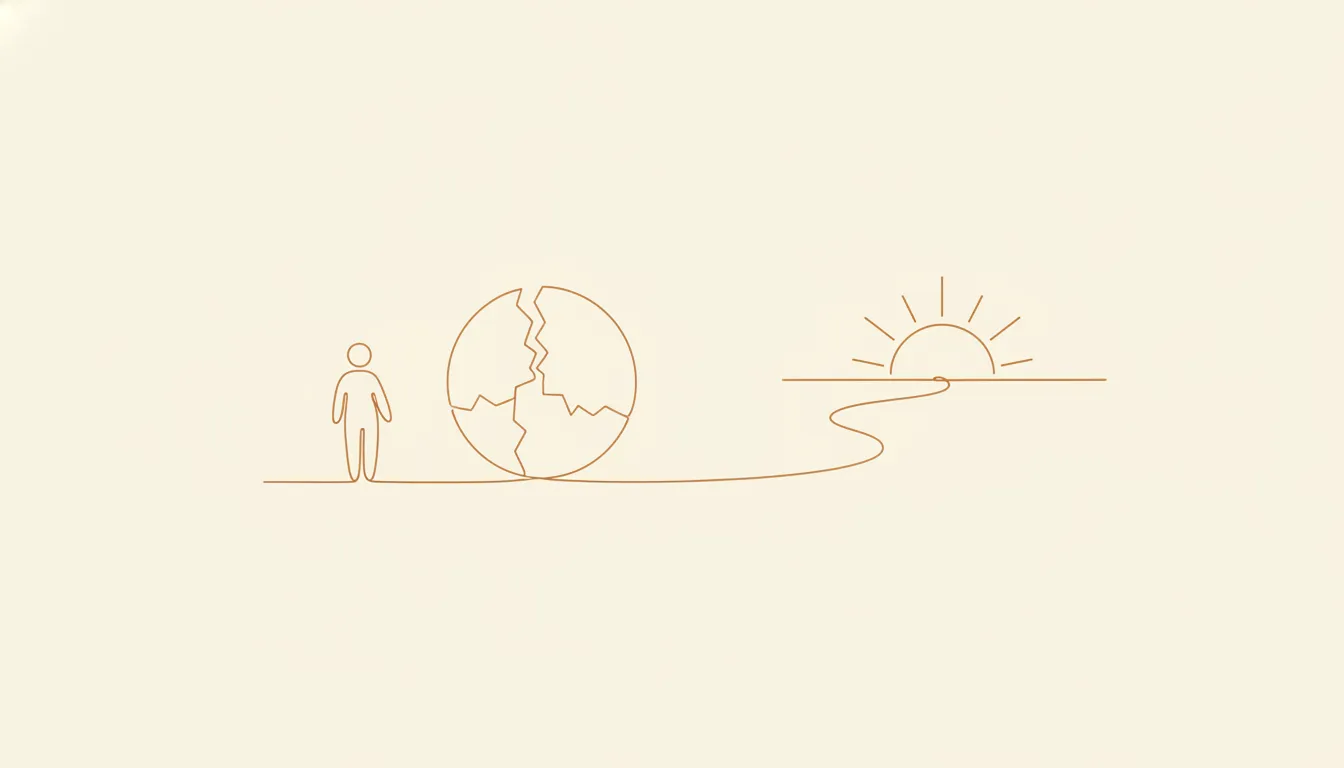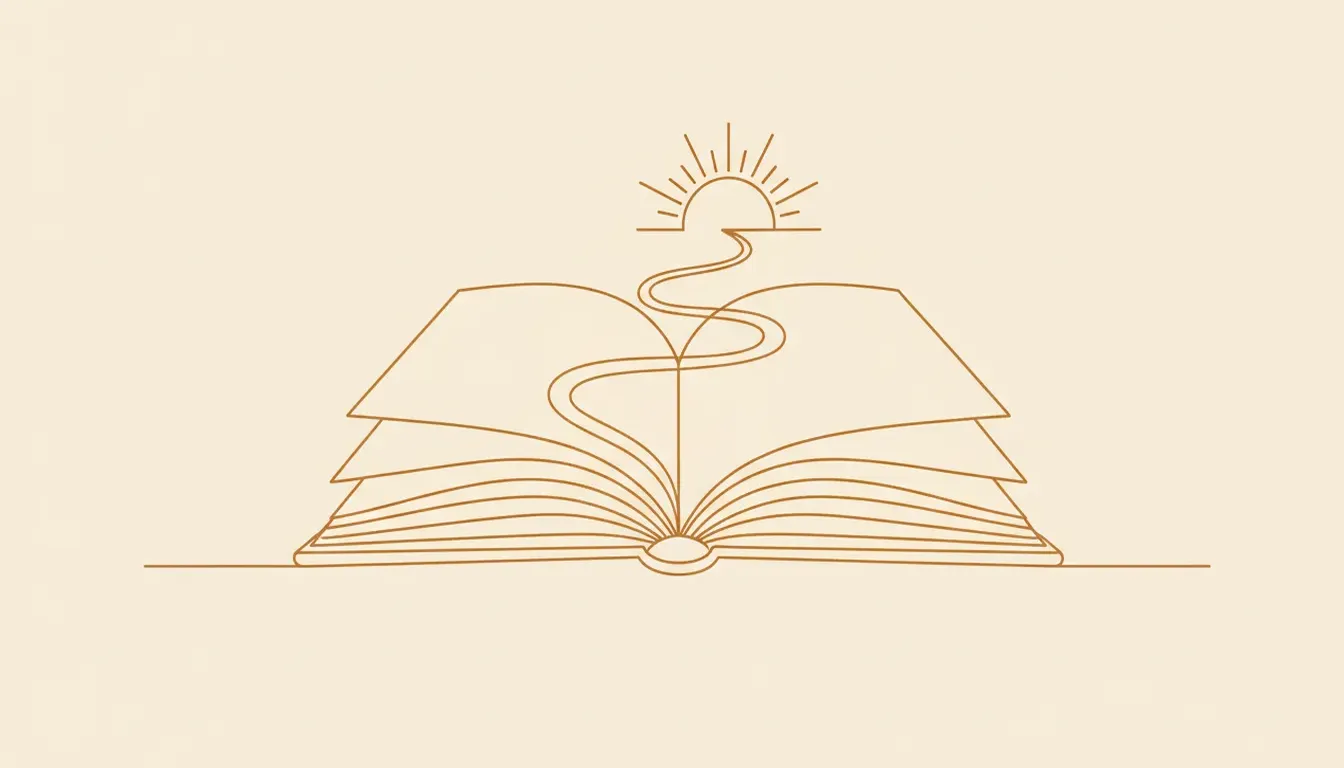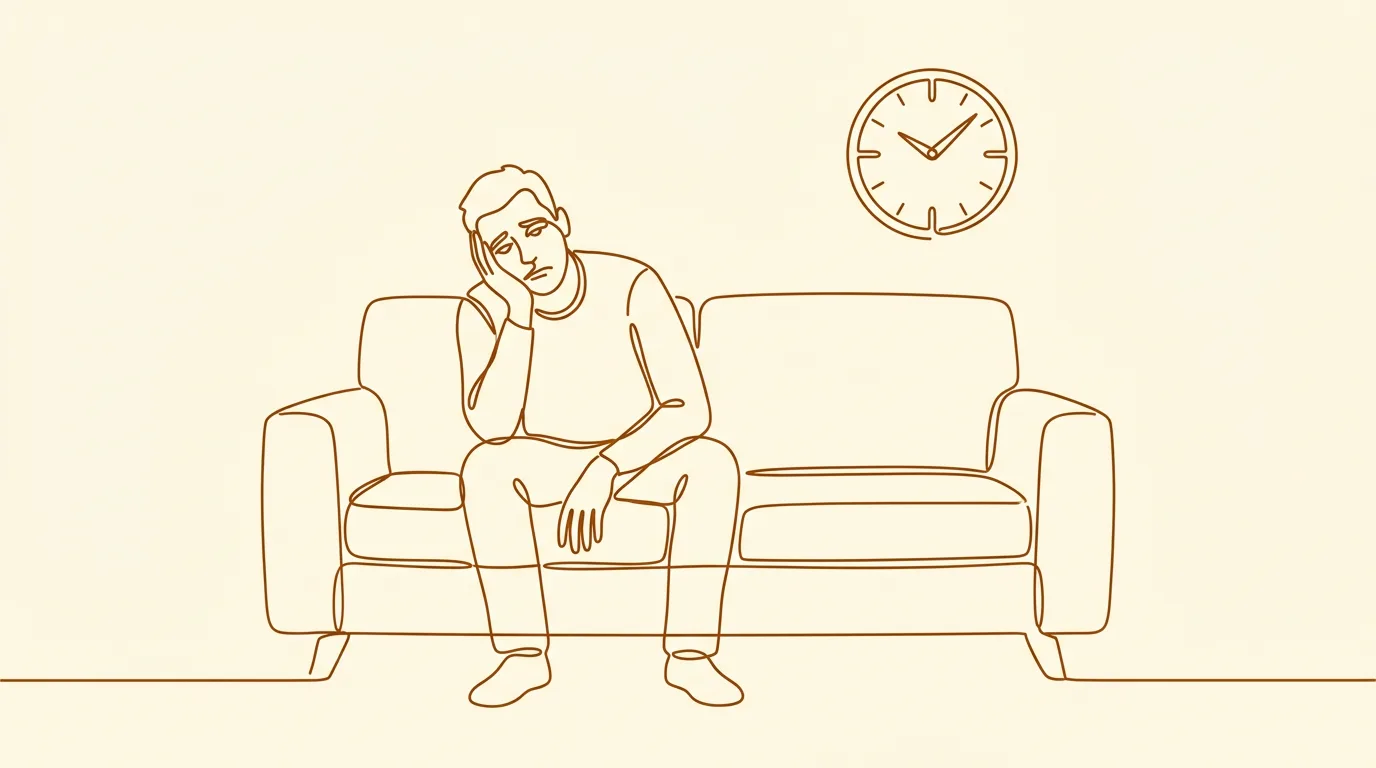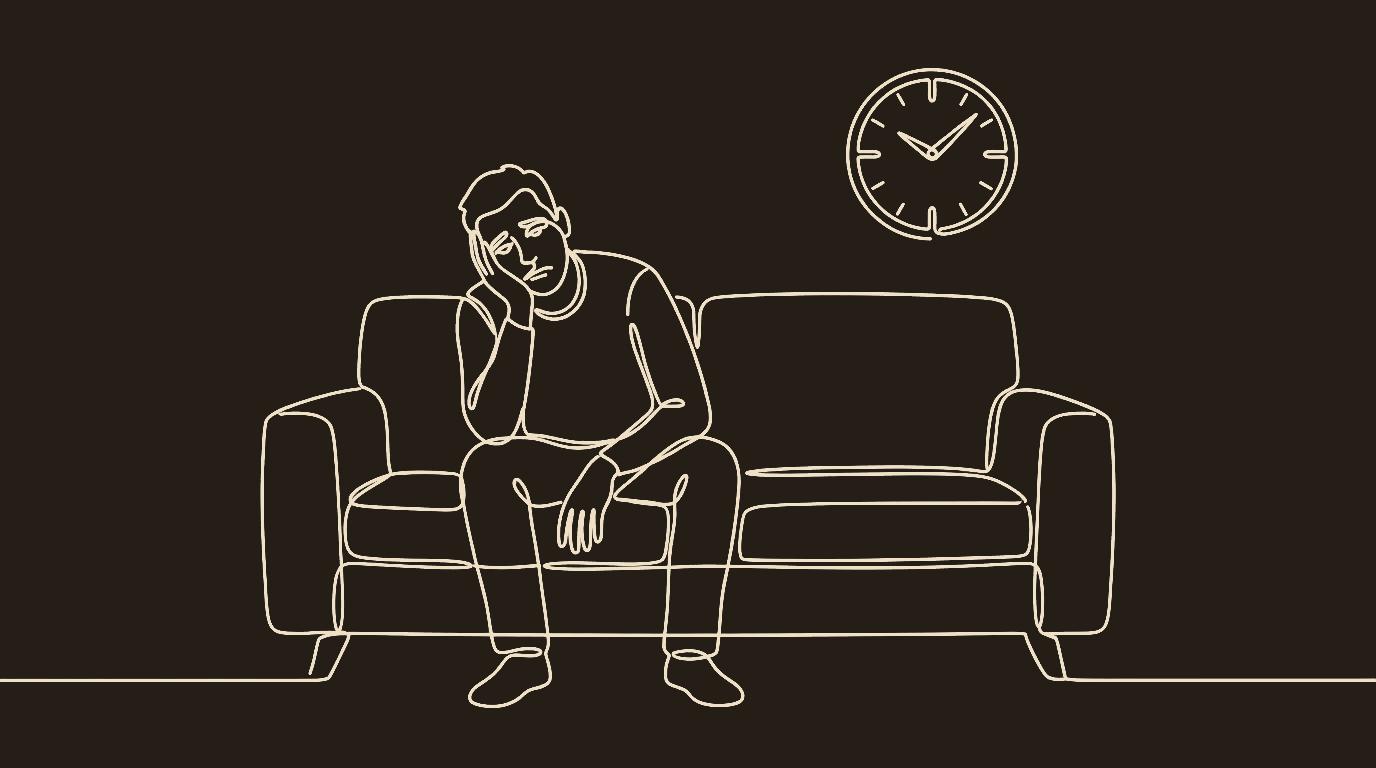
The link between loneliness and porn use in women is most useful to track as a repeatable sequence. Notice the moment that usually comes first: phone in bed, an empty hour after work, a weekend morning with no plans, scrolling after seeing couples online, or the silence after conflict. When that moment appears, the plan should be concrete: leave the isolated setting, add device friction, and contact someone before sexual content becomes the quickest way to change state.
Reaching out does not have to solve the whole loneliness problem. It only needs to interrupt the first step toward porn: send a check-in text, call someone, go to a public place, join a meeting, or start a planned task where you are not alone with the device.
Key takeaways
- Loneliness can trigger porn use when sexual content becomes a fast substitute for connection, comfort, or feeling wanted.
- Women may miss the pattern when it feels like comfort, attention, or fantasy rather than "porn."
- Studies link loneliness and problematic pornography use in some samples, while the evidence points to overlap rather than a single-cause story.
- Shame can make loneliness worse by keeping the behavior private and delaying support.
- Recovery needs a connection response alongside device blockers, because access friction alone does not meet the social need.
Loneliness and porn use in women: the loop
Loneliness can mean more than being physically alone. It can mean feeling unseen in a relationship, unwanted after rejection, disconnected from friends, ashamed of your sexuality, or unable to ask directly for comfort.
For some women, porn use begins at that point. The content may be visual, written, conversational, or social. The guide to smut addiction covers written and narrative sexual content more directly.
The loop usually has four parts:
- State: lonely, rejected, bored, numb, anxious, ashamed, or emotionally hungry.
- Route: phone in bed, private browser, social app, old saved link, Kindle app, chat window, or empty room.
- Behavior: sexual content, fantasy, masturbation, chat, image search, or scrolling.
- Aftermath: temporary relief, then secrecy, lost sleep, shame, numbness, or more loneliness.
What the research can and cannot say
Research on loneliness and pornography is not always women-specific, so the safest claim is about overlap and risk rather than destiny. A 2024 study found that difficulties in emotion regulation were associated with problematic pornography use, with loneliness acting as a mediator in that relationship (Cardoso et al., 2024). That supports a practical idea: when emotions are hard to regulate, loneliness can become part of the path into compulsive sexual content.
Another study reported that loneliness was connected with problematic pornography use through serial mediation involving low self-esteem and depression in a sample of 280 adults (Bibi et al., 2022). This kind of evidence fits what many people describe: porn is rarely the only issue. Mood, self-worth, isolation, and avoidance can travel together.
For recovery, the useful point is narrower than the whole research field: isolation, mood, self-worth, and avoidance can move together. When that happens, blocking access may help, but it will not meet the need for contact by itself.
Why women may hide this pattern
Many women hear porn addiction discussed as if it mostly happens to men. That can make a lonely porn loop feel especially isolating. You may think your behavior is unusual because the trigger is emotional rather than visual, or because the format is romantic, written, audio-based, or tied to wanting attention.
The format still matters because you need to identify how the pattern starts. If loneliness leads to reading, scrolling, searching, messaging, or videos, name that behavior directly without turning the whole article into a list of formats.
When shame is part of the pattern, the loneliness usually gets harder to interrupt. You may hide the behavior, delay support, and end up back in the same private setting. In that case, shame needs its own repair step; the guide to porn addiction shame in women is the better next read.
Build contact before the urge
Treat lonely hours as a problem of timing: decide whom to contact before the urge gets loud.
Use three layers:
- Fast contact: text one safe person, post in a recovery space, call a friend, sit near people, or leave the bedroom.
- Body regulation: eat, shower, walk, stretch, breathe, go outside, or change rooms.
- Access friction: move the phone out of bed, block risky sites, remove saved content, disable private browsing where possible, and avoid isolated screen time after a certain hour.
Act before the urge reaches full strength. Make sure someone is reachable at the time of day when loneliness usually hits.
A seven-day loneliness map
For one week, track lonely urges without using the log as punishment.
- Moment: When did loneliness show up?
- Meaning: What did it say: "I am unwanted," "I am behind," "I am invisible," "I need to feel something"?
- Point of access: What opened the loop?
- Contact: Who did you contact first?
- Outcome: What helped, even slightly?
After seven days, choose the two periods when loneliness most often led toward porn. Common patterns include bedtime, mornings, weekends, after conflict, after social comparison, or after drinking. Build support around those periods.
When to get support
Get support when loneliness repeatedly turns into porn use despite serious efforts to stop, when shame keeps you isolated, when depression or anxiety is rising, when you feel unsafe with yourself, or when the behavior is affecting sleep, work, school, caregiving, honesty, or intimacy.
You can say this directly:
"Porn and sexual content have become my main way to manage loneliness. I want help building safer ways to handle isolation, shame, and urges."
For practical support steps, use porn addiction help for women. For the broader women-specific frame, start with porn addiction in women.