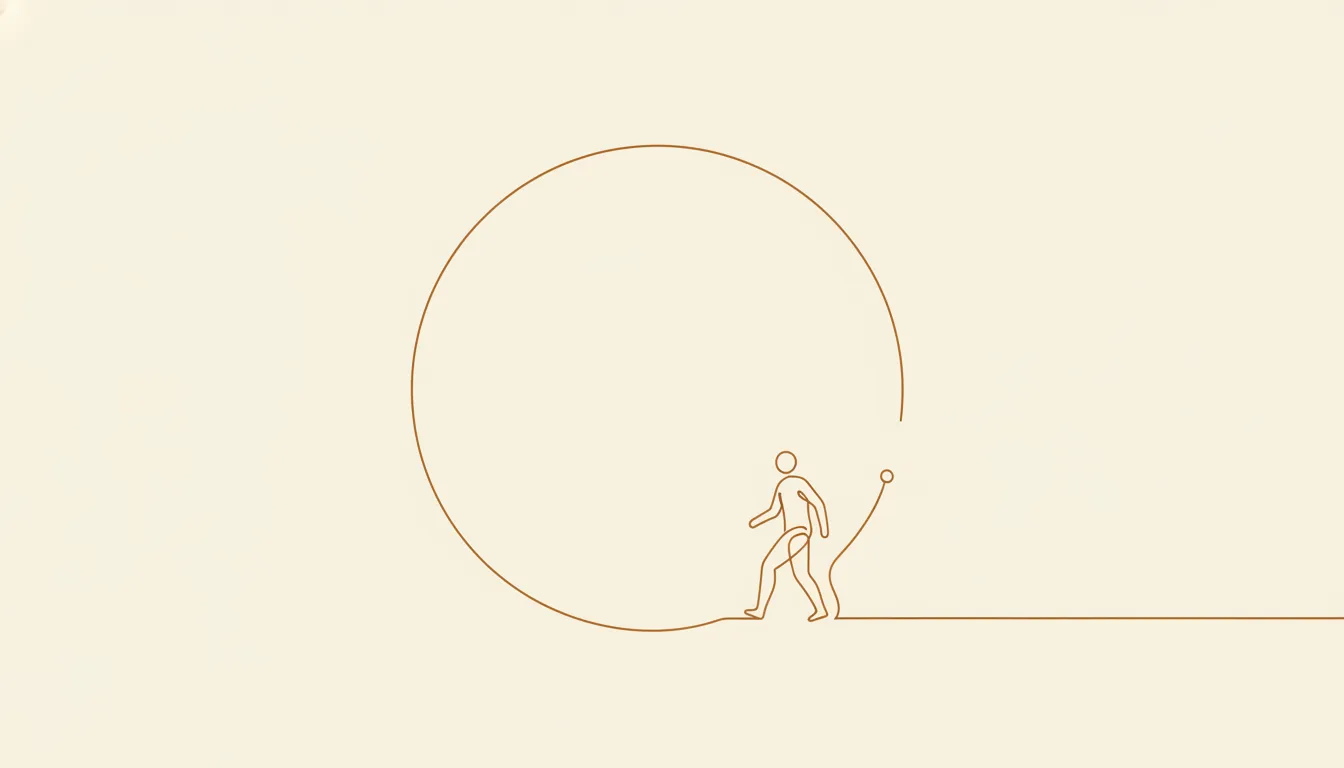
Most people who try to quit porn have made a sincere promise to stop. The promise may be real, and the intention may be strong, but the same pattern can still return later.
Often, the issue is the setup: the plan asks willpower to do too much during the moments when it is least reliable.
Willpower can help in small moments. As the main strategy, it is too vulnerable to stress, fatigue, habit cues, and easy access. Recovery works better when willpower is supported by environment design, routines, accountability, and systems that are already in place before the urge appears.
Key takeaways
- Willpower is limited, state-dependent, and less reliable when stress, fatigue, loneliness, or boredom are high
- Porn habits can become automatic, which means the behavior may begin before conscious self-control has much time to intervene
- Environment design reduces the need for last-minute resistance by making porn harder to access and healthier behaviors easier to start
- The habit loop is easier to interrupt at the cue stage than at the response stage
- Systems such as blockers, accountability, and scheduled alternatives help most on low-motivation days
The limits of willpower
People are often taught that changing a difficult habit is mainly a matter of discipline. Decide, stop, and stay strong.
That framing puts most of the burden on conscious self-control. Self-control matters, but it has limits.
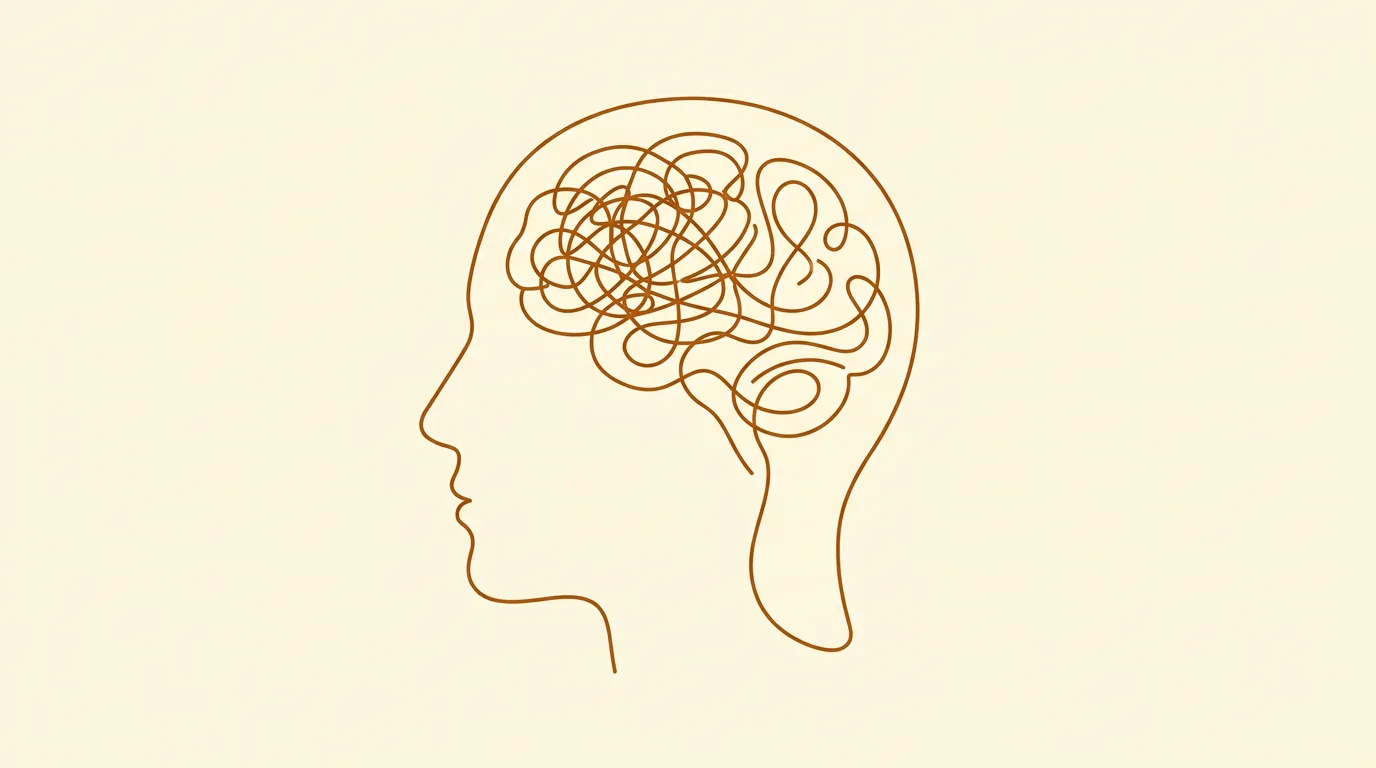
Willpower is depletable. Research on self-control often describes it as a resource that can be strained by repeated decisions, emotional regulation, and stress. By evening, when many people are most vulnerable to porn use, you may have spent hours making decisions, managing impulses, and handling pressure. Brain imaging research on ego depletion has shown that after exerting self-control, the prefrontal cortex may reduce its regulatory influence over the amygdala, leaving people more reactive to emotional triggers and less able to resist impulses.
Willpower is state-dependent. When you are rested, fed, calm, and connected, self-control is easier to access. When you are tired, hungry, stressed, lonely, or bored, it becomes less reliable. Those depleted states are also common porn triggers.
Willpower has trouble competing with automatic behavior. Habits that have been reinforced many times can operate before you fully notice the choice point. By the time you are trying to resist, you may already have picked up the phone, opened the browser, or started scrolling.
The real problem: intervening too late
Trying to rely on willpower during the strongest part of an urge means you are intervening late in the process. The cue has already fired, the craving is building, and the easiest path is still available.
People who recover more steadily usually reduce the number of moments that require intense resistance. They change the setup around the habit. The phone is harder to reach. The high-risk hour is already scheduled. The browser is filtered. Someone expects a check-in. The plan starts before the urge peaks.
What works instead: environment design
Environment design means making porn harder to access and healthier behaviors easier to do. It works because it lowers the amount of willpower required in the moment.
Examples:
- Block porn on your phone. Even a block that can be bypassed creates extra steps and gives you time to pause.
- Move your phone out of the bedroom. Much late-night use happens because the device is within reach when energy and self-control are already low.
- Delete apps and accounts connected to porn use. Every extra step between cue and behavior creates another chance to choose differently.
- Rearrange your physical space. If porn use usually happens on the couch late at night, change the evening routine, change the room, or make that location less available during the risky window.
Environment design makes the default path less likely to lead straight into the old loop.
Understanding the habit loop
Every habitual behavior follows the same loop: cue → craving → response → reward.
For porn use, this might look like:
- Cue: You are alone in bed at night, phone in hand, nothing planned.
- Craving: A mix of boredom, tension, and the memory of how porn feels.
- Response: You open a browser and start searching.
- Reward: Dopamine release, stimulation, or temporary relief from what you were feeling.
Willpower usually tries to interrupt this loop at the response stage, after the cue has fired and the craving is already building. That is usually the hardest place to intervene.
Earlier interventions tend to work better:
- Remove the cue. Keep the phone out of bed. Use a different evening routine. Avoid setting up the exact situation where the loop usually starts.
- Redirect the craving. When restless energy appears, channel it into something physical: push-ups, a cold shower, a walk, or leaving the room.
- Replace the response. Have a specific plan for what to do instead of watching porn that you decide on in advance, outside the heat of the moment.
- Find alternative rewards. Your brain needs reward. Exercise, creative work, and real human connection can provide it without reinforcing the porn loop.
Building systems, not relying on motivation
Motivation can be useful, but it is unreliable. It changes with mood, sleep, stress, and time of day. A plan that depends on motivation being present at the right moment will have gaps.
Systems work because they are already there when motivation is low. A system is any structure that makes the healthier behavior easier to repeat:
- A morning routine that starts your day with intention instead of immediate phone use.
- An accountability check-in with someone who knows what you are working on. It does not need to be confession-based. Consistency matters more. Healthy accountability creates gentle external pressure that helps when internal motivation is low.
- Scheduled activities during high-risk times. If 10pm to midnight is your danger zone, fill that time before it arrives with a class, a regular call, a gym session, or another committed activity.
- Friction by design. Every barrier between you and porn adds up: a passcode you do not know, an app you deleted, a filtered browser, or a device kept in another room.
The role of identity
Willpower often keeps the internal conflict alive: part of you wants to use porn, and another part is trying to resist. That can be tiring when it happens every day. The EasyPeasy method for quitting porn tries to reduce that conflict by changing what the reader believes porn provides, though its porn-specific claims have not been tested directly and practical supports still matter.
Identity work changes the frame over time. Instead of repeatedly asking, "Can I resist this today?", you begin building evidence for a different self-image: someone who handles stress another way, protects sleep, asks for support, and does not organize life around porn.
This shift develops gradually. It becomes more believable as you accumulate evidence. Each time you choose differently, especially when it is hard, you add evidence for the person you are becoming. For a deeper look at that process, see rewiring your identity after porn.
What to do with this information
If previous attempts relied mostly on willpower, treat that as useful information about the strategy. It does not need to become a judgment on your character.
Start here:
- Audit your environment. Where are the cues? Where is the access? What makes porn easy to reach? Change those conditions first.
- Map your habit loop. Identify your cues, craving patterns, response habits, and highest-risk times.
- Build at least three systems that work without motivation: blockers, accountability, scheduled alternatives.
- Start small. A single environmental change today is more useful than a complex plan that never becomes part of your routine.
For the full framework of how these pieces fit together, read our comprehensive guide on how to quit porn.