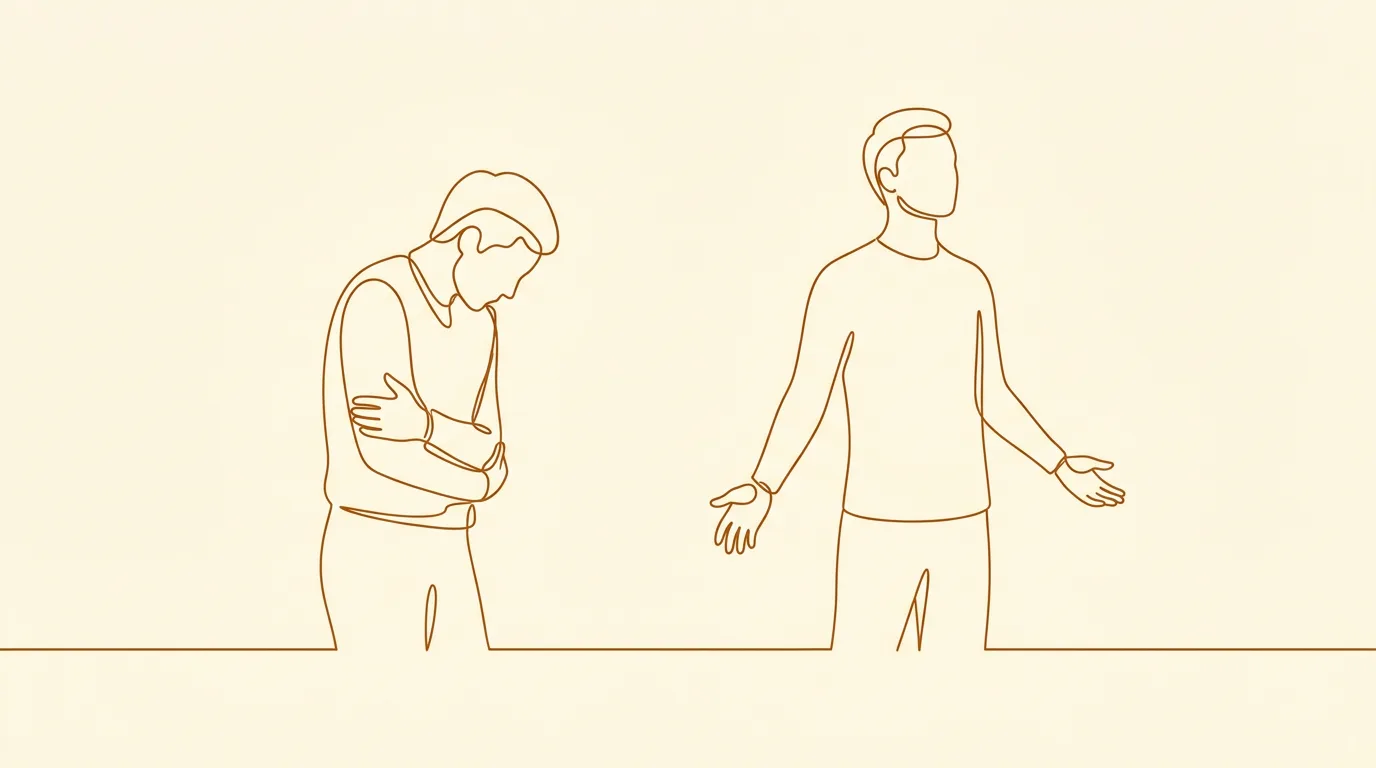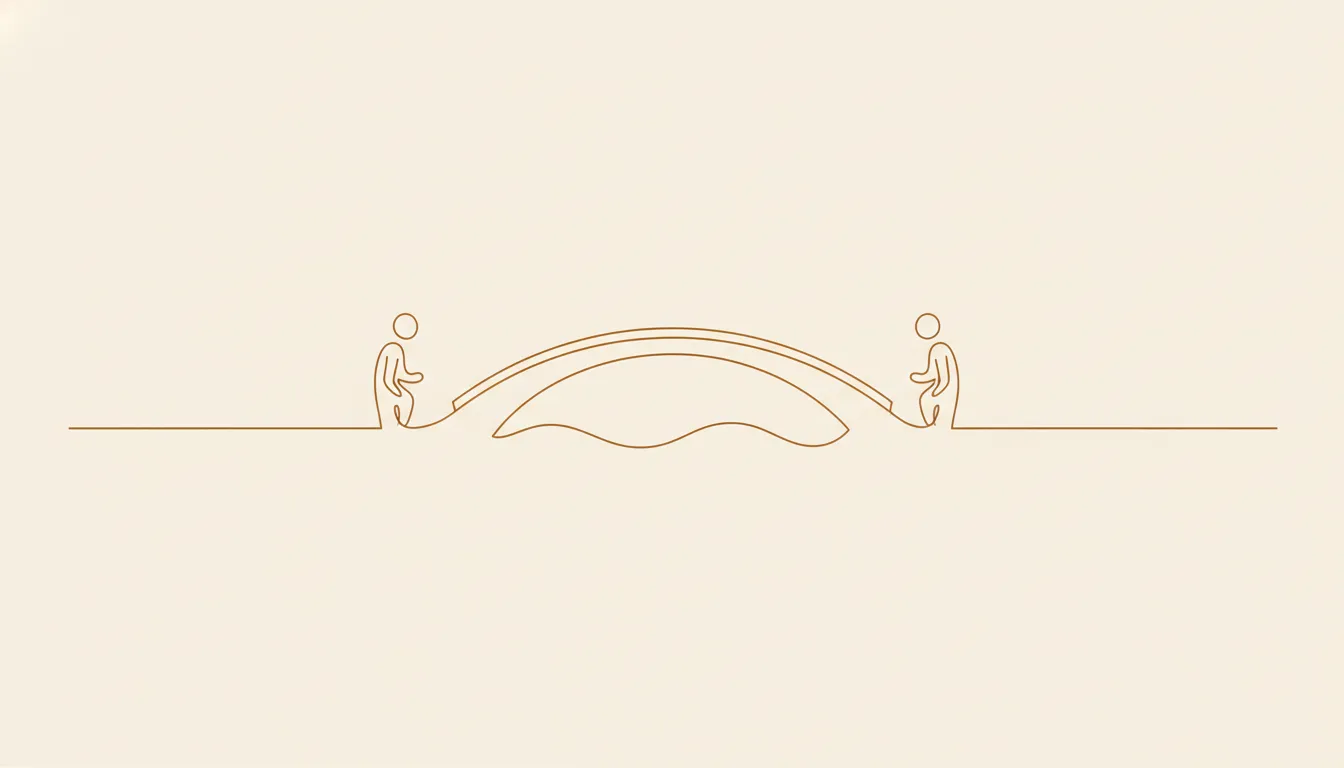
Relationship stress and porn relapse for women is about the period around conflict. The urge may appear after an argument, a cold text, rejection, feeling unwanted, a partner's criticism, fear of being found out, or loneliness inside the relationship. Sexual content can become a fast way to escape that state.
Focus on what happens immediately after conflict: how your body responds, which route toward porn becomes available, what relief you expect, and which repair step could keep secrecy from growing.
Key takeaways
- Relationship stress can trigger porn relapse when conflict, rejection, shame, or disconnection creates a fast need for relief.
- For women, the loop can involve several forms of sexual content or compulsive masturbation, not only video porn.
- Research on pornography and relationships is mixed, so claims should focus on context, motives, and individual patterns.
- Secrecy can increase relationship stress and make relapse harder to interrupt.
- Relapse prevention should include conflict aftercare, device friction, support, disclosure judgment, and repair steps.
Relationship stress and porn relapse for women: the loop
The loop often starts with a relationship state:
- feeling rejected, criticized, controlled, ignored, unwanted, compared, or misunderstood
- fear that your partner will discover the behavior
- guilt after hiding something
- anger after a fight
- loneliness while technically being in a relationship
- pressure to be sexual when you feel disconnected
Then a route toward porn appears: a phone in bed, bathroom scrolling, a private browser, an old link, a social feed, or fantasy. The behavior may bring quick relief, a sense of control, or a way to feel wanted without the risk of a real conversation.
The aftermath can be heavy: shame, more secrecy, avoidance, reduced intimacy, or another conflict. If this pattern includes more than porn, the guide to compulsive sexual behavior in women gives the wider frame.
What the evidence says
The evidence on pornography and relationships is nuanced. A 2025 intensive longitudinal study of romantic relationships found that pornography-use motivations differ within and between people, and that motivations can relate to relationship and sexual well-being in different ways (Bothe et al., 2025). That matters for relapse prevention because the motive after conflict may be escape, self-soothing, attention, arousal, or avoidance.
A 2021 review and contextual analysis in Frontiers in Psychology argued that links between pornography use and couple outcomes depend on patterns such as solitary versus shared use, acceptance, secrecy, frequency, and context (Kohut et al., 2021). For recovery, the practical takeaway is simple: look at how porn functions inside your relationship stress cycle, rather than treating frequency alone as the whole story.
Women-specific research also supports paying attention to relationship and emotional context. A study of 2,433 adult women found that pornography frequency differed by factors including sexual orientation, anxiety/depression status, number of sexual partners, menopausal status, and data-collection origin; demographic and relationship covariates more consistently predicted partnered sexual outcomes than pornography frequency alone (McNabney et al., 2020).
How stress becomes a relapse trigger
Relationship stress can push several buttons at once. It can create anxiety, anger, shame, rejection, loneliness, or pressure. If porn has become a reliable way to change state quickly, the urge may appear before you have time to think.
For women, the content may also match the emotional wound. After feeling unwanted, you may seek content that creates attention or desirability. After conflict, you may seek fantasy that gives control. After feeling numb, you may seek intensity. After shame, secrecy can feel easier than reaching out.
If loneliness is central to the pattern, use loneliness and porn use in women. If the main emotion is shame, use porn addiction shame in women.
Build conflict aftercare
Conflict aftercare protects the period after tension, when urges can move quickly and privately. Build it while calm.
Use this structure:
- Pause: take 20 minutes away from the argument without taking the phone into bed, bathroom, or another isolated place.
- Body reset: walk, shower, eat, stretch, breathe, or sit somewhere public.
- Contact: text one support person or write a short check-in in a recovery space.
- Repair script: write one sentence you can say later: "I need a calmer conversation, and I am taking space so I do not act out."
- Friction: block sites, remove saved content, keep the phone outside the bedroom, and avoid private browsing after conflict.
The goal is to keep the hour after conflict from becoming automatic relapse time.
What to tell your partner
Disclosure depends on safety and context. If your partner is controlling, threatening, or unsafe, talk to a therapist or trusted support first. If the relationship is safe enough for honesty, disclosure works best when it is calm, specific, and attached to action.
Useful language:
"I have noticed that relationship stress is one of my relapse triggers. I am not blaming you. I am setting up aftercare for the period after conflict so I do not use porn or sexual content to escape."
Avoid graphic details unless your partner asks and you both have support for that conversation. Focus on the pattern, the boundary, and the next repair step.
For broader partner conversations, use quitting porn in a relationship. If trust has already been damaged, rebuilding trust after porn discovery gives a more structured repair frame.
A seven-day relationship trigger map
For one week, track urges that happen near relationship stress:
- Event: argument, rejection, silence, criticism, anxiety, disclosure fear, sexual pressure, or distance.
- Emotion: anger, shame, loneliness, fear, sadness, numbness, or resentment.
- Route: where did the urge lead you: phone, browser, app, fantasy, saved content, or chat?
- Need: what did you want: comfort, control, attention, revenge, escape, reassurance, or intensity?
- Repair: what helped without feeding the loop?
After seven days, choose the top two moments. Build friction around those exact moments rather than trying to change every part of the relationship at once.
When to get support
Get support when relapse keeps following conflict, when secrecy is damaging the relationship, when shame feels unbearable, when you feel unsafe, or when anxiety, depression, trauma, or compulsive sexual behavior are part of the cycle.
You can say:
"I want help with porn relapse patterns that happen after relationship stress. I need support with conflict, shame, emotional regulation, boundaries, and repair."
For women-specific next steps, use porn addiction help for women. For the foundation, start with porn addiction in women.