NoFap is often one of the first terms people find when they start looking into porn recovery. It can also be confusing. Some people use it to mean quitting porn. Others mean quitting porn, masturbation, orgasm, or all three for a period of time.
The difference matters because the approach you choose affects what you track, what you avoid, how you interpret setbacks, and how much structure you need.
Key takeaways
- NoFap usually combines porn abstinence with masturbation abstinence, while quitting porn focuses on removing pornography itself
- NoFap can provide structure, community, and accountability, especially in the early stage
- A porn-focused approach can be easier to maintain long term, but it needs its own plan for triggers, urges, and accountability
- The masturbation question depends on your pattern: whether it leads you back to porn, porn fantasy, or a screen
- Some people start stricter, then move toward a more targeted long-term plan
What NoFap actually is
NoFap started as an online community built around abstaining from pornography and, often, masturbation. The original idea was a 90-day reboot, a reset period where you avoid porn and masturbation while your reward system settles.
Over time, the community developed different modes:
- Standard Mode: no porn, no masturbation
- Hard Mode: no porn, no masturbation, no orgasm at all (including with a partner)
- Easy Mode: no porn, but masturbation without porn is allowed
The community is large, active, and has helped many people take their first steps away from compulsive porn use.
What quitting porn means
Quitting porn is narrower in scope. The focus is on removing pornography specifically: the videos, images, accounts, saved material, and escalation patterns that keep the loop active.
This approach focuses on the behavior causing the most harm. Masturbation, public streaks, and movement identity are optional parts of the plan rather than built-in requirements.
Where they overlap
Both approaches take compulsive porn use seriously. Both recognize that porn can affect dopamine, motivation, intimacy, and sexual expectations, especially when use becomes repetitive and hard to control.
Both also recognize that recovery takes time, that urges are normal, and that the early weeks can be difficult.
If you are doing NoFap and your main focus is removing porn, you are already working on the same core behavior.
Where they diverge
The masturbation question
This is the biggest practical difference. NoFap often treats masturbation as part of the recovery target. The concern is that masturbation may keep the same fantasy loop alive or lead back to porn.
Quitting porn, on its own, is neutral on masturbation. The question is whether masturbation is connected to the porn loop for you.
The evidence points toward individual pattern tracking rather than one rule for everyone. A study on masturbation abstinence and hypersexuality found that the motivation to abstain from masturbation was driven more by the perception of masturbation as unhealthy than by actual behavioral addiction markers, and that there is a lack of evidence for negative health effects of masturbation itself. Some people find that masturbation pulls them back toward porn, especially in early recovery. Others find that masturbation without porn or porn-based fantasy reduces pressure. If the issue is sensitivity or needing a very specific high-pressure routine, the death grip syndrome guide covers that narrower pattern.
Track what happens afterward. If masturbation repeatedly leads to porn, treat it as part of the plan. If it does not, the plan can be more targeted.
Streak culture
NoFap communities often center around day counts. "Day 47." "Just hit 90 days." "Lost my streak at day 12."
Streaks can be motivating early on because they make progress visible. They can also make a setback feel larger than it is. A relapse after 60 days still leaves 60 days of practice, learning, and lower exposure behind it. For a deeper look at when streaks help and when they backfire, see why streaks help some people and hurt others.
Without the streak framework, you can measure patterns: frequency, intensity, triggers, recovery time, and whether the relapses are becoming shorter or less automatic.
Identity and community
NoFap is a community with its own language, culture, and identity. For some people, that sense of belonging is useful. It makes recovery feel less private and adds accountability.
For others, the culture can feel intense. Some parts of the community make claims about "superpowers" or dramatic social changes that go beyond the evidence. Unrealistic expectations can make ordinary recovery feel disappointing.
Quitting porn can happen with a community, a therapist, a partner, a trusted friend, or a private plan. The support structure matters more than the label.
The honest pros and cons
NoFap strengths
- Strong community support and accountability
- Clear structure (90-day challenge gives you a finish line, though the flatline phase around weeks 2 to 4 tests most people)
- Helps people who find masturbation is a gateway back to porn
- The commitment feels decisive, which can build momentum
NoFap limitations
- Streak-based thinking can make setbacks feel larger than they are
- Some claims go beyond the science, which can erode credibility
- Treating all masturbation as harmful may not fit everyone's reality
- Community culture can occasionally drift toward rigidity or shame
Quitting porn strengths
- Targeted at the actual problem (compulsive pornography use)
- Compatible with a healthy view of sexuality and self-pleasure
- Progress can be measured by patterns, triggers, and recovery time
- Easier to maintain long-term without feeling like you're in permanent restriction mode
Quitting porn limitations
- Less built-in community and accountability
- Requires more self-directed structure
- Can feel less decisive without a clear reset period or community challenge
How to decide what's right for you
Start with practical questions:
Is masturbation a trigger for you? If masturbation almost always leads to opening a browser, NoFap's stricter approach may be a useful starting point. You can reassess later.
Do you do better with external structure and community? If accountability partners, forums, and clear challenges help you stay honest, NoFap offers that structure.
Does streak culture add pressure? If the idea of "losing your streak" creates dread or shame, a pattern-based approach to quitting porn may be steadier.
Are you in a relationship? Hard Mode can affect a partner, especially if it changes sexual contact without a conversation. Talk about the plan openly.
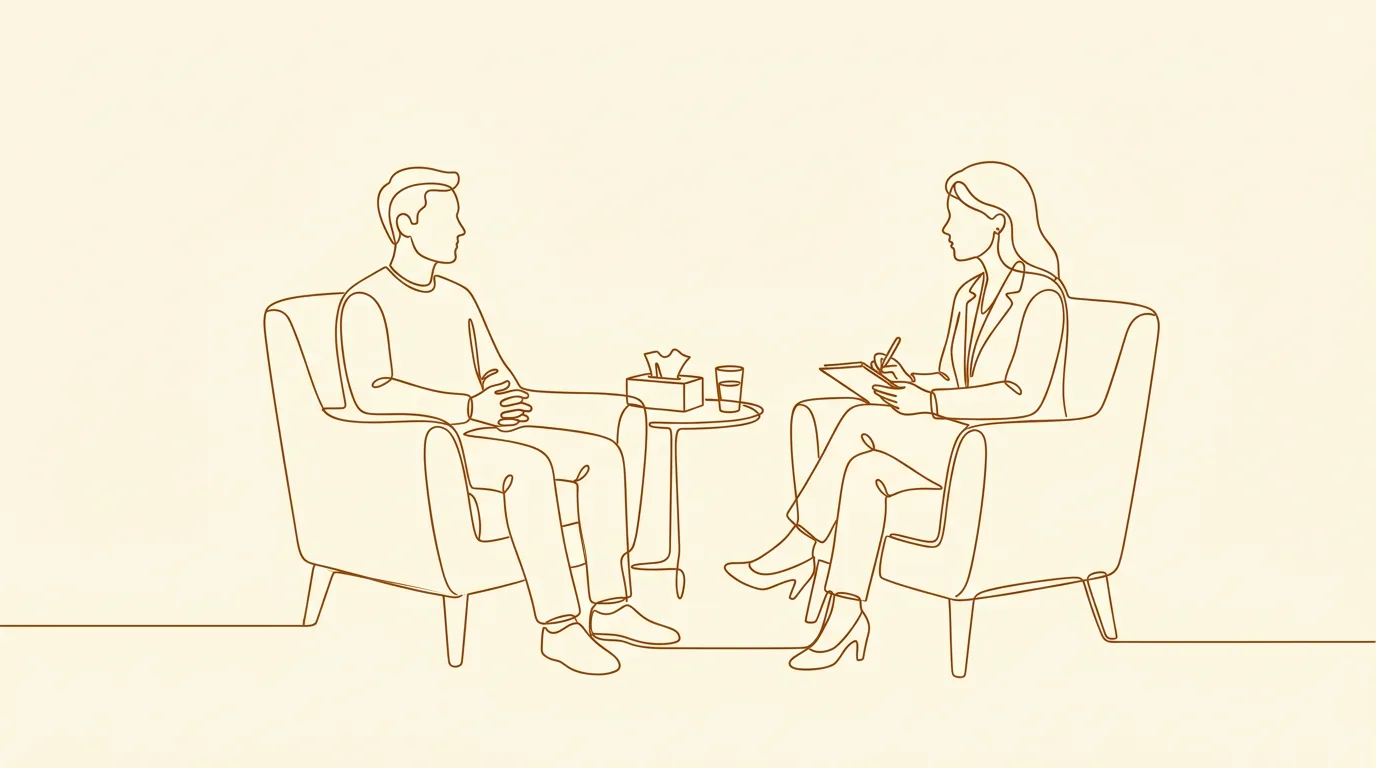
What does your therapist say? If you're working with a therapist experienced in compulsive sexual behavior, their input matters more than any internet framework. See our guide on how to talk to a therapist about porn if you haven't started that conversation yet.
You can also combine approaches
You can borrow from both approaches. A stricter NoFap-style reset can help interrupt the acute cycle, and a porn-focused plan can support long-term pattern change. You can also use NoFap community resources without adopting every part of the philosophy.
No Nut November can serve as a short, calendar-based reset, but you still need to decide whether the target is porn, masturbation, orgasm, or a combination, and what will continue after the month.
The useful approach is the one you can follow honestly. For a step-by-step framework, see our complete guide on how to quit porn.
What matters most
The best plan is specific enough to guide your next urge and flexible enough to adjust when you learn something new.
Notice your triggers. Add replacement routines. Track what happens after urges, slips, and high-risk situations. Be direct about what is helping and what still needs adjustment.
NoFap can be a useful entry point. A porn-focused plan can be a useful long-term structure. The right choice is the one that helps you stop returning to the same loop.