If you have ADHD and you struggle with porn or compulsive sexual behavior, it’s not a coincidence. It’s not a character flaw, either. Your brain is wired differently, and that wiring makes you more vulnerable to exactly the kind of stimulation porn provides. ADHD hypersexuality is a pattern that shows up again and again, and understanding the neuroscience behind it is the first step toward building a recovery approach that actually works for your brain.
Key takeaways
- ADHD brains run chronically low on dopamine, creating a constant pull toward high-stimulation activities like porn
- ADHD impulse control deficits mean your prefrontal cortex (the brain’s “brakes”) is already weaker, making it harder to resist cravings
- Porn is uniquely dangerous for ADHD brains because it combines novelty, instant reward, zero effort, and hyperfocus potential
- Standard recovery advice (“just use willpower”) ignores the neurological reality of ADHD, and often makes shame worse
- Recovery strategies that work with ADHD (environmental design, external structure, medication, movement) are far more effective than those that fight against it
The ADHD-dopamine connection
To understand why ADHD and hypersexuality so often overlap, you need to understand what’s happening with dopamine in the ADHD brain.
Dopamine is a neurotransmitter that drives motivation, focus, and reward-seeking. It’s the chemical that makes you want things, that creates the pull toward activities your brain perceives as rewarding. In a neurotypical brain, dopamine production and regulation happen at a steady, functional baseline.
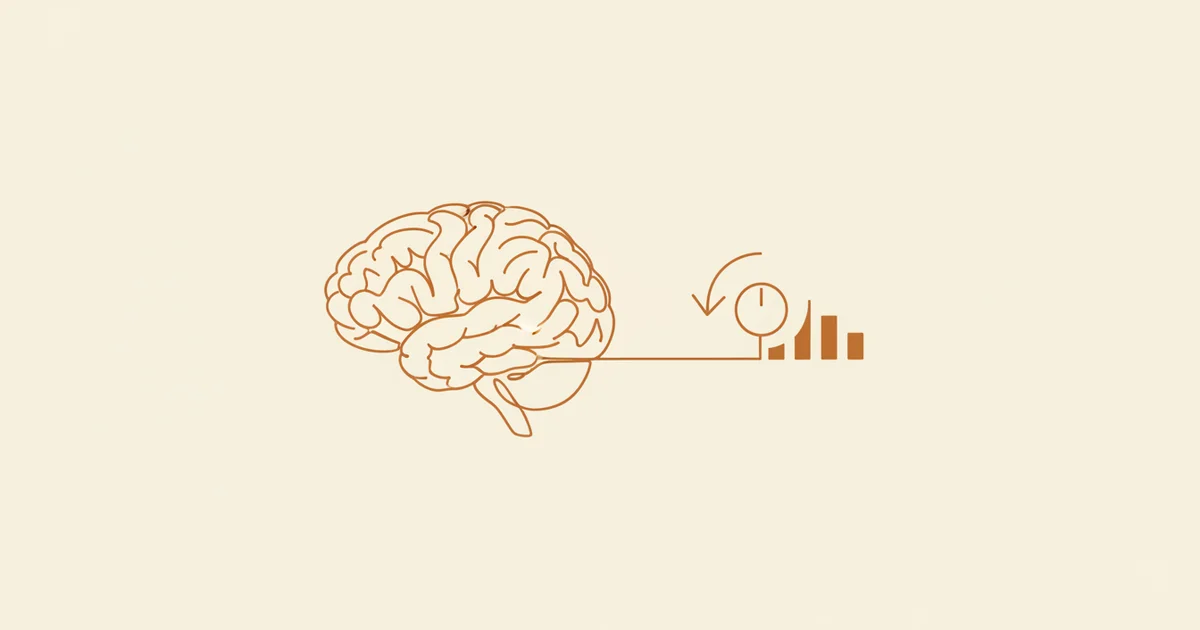
In the ADHD brain, that baseline is lower. Research consistently shows that ADHD involves reduced dopamine activity, particularly in the prefrontal cortex and the brain’s reward circuitry. Your brain produces less dopamine and may also have fewer dopamine receptors or less efficient dopamine transporters.
This is why ADHD dopamine seeking behavior is so persistent. Your brain is constantly searching for stimulation that will bring dopamine levels up to where they should be. That search drives the core ADHD symptoms you already know: difficulty focusing on low-stimulation tasks, gravitating toward novelty, impulsive decision-making, and that restless feeling when things aren’t stimulating enough.
Now think about what porn offers: an unlimited stream of novelty, instant reward, intense visual stimulation, zero effort required. For a brain that’s starving for dopamine, porn is like finding an open buffet after days without food. Your brain isn’t broken for being drawn to it. It’s doing exactly what a dopamine-starved brain is designed to do: seek out the most efficient source of stimulation available.
The problem is that porn delivers dopamine at levels and frequencies that damage the reward system over time. If you want to understand more about how that works at a neurological level, this breakdown of how porn rewires the brain covers the full mechanism.
Why porn is the perfect ADHD trap
Not all dopamine sources are equally dangerous for the ADHD brain. Porn is particularly harmful because it hits every vulnerability at once.
Novelty on demand. ADHD brains crave novelty. Porn provides infinite novelty: a new face, a new scenario, a new genre with every click. Each new stimulus triggers a fresh dopamine spike, and with ADHD, your brain is especially responsive to that spike. You can cycle through more novel stimuli in ten minutes of browsing than most people encounter in weeks of normal life.
Instant reward with zero effort. ADHD makes it genuinely difficult to pursue delayed rewards. Exercise takes effort. Building relationships takes time. Career goals take sustained focus. Porn delivers an intense reward in seconds, with no friction and no waiting. For a brain that already struggles with delayed gratification, the pull is enormous.
Hyperfocus risk. Here’s something people without ADHD don’t understand: ADHD isn’t just about being distracted. It’s also about hyperfocus, that state where you lock onto a stimulating activity and lose all sense of time. Porn can trigger hyperfocus, and when it does, a “quick look” turns into hours. You’re not choosing to keep watching. Your brain has latched onto the dopamine source and isn’t letting go.
Accessibility. Porn is available 24/7, on the device in your pocket, for free. There’s no barrier to entry, no delay between impulse and action. For someone with ADHD, where the gap between impulse and action is already dangerously short, this accessibility is a perfect storm.
This combination of factors makes porn one of the most ADHD-compatible compulsions that exists. Understanding this isn’t about making excuses. It’s about recognizing that you’re fighting against real neurology, not just “bad habits.”
ADHD impulse control and porn: the double vulnerability
Most advice about quitting porn assumes a roughly average level of impulse control. For someone with ADHD, that assumption is wrong from the start.
ADHD impulse control is compromised at a structural level. The prefrontal cortex, the region responsible for inhibiting impulses, weighing consequences, and aligning your actions with long-term goals, is consistently underactive in ADHD. Brain imaging studies show reduced blood flow, lower metabolic activity, and even reduced gray matter volume in this area.
Think of it as a car with a powerful engine and worn-out brakes. The ADHD reward system (the engine) is revving harder than usual, constantly pushing you toward high-dopamine activities. Meanwhile, the ADHD prefrontal cortex (the brakes) is weaker than average, less able to override that drive.
This creates a double vulnerability: stronger cravings and weaker ability to resist them. When a craving for porn hits, you’re experiencing both a louder signal to act and a quieter signal to stop. This is ADHD compulsive behavior in action, and it’s a neurological pattern, not a moral failure.
This double vulnerability also explains why relapses can feel so sudden and total. With ADHD, there’s often no gradual slide. One moment you’re fine; the next, you’ve already opened a browser. The impulse-to-action pipeline is shorter, sometimes so short it feels automatic. If this pattern sounds familiar, understanding your urges and triggers can help you start building awareness of what happens before the impulse fires.
ADHD overstimulation: when too much becomes the baseline
There’s a paradox at the heart of ADHD and compulsive porn use. ADHD brains seek stimulation because they’re understimulated at baseline. But over time, compulsive porn use creates a state of chronic ADHD overstimulation that makes the original problem worse.
Here’s the cycle: your dopamine-starved brain discovers porn, which provides intense stimulation. Your brain adapts to that level of stimulation by further reducing dopamine sensitivity (downregulating receptors). Now your baseline is even lower. Normal activities feel even more boring and flat. You need more intense, more novel, or more frequent stimulation just to feel anything.
This is the escalation pattern. Content that worked before stops working. You search for more extreme material, spend longer sessions, or find yourself acting on sexual urges you wouldn’t have considered a year ago. It’s the same tolerance mechanism behind substance addiction, but the ADHD brain was already starting from a deficit, so it hits the escalation cycle faster.
The result is a brain that’s simultaneously understimulated (low dopamine baseline) and overstimulated (burnt-out dopamine receptors from chronic flooding). You feel restless, bored, and unable to enjoy things, while also feeling overwhelmed, scattered, and unable to regulate your responses. Your ADHD symptoms get worse. Focus gets harder. Emotional regulation deteriorates. The very symptoms that drove you toward porn in the first place are amplified by the porn use itself.
Breaking this cycle is possible, but it requires strategies designed for the ADHD brain, not strategies borrowed from neurotypical recovery programs.
Recovery strategies that work with ADHD, not against it
Generic recovery advice often fails people with ADHD because it relies on cognitive resources that ADHD specifically impairs (sustained willpower, self-monitoring, intrinsic motivation for low-stimulation tasks). Here’s what works better.
Medication management
If you have ADHD and you’re not currently on medication (or your medication isn’t well-optimized), this is often the highest-leverage intervention. Stimulant medications like methylphenidate (Ritalin) and amphetamine-based medications (Adderall) work by raising baseline dopamine and norepinephrine levels.
When your baseline dopamine is higher, the drive to seek intense external stimulation drops. Many people with ADHD report that properly managed medication significantly reduces compulsive urges, not because the medication directly targets sexual behavior, but because it addresses the underlying dopamine deficit that drives it. Talk to a psychiatrist who understands both ADHD and compulsive behavior.
Environment design over willpower
This is the single most important principle for ADHD recovery: don’t rely on your brain to say no. Change the environment so the question doesn’t come up.
Block porn on every device you own. Use DNS-level blocking, content filters, and accountability software. Make the barrier between impulse and action as large as possible. With ADHD, you can’t afford the luxury of “I’ll just resist.” By the time you’ve thought about resisting, the ADHD impulse control gap may have already closed.
Remove triggers from your physical environment too. If late nights alone at your computer are when it happens, restructure your evenings. If your phone in bed is the trigger, charge it in another room. The ADHD brain responds far better to environmental constraints than to internal willpower.
Exercise (your most powerful natural dopamine tool)
Exercise is one of the few activities that raises dopamine, norepinephrine, and serotonin simultaneously. For the ADHD brain, regular intense exercise can meaningfully raise your dopamine baseline, reducing the drive toward compulsive stimulation.
This isn’t about running marathons. Even 20 to 30 minutes of activity that gets your heart rate up can shift your neurochemistry for hours afterward. Strength training, running, swimming, martial arts, cycling: pick whatever you’ll actually do consistently. The best exercise for ADHD is the one that’s stimulating enough that you don’t get bored. For more on using physical movement to interrupt urges in the moment, see physical resets that interrupt urges.
External accountability
ADHD brains struggle with self-monitoring. You might set a firm intention in the morning and completely forget it by evening, not because you don’t care, but because ADHD impairs working memory and the ability to hold long-term goals in active awareness.
External accountability fills this gap. An accountability partner, a recovery group, a daily check-in system: these provide the external structure that the ADHD brain needs to stay on track. The key is consistency and frequency. A weekly check-in isn’t enough for ADHD. Daily contact works better.
Structured routines
Unstructured time is the enemy of ADHD recovery. When you have nothing planned, your brain scans for stimulation, and it knows exactly where to find the most efficient source.
Build structure into the times when you’re most vulnerable. Many people find that evenings, weekends, and any period of boredom or emotional stress are their highest-risk windows. Fill those windows with planned activities before the restlessness hits. This isn’t about keeping yourself “busy” as a distraction. It’s about giving your brain scheduled access to healthy stimulation so it doesn’t default to destructive patterns.
Body doubling
Body doubling (working or existing in the presence of another person) is a well-known ADHD strategy that reduces the likelihood of impulsive behavior. You don’t need to be doing anything together. Simply being in the same space as someone else changes your behavior because the ADHD brain responds to social presence in ways it doesn’t respond to internal intentions.
If you live alone, virtual body doubling works too: a video call with a friend while you work, a live study stream, or an online community where people check in regularly.
What standard recovery advice gets wrong about ADHD
Most porn recovery programs and communities are built for neurotypical brains. That doesn’t make them bad, but it means some of their core advice actively works against people with ADHD.
“Just use willpower.” Willpower is a limited resource for everyone, but for ADHD brains, it’s even more limited. Your prefrontal cortex is already underperforming. Telling someone with ADHD to “just resist” is like telling someone with a broken leg to just walk it off. It ignores the underlying condition and adds shame when it inevitably fails.
“Sit with the discomfort.” Mindfulness-based approaches can work for ADHD, but the standard version (sit still, observe your thoughts, let the urge pass) often fails because ADHD makes sitting still and sustaining internal focus extremely difficult. Modified versions that incorporate movement or very short intervals (two to three minutes, not twenty) work better.
“Track your progress with a journal.” Journaling requires sustained attention, working memory, and executive function, three things ADHD impairs. If journaling works for you, great. But if you’ve tried and failed to maintain a journal, it’s not because you lack discipline. Consider voice memos, bullet-point check-ins, or digital tools that reduce the friction.
“Find your motivation.” ADHD doesn’t respond reliably to internal motivation, no matter how strong it is. You can desperately want to quit and still relapse an hour later because your brain’s reward system overrides your intentions. ADHD recovery works better when it relies on external systems (environment, accountability, structure) rather than internal motivation.
“One day at a time.” The ADHD brain struggles with both the past (poor working memory for lessons learned) and the future (difficulty connecting present actions to future consequences). “One day at a time” assumes you can hold yesterday’s commitment in active awareness today. For ADHD, more frequent touchpoints (hourly check-ins during high-risk periods, multiple daily reminders, real-time accountability) are often necessary.
You need structure. Build it before you need it.
If you’ve read this far and recognized your own experience, know this: ADHD makes porn recovery harder, but it doesn’t make it impossible. The people with ADHD who succeed at quitting porn are the ones who stop blaming themselves for having a “willpower problem” and start building systems designed for their actual neurology.
That means medication if it’s appropriate. Environmental controls that remove access. Exercise that raises your baseline. External accountability that provides the structure your brain doesn’t generate on its own. Routines that fill unstructured time before the restlessness hits.
ResetHive was built to provide exactly this kind of daily structure: daily missions, check-ins, and a community that keeps recovery active in your awareness, even when your ADHD brain wants to forget about it. It’s not a cure, but it’s the kind of external system that ADHD brains respond to. You don’t have to white-knuckle this alone.
Your ADHD brain isn’t your enemy. It’s a brain that needs more support, more structure, and a recovery approach that respects how it actually works. Start there, and you’re already ahead of most advice you’ll find.