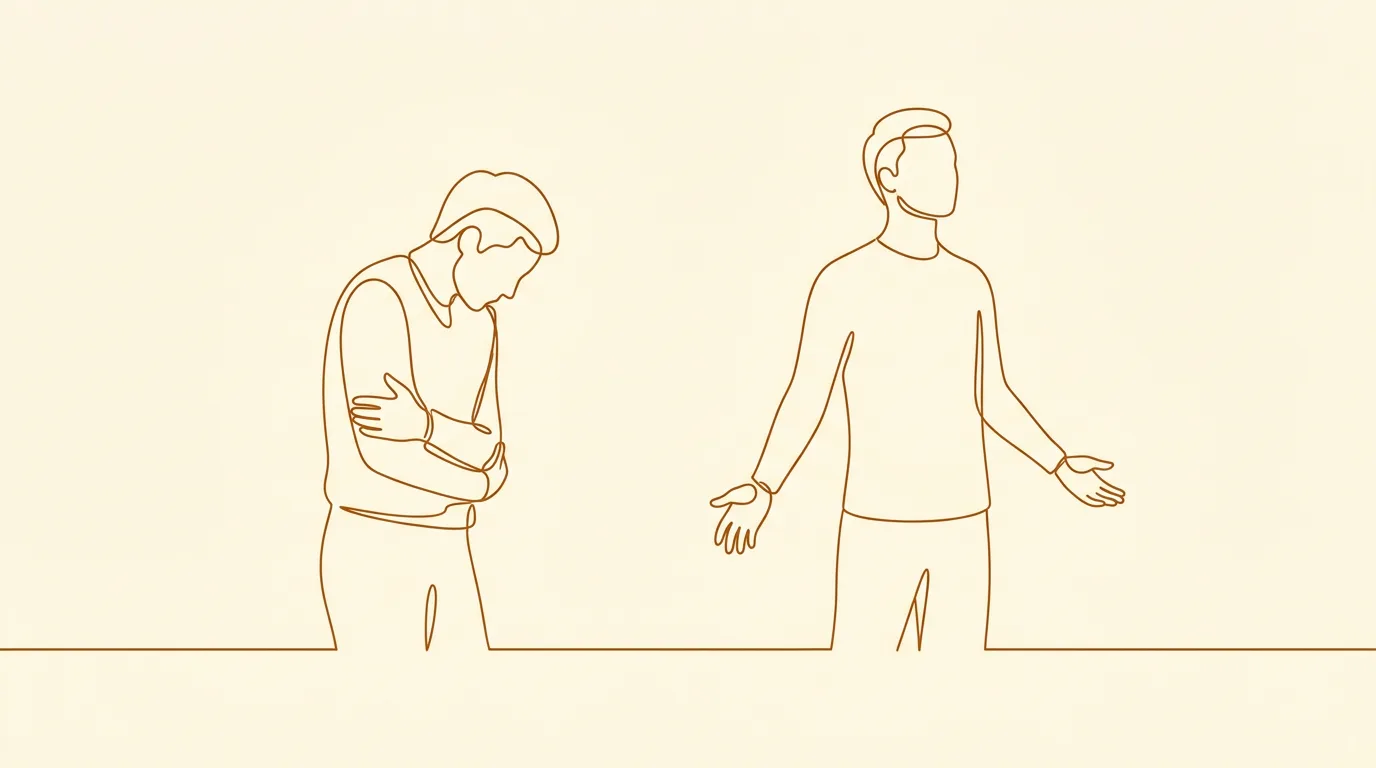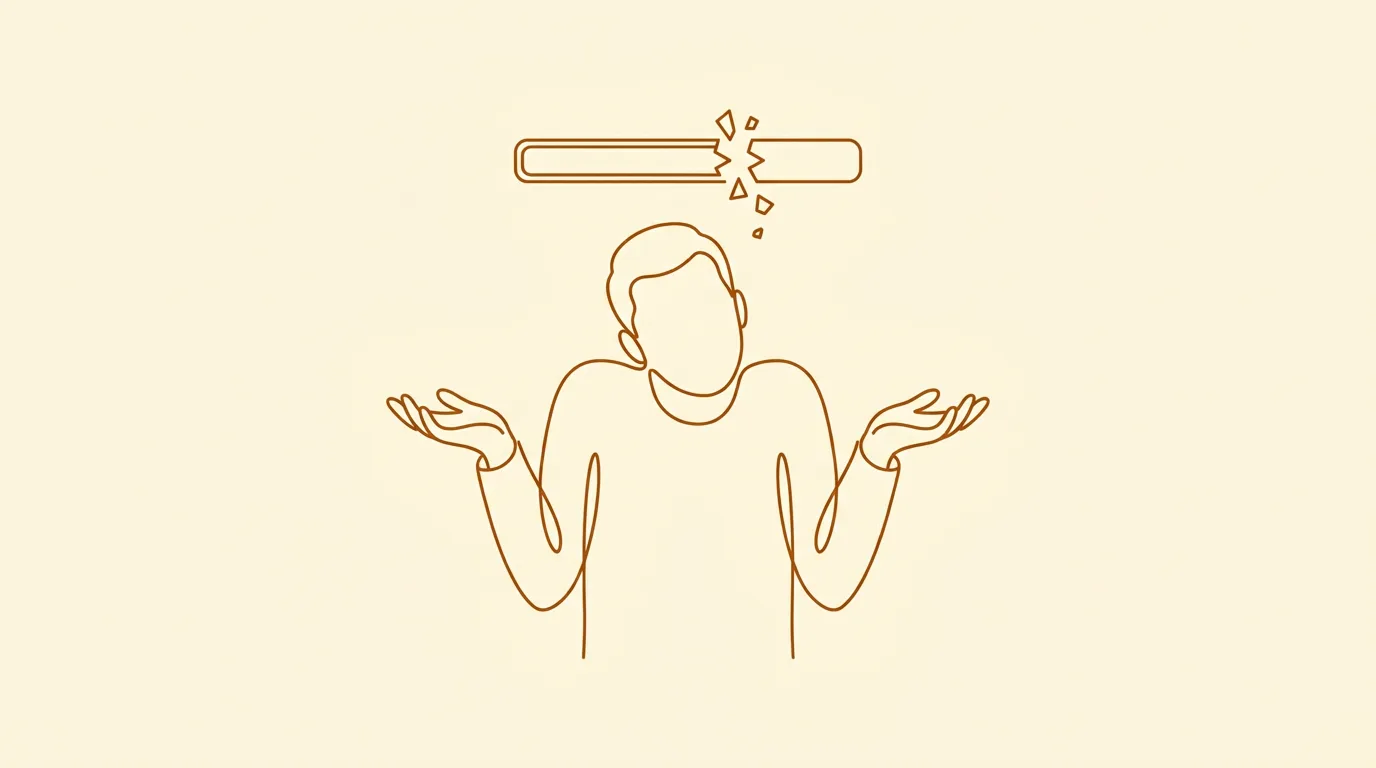
The what-the-hell effect is the pattern where one slip turns into a longer binge because the person feels the goal has already been broken.
Psychologists call this the abstinence violation effect. In everyday language, it is often called the what-the-hell effect. In porn recovery, the first slip matters, but the response afterward often matters more. Shame, hopelessness, and all-or-nothing thinking can turn a brief lapse into hours or days of continued use.
Key takeaways
- The what-the-hell effect can turn a single slip into a longer binge when shame and all-or-nothing thinking take over
- The pattern often runs through a sequence: goal violation, shame, emotional pain, relief-seeking, and more use
- Recovery is better measured as a pattern over time than as one perfect streak
- Decide your post-slip response before a relapse happens so the next step is already clear
- Separate the slip from the spiral; they are different events and can be handled differently
How the pattern works
The what-the-hell effect often follows a predictable sequence:
- You set an all-or-nothing goal. "I will never watch porn again." "I will reach 90 days no matter what."
- You violate the goal. A single slip. Maybe a few minutes. Maybe less.
- The violation triggers a disproportionate emotional response. Shame, guilt, or hopelessness may feel larger than the slip itself because of the meaning attached to the streak.
- The emotional pain demands relief. Your brain is now flooded with distress. And it knows one very fast way to numb distress.
- You binge. The thought becomes: "I already failed, so what is the difference?"
The more important the goal was, the more painful the violation can feel. That pain can make abandoning the goal for the rest of the day seem easier than returning to it immediately.
The research behind it
The abstinence violation effect was first identified by addiction researchers Alan Marlatt and Judith Gordon in the 1980s. Their relapse prevention model showed that people in recovery from alcohol and substance use could relapse sharply after a first lapse, especially when their psychological response included shame, guilt, and reduced self-efficacy.
The same pattern shows up across behavioral change: dieters who eat one cookie and then finish the box, exercisers who miss one day and then skip the whole week, people quitting porn who slip once and then binge for three days straight.
The mechanism is consistent: a rigid goal creates a binary identity (succeeding or failing), and any violation can make the whole effort feel erased.
Why it hits so hard in porn recovery
Porn recovery is especially vulnerable to the what-the-hell effect for several reasons:
The behavior is private. Unlike other habits, there is rarely anyone watching in real time. The binge happens in isolation, which means there is no external friction to interrupt it.
Shame is already high. Most people trying to quit porn carry significant shame about the behavior. A relapse can feel like confirmation of a feared identity: "I really am that person."
The neurochemical crash creates discomfort. After a relapse, dopamine drops and stress hormones can rise. The brain may look for fast relief from that discomfort, and the most familiar relief may be the same behavior that caused the crash.
Streak culture reinforces all-or-nothing thinking. If your entire recovery identity is tied to a number ("I'm on day 47"), then a reset to day zero feels like total erasure. That feeling of erasure is the fuel for the what-the-hell effect. (More on this in why streaks help some people and hurt others.)
How to interrupt the pattern
The what-the-hell effect is easier to interrupt when the response is planned in advance.
1. Measure the pattern, not only the streak
If you were porn-free for 30 days and slipped on day 31, that is still 30 days of changed behavior. The lapse matters, and so does the broader pattern.
Recovery is better understood as a pattern over time. One slip gives you information about where the plan needs support; it does not erase the skills, awareness, and choices that came before it.
2. Decide your post-slip response in advance
The best time to plan for a relapse is before it happens. Write down exactly what you will do if you slip:
- "I will close everything, leave the room, and splash cold water on my face."
- "I will not look at my streak counter for 24 hours."
- "I will write three sentences in my journal about what happened."
- "I will text my accountability partner."
When the what-the-hell thought appears, you do not need to build a plan from scratch. Follow the one you already wrote.
3. Separate the slip from the spiral
Say this to yourself, out loud if needed: "The slip already happened. The binge has not. Those are two different events, and I am choosing not to connect them."
This is simple, but it may not feel easy. Shame tends to blur the line between a lapse and a longer binge. Your job is to keep that line visible long enough to take the next protective step.
4. Get out of the environment
If you are still in the same room, on the same device, in the same physical position where the slip happened, leave. Physically relocate. Environmental cues can keep pulling you back into the loop, so remove yourself from them early.
5. Use a time-based commitment
Tell yourself: "I am going to do something else for the next thirty minutes. After that, I can reassess." You are borrowing enough time for the craving to drop instead of trying to summon permanent willpower. Cravings peak and fall. If you can ride the first 15-20 minutes without feeding the urge, the intensity often drops.
6. Disarm the shame
The what-the-hell effect is often fueled by shame. The thought may sound like: "I failed, so the rest of today does not matter."
Answer it with something accurate: "I slipped. The next decision still matters. I am returning to the plan now."
The point is accuracy. A catastrophic interpretation treats one event as the whole recovery story.
For more on moving through guilt without making excuses, read about forgiving yourself after a relapse.
Keep the next decision separate
The what-the-hell effect depends on the belief that there is no meaningful difference between a slip and a binge. Once the streak is broken, the thought says the damage is already done.
There is a difference. A brief slip and a longer binge affect your recovery differently, and they require different repairs.
If a slip has already happened, the next decision still matters. Close the environment, change location, write down the facts, and give the urge time to fall.
The goal is to keep one moment from defining the rest of the day.