
Learning how to stay sober during the holidays involves more than refusing one drink. Holidays can change your schedule, mean longer periods with family, increase travel and overnight stays, and bring back traditions that were closely tied to alcohol.
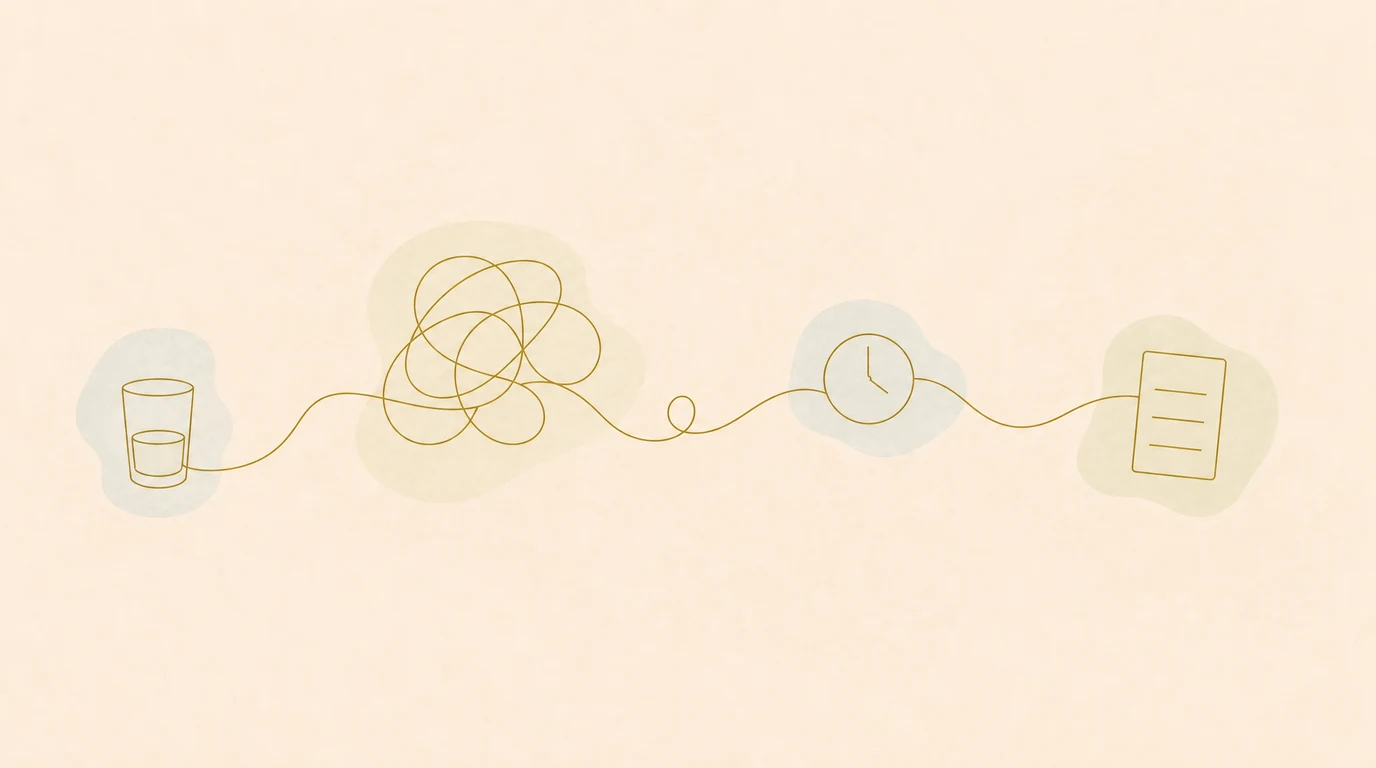
A holiday plan works best when it covers the full sequence: the days before, the event itself, the place you will sleep, and the morning after.
Key takeaways
- Plan each gathering as a separate event with its own arrival, drink, support, transport, and exit
- Keep meals, sleep, medication, and recovery support as stable as the schedule allows
- Change traditions that depend on alcohol while preserving the parts you value
- Prepare for family pressure, grief, conflict, travel delays, and long unstructured evenings
- A brief visit or separate celebration can protect both connection and recovery
Why holidays can change the drinking environment
Holiday drinking is shaped by availability, social permission, long meals, repeated toasts, time away from work, and the expectation that special occasions deserve a different rule. Some holidays also bring conflict, grief, financial stress, travel fatigue, or loneliness.
Research supports treating certain dates as distinct contexts. A study of 1,124 college students found elevated drinking on New Year's Eve and July 4 compared with ordinary days, although the sample was limited to students who had recently turned 21 (Neighbors et al., 2011). The result does not describe every family or person in recovery. It does show that event-specific planning can be more useful than assuming every day has the same risk.
Write down the exact holiday sequence:
- shopping, cooking, or travel days
- work parties and family gatherings
- the main meal or celebration
- overnight accommodation
- the quiet day after everyone leaves
The hardest moment may happen before the party, during a family argument, or after the event ends.
Decide which parts you will attend
An invitation does not require full attendance. You can choose:
- the meal without the late drinking
- the daytime activity, with the evening party left out
- one family gathering, with the others declined
- a hotel when the family home has open alcohol
- a short visit followed by another plan
- a separate alcohol-free celebration
Ask five questions about each event:
- What do I want from this gathering?
- When does alcohol usually become central?
- Can I leave without depending on someone else?
- Where will I sleep?
- Who will know my plan?
Skipping an event can be the appropriate choice. Staying connected through a phone call, breakfast, gift exchange, walk, or separate visit can preserve the relationship without accepting the highest-risk setting.
Make an if-then plan for predictable moments
Holiday situations often repeat. Turn the predictable moment into a prepared response:
- If a relative pours wine for everyone, then I will pick up my own drink and say, "No thanks, I'm staying with this."
- If dinner becomes tense, then I will step outside and message my support person.
- If people begin shots, then I will leave.
- If I feel restless after everyone goes to bed, then I will watch a saved film or call someone before sleeping.
- If my flight is delayed near an airport bar, then I will move to the gate and buy food.
A meta-analysis of 16 studies found that implementation intentions produced a small reduction in weekly alcohol consumption overall, with effects varying by sample and delivery method and no clear effect on heavy episodic drinking (Cooke et al., 2023). The evidence does not make an if-then plan sufficient by itself. It supports using specific responses as one part of a broader plan.
The alcohol triggers guide can help you identify the people, places, emotions, and times that belong in these plans.
Protect ordinary routines during an unusual week
Holidays can remove the daily structure that was supporting recovery. Preserve a few anchors:
- regular meals
- enough water
- medication at the usual time
- a realistic sleep window
- movement or time outside
- check-ins, meetings, therapy, or support calls
- a morning plan
Do not save all your energy for the main event. Travel, crowded homes, childcare, financial pressure, and poor sleep can make the next decision harder.
Pack what you need before leaving home. Include medication, chargers, headphones, snacks, alcohol-free drinks, support numbers, and transport details. If you use a recovery group or clinician, check holiday hours in advance.
Change alcohol-centered traditions
A tradition can keep its purpose while its alcohol component changes. Identify what the ritual was providing:
- a toast marked the beginning
- a particular drink signaled comfort
- mixing cocktails gave people a shared task
- wine accompanied cooking
- late-night drinking extended time together
- a drink helped avoid difficult conversation
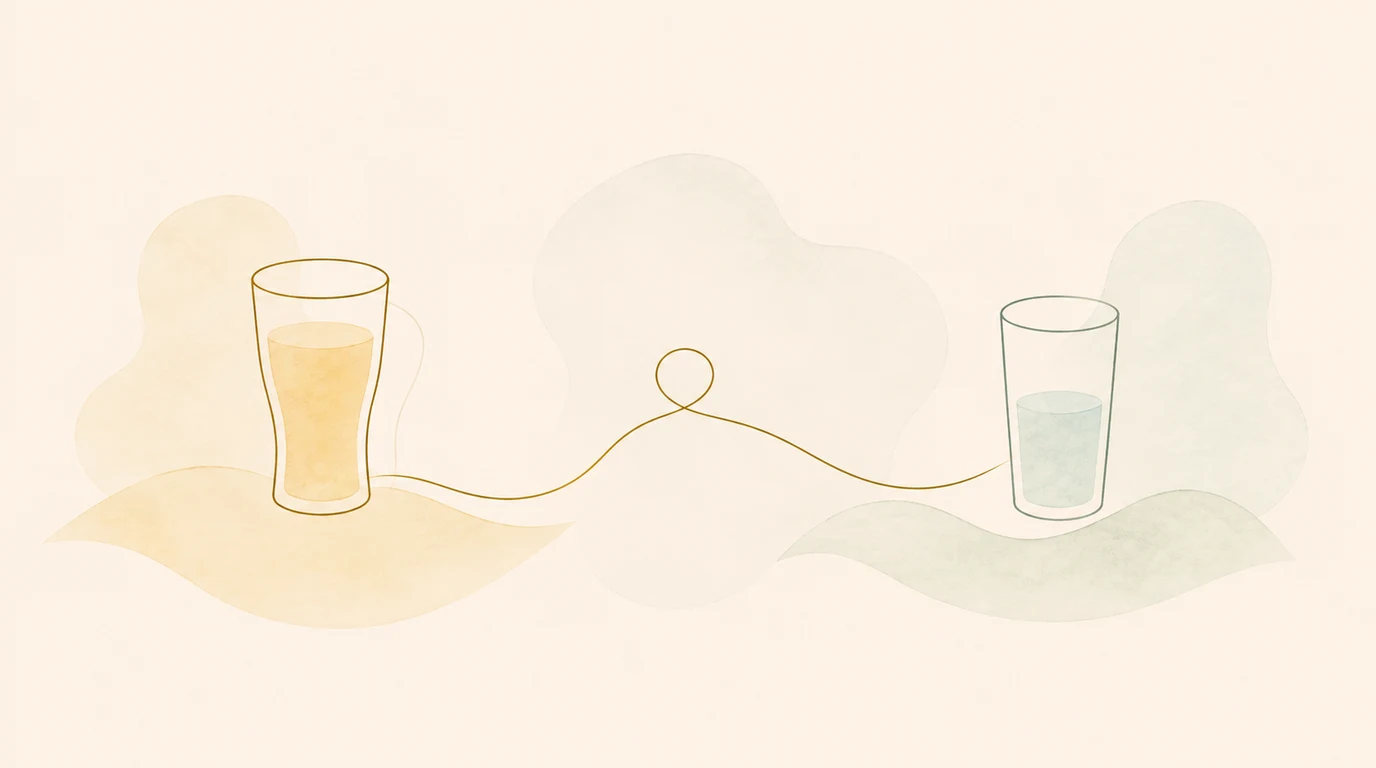
Replace the function directly. Use a different toast, make a special alcohol-free drink, cook a specific dish, take a walk after dinner, open gifts at another time, play a familiar game, or plan a morning activity.
Some people enjoy alcohol-free beer, wine, or spirits. Others experience them as strong cues. Choose based on your own response and the product label. The guide to non-alcoholic drinks in recovery covers that decision in detail.
Handle family pressure and old roles
Family gatherings can place you back into an older role. People may minimize your decision, recall past drinking, ask for details, or expect you to manage everyone else's feelings.
Prepare one boundary:
- "I'm not drinking. I'd rather talk about something else."
- "This is a health decision and I'm keeping the details private."
- "Please stop offering."
- "If this continues, I'm going to leave."
Tell a supportive relative before the event if they can redirect questions or keep alcohol away from your place. Sit near people who respect the choice. Avoid being trapped at the far end of a crowded table or in a car controlled by someone who plans to stay late.
In a 21-day study of 83 young adults, being around other people who were drinking and wanting to conform were associated with starting to drink and consuming more (O'Donnell et al., 2019). The population was young and the study was observational. It still illustrates how social context can affect behavior in real time.
The socializing without alcohol guide has additional refusal and exit scripts.
Plan travel and overnight stays
Travel reduces control over food, sleep, transport, and private space. Before leaving, decide:
- where alcohol will be stored
- whether you can have a private room
- how you will leave an event
- whether a hotel would be easier
- what you will do during delays
- which support is available across time zones
- when you will return home
Avoid driving after drinking and avoid riding with someone who has been drinking. Keep enough money or a charged phone for alternative transport.
If you are hosting, you can control more of the environment. Tell guests what you are serving, ask them to take leftover alcohol home, and set an end time. Hosting also creates work, so accept help and preserve time to eat and rest.
Make room for grief, conflict, and loneliness
Holidays can amplify absences and strained relationships. Plan for the emotion with a person, place, and action.
Examples:
- schedule a call before the gathering
- visit a meaningful place earlier in the day
- bring a photo or private ritual for grief
- stay elsewhere after a conflict-heavy event
- arrange breakfast with someone the next morning
- limit social media when it intensifies comparison
If isolation is the main difficulty, the loneliness after quitting alcohol guide offers a broader plan for rebuilding regular contact.
Seek urgent help if you may harm yourself or someone else. In the United States and Canada, call or text 988. Elsewhere, contact local emergency or crisis services.
Prepare the hours after the celebration
The event may end while you still feel tense, sad, or drawn to drink. Plan how you will wind down:
- remove yourself from leftover alcohol
- eat something simple and drink water
- message the person who knew your plan
- use a familiar calming activity
- go to bed at a planned time
- keep the next morning manageable
Avoid reviewing every conversation late at night. Record one useful observation and return to the rest after sleep.
If you drink, get home safely and use the alcohol slip or relapse guide when you are sober. Review the exact sequence and make one immediate change for the next event.
Build the next holiday from what you learn
After the holiday, note:
- which event was worth attending
- when the situation became harder
- who respected your boundary
- whether transport and accommodation worked
- which tradition still felt meaningful
- what you will change next time
A sober holiday can take a different shape from earlier celebrations. Keep the people and practices you value, shorten or replace the alcohol-centered parts, and build a schedule your recovery can actually tolerate.