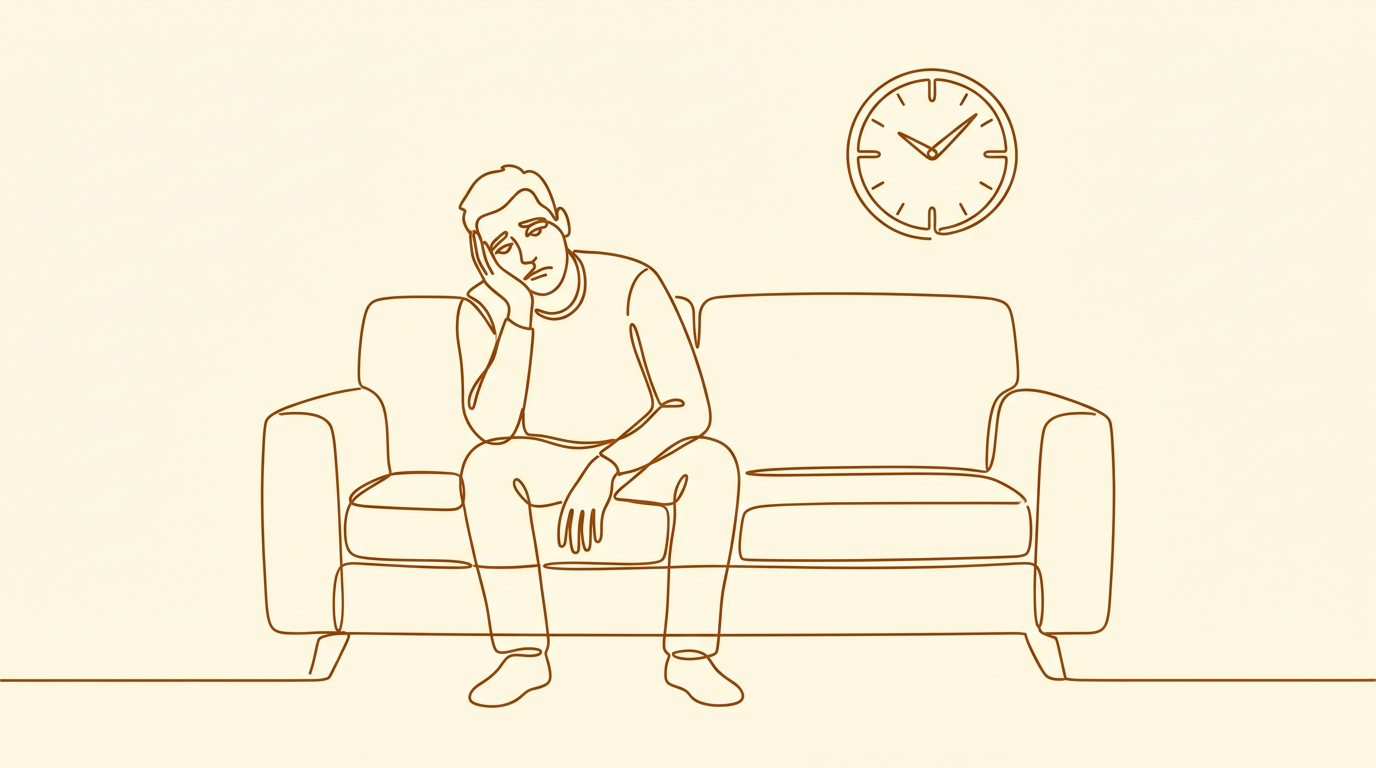
You get home after a date that went nowhere. Or you spend a weekend where the phone doesn’t ring once. Or you have a fight with someone you care about and the anger sits in your chest like a hot coal. And before you’ve even consciously decided anything, you’re reaching for porn.
Emotional triggers are some of the most powerful drivers of porn use. Unlike boredom or habit-based triggers, emotional triggers carry a charge; they come with pain that demands immediate relief. And porn, for a lot of people, has become the fastest painkiller they know.
This article breaks down how loneliness, rejection, and other emotional triggers drive porn use, and what you can do instead. For the full picture on triggers of all kinds, start with our complete guide to urges and triggers.
Key takeaways
- Emotional triggers carry a charge that demands immediate relief; porn becomes the fastest painkiller your brain knows
- The emotional regulation gap is the space between what you feel and your ability to process it without reaching for something external
- Porn doesn’t heal the emotion; it overrides it temporarily, and the feeling comes back worse with shame layered on top
- When triggered, reduce intensity first (physical reset), name the specific emotion, then meet the real need directly, even imperfectly
- Each time you respond to a difficult emotion without porn, you’re widening your emotional regulation capacity
How Emotions Become Porn Triggers
Every person has an emotional regulation system, a set of internal tools for processing difficult feelings. When that system is working well, you can feel loneliness without being destroyed by it. You can absorb rejection without spiraling. You can sit with sadness and let it pass.
But for many people, that system was never fully developed. Maybe you grew up in a household where emotions were dismissed or punished. Maybe you learned early that the way to deal with pain was to push it down. Maybe porn became your primary coping tool during adolescence, before you had a chance to build healthier ones.
The result is what you might call the emotional regulation gap: the space between the intensity of what you feel and your ability to process it without reaching for something external.
Porn fills that gap. It doesn’t heal the emotion; it overrides it. Dopamine and arousal temporarily drown out the pain, creating a window where you don’t have to feel what you were feeling. But the emotion is still there when you’re done. Often, it’s worse, because now shame is layered on top of it.
The Specific Emotional Triggers
Loneliness
Loneliness is one of the most common emotional triggers for porn use. Not just “I’m alone tonight” loneliness, but the deeper kind, the feeling that nobody really knows you, that you’re disconnected from the world, that something essential about human contact is missing from your life.
Porn offers a simulation of what’s missing. It mimics intimacy, eye contact, acceptance, desire. For a few minutes, your brain gets the chemicals that usually come from real connection. But the simulation leaves you emptier than before, because it highlights the gap between what you just experienced and what your actual life looks like.
The cruelest part: porn use often increases loneliness over time. It replaces the motivation to seek real connection. It creates shame that makes you withdraw further. It feeds the cycle it promises to break.
Rejection
Rejection (romantic, social, professional) creates a specific kind of pain. It tells your brain: “You’re not enough.” And the brain’s immediate response is to seek proof that you are enough, or at least to escape the message.
Porn is a guaranteed acceptance. Nobody on screen rejects you. There’s no risk of vulnerability, no possibility of being found lacking. For someone stinging from rejection, that’s incredibly appealing.
But porn after rejection reinforces the belief that you can’t handle the feeling. It teaches your brain that rejection is unbearable and must be escaped. Over time, this makes you more sensitive to rejection, not less.
Sadness and Grief
Sadness slows everything down. It’s heavy, low-energy, and it doesn’t feel like it will ever lift. Porn is one of the few things that can override sadness without requiring any energy; you don’t have to get off the couch, talk to anyone, or do anything difficult.
This is why people often relapse during grief, loss, or depressive episodes. The emotional weight is real, and the usual alternatives (exercise, socializing, hobbies) feel impossible when you’re barely functional.
Anger and Frustration
Anger is high-energy and wants an outlet. It creates a state of arousal (not sexual arousal, but physiological activation). Your heart rate increases, your muscles tense, your brain is looking for a release valve.
Porn can function as that release valve, channeling the energy into a different kind of arousal. Many people don’t even realize they’re using porn to manage anger until they start tracking their triggers.
The Shame Spiral
After any of the emotions above trigger a relapse, shame enters the picture. And shame is itself one of the most potent emotional triggers, creating a loop where the consequence of one relapse becomes the cause of the next.
We’ve written a dedicated article on this pattern: Quitting Porn Without Shame.
Why “Just Feel Your Feelings” Isn’t Enough
You’ve probably heard the advice: just sit with the emotion. Let it pass. Feel your feelings.
That advice isn’t wrong, but it’s incomplete, especially early in recovery, when the emotional regulation gap is still wide. Telling someone with a broken leg to “just walk” isn’t helpful. The capacity to sit with intense emotions is a skill that needs to be built gradually.
Here’s a more realistic approach:
Step 1: Reduce the Intensity First
When an emotional trigger hits, the first priority is bringing the intensity down to a manageable level. Not eliminating the emotion, just turning the volume from a 9 to a 6.
Physical resets are the fastest way to do this. Cold water on the face, intense exercise, slow breathing. These work at the nervous system level, bypassing the mental negotiation entirely.
Step 2: Name What You’re Actually Feeling
Once the intensity is lower, get specific. “I feel bad” isn’t useful. Try:
- “I feel lonely because I spent the whole weekend alone.”
- “I feel rejected because she didn’t text back.”
- “I feel angry because my boss dismissed my idea in front of everyone.”
- “I feel sad because I miss how things used to be.”
Specificity matters because it turns a vague emotional storm into a concrete experience you can examine and respond to.
Step 3: Meet the Need Directly (Even Imperfectly)
Each emotional trigger points to an unmet need. Loneliness points to a need for connection. Rejection points to a need for validation or belonging. Sadness points to a need for comfort. Anger points to a need for agency or respect.
Porn can’t meet any of these needs. It can only mimic them temporarily. The work of recovery includes building alternative pathways to meet those needs for real:
- For loneliness: Call someone. Go somewhere with people. Even a coffee shop where you’re around others helps. If you don’t have close relationships, building them is one of the most important things you can do for recovery, and it’s a process, not an overnight fix.
- For rejection: Write down three things that are true about your value that have nothing to do with the person who rejected you. Talk to someone who sees you clearly. Remind yourself that rejection is information, not identity.
- For sadness: Let yourself be sad without trying to fix it. Cry if you need to. Write about it. Talk about it. The goal isn’t to make the sadness disappear; it’s to grieve without numbing.
- For anger: Move your body hard. Intense exercise is one of the healthiest anger outlets. Write an unsent letter. Hit a pillow. Find a way to discharge the energy without directing it at yourself or someone else.
Step 4: Build the Capacity Over Time
Each time you experience a difficult emotion and respond to it without porn, you’re widening your emotional regulation capacity. The gap gets smaller. The skills get stronger.
This is not linear. You’ll have setbacks. There will be days when the emotion wins and you relapse. That’s not failure; it’s the learning process. What matters is what you do after: go to Quitting Porn Without Shame if shame is threatening to pull you into a spiral.
When You Need More Support
Emotional triggers (especially loneliness, rejection, and grief) sometimes point to needs that go beyond self-help articles. If you’re dealing with:
- Persistent depression or anxiety
- Trauma from childhood or past relationships
- Deep social isolation with no close relationships
- Grief that isn’t moving or processing
Consider talking to a therapist, counselor, or support group. This isn’t a sign of weakness. It’s recognizing that some emotional work needs another person in the room.
Your Emotions Are Not the Enemy
Here’s the reframe that makes all of this possible: your emotions are not the problem. They’re signals. Loneliness is telling you that connection matters. Rejection is asking you to reassess your sense of worth. Sadness is honoring something that was lost.
Porn silences those signals. Recovery means learning to hear them again, and responding with something real.
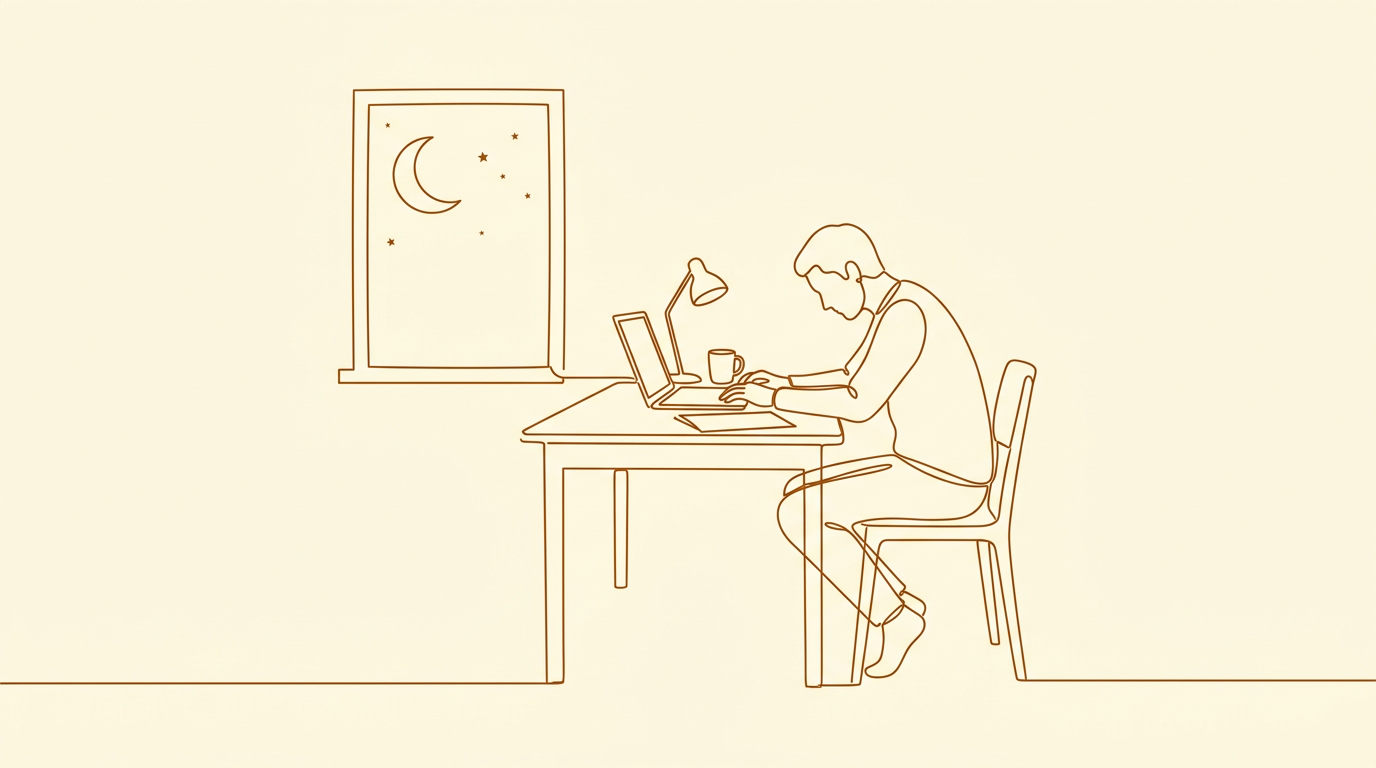
For the broader framework on handling any trigger, go back to Urges and Triggers: The Complete Guide. If your emotional triggers tend to hit at night, read Late-Night Urges for specific strategies.