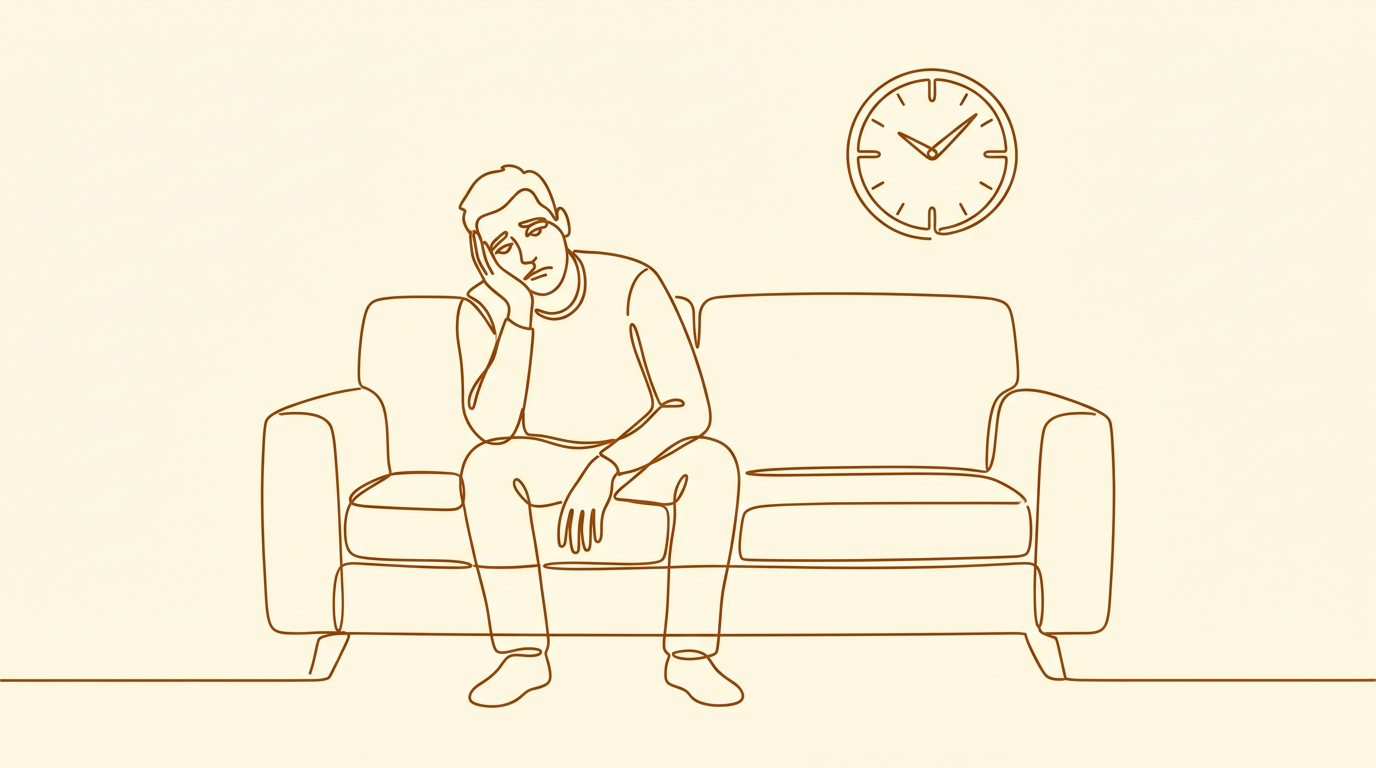
You made it through a brutal week. Deadlines, conflict at work, bad sleep, no time for yourself. By Friday evening you’re running on fumes. And then, almost without choosing it, you relapse.
The next morning, you feel worse than before, now the exhaustion is compounded by shame, frustration, and the familiar question: Why do I keep doing this?
Here’s the answer that might change how you approach recovery: you didn’t relapse because you’re weak. You relapsed because you were depleted, and you had no plan for what depletion does to your defenses.
Stress and exhaustion are among the most reliable porn triggers. This article explains why, and gives you a framework for protecting your recovery on the days when you have the least capacity to protect it. For the broader picture, read our complete guide to urges and triggers.
Key takeaways
- Stress and exhaustion lower every defense you have: impulse control drops, reward sensitivity spikes, and emotional regulation weakens
- “Just reduce stress” isn’t realistic; the real question is how to protect your recovery during unavoidable hard periods
- Pre-load your recovery plan: make decisions before you’re depleted so stressed-you doesn’t have to figure anything out in real time
- On hard days, use the minimum viable plan: phone in another room by 9 PM, one physical reset, one honest sentence in a journal
- Build long-term stress resilience through consistent sleep, regular movement, social connection, and margins in your schedule
How Stress Breaks Down Your Defenses
When you’re stressed, your brain shifts into survival mode. The prefrontal cortex (the part responsible for long-term planning, impulse control, and rational decision-making) gets less blood flow and less priority. Meanwhile, the limbic system (the reactive, emotional, reward-seeking part) takes over.
This isn’t a metaphor. It’s measurable neurology. Under chronic stress:
- Impulse control drops. The part of your brain that says “I know this isn’t a good idea” gets quieter.
- Reward sensitivity increases. Your brain becomes more responsive to quick dopamine hits because it’s desperate for relief.
- Emotional regulation weakens. Feelings that you could normally manage (frustration, sadness, anxiety) become overwhelming.
- Decision fatigue accelerates. Every decision costs more cognitive energy, and you burn through your daily supply faster.
The result: by the end of a stressful day, the version of you making decisions is not the version of you who set goals on a clear Sunday morning. It’s a depleted, reactive version that’s looking for the fastest exit from discomfort.
And porn is fast.
The Exhaustion Factor
Exhaustion compounds everything stress does, and adds its own problems:
- Physical fatigue reduces cognitive function. Sleep deprivation has effects similar to being mildly intoxicated; your judgment, self-control, and ability to think ahead are all impaired.
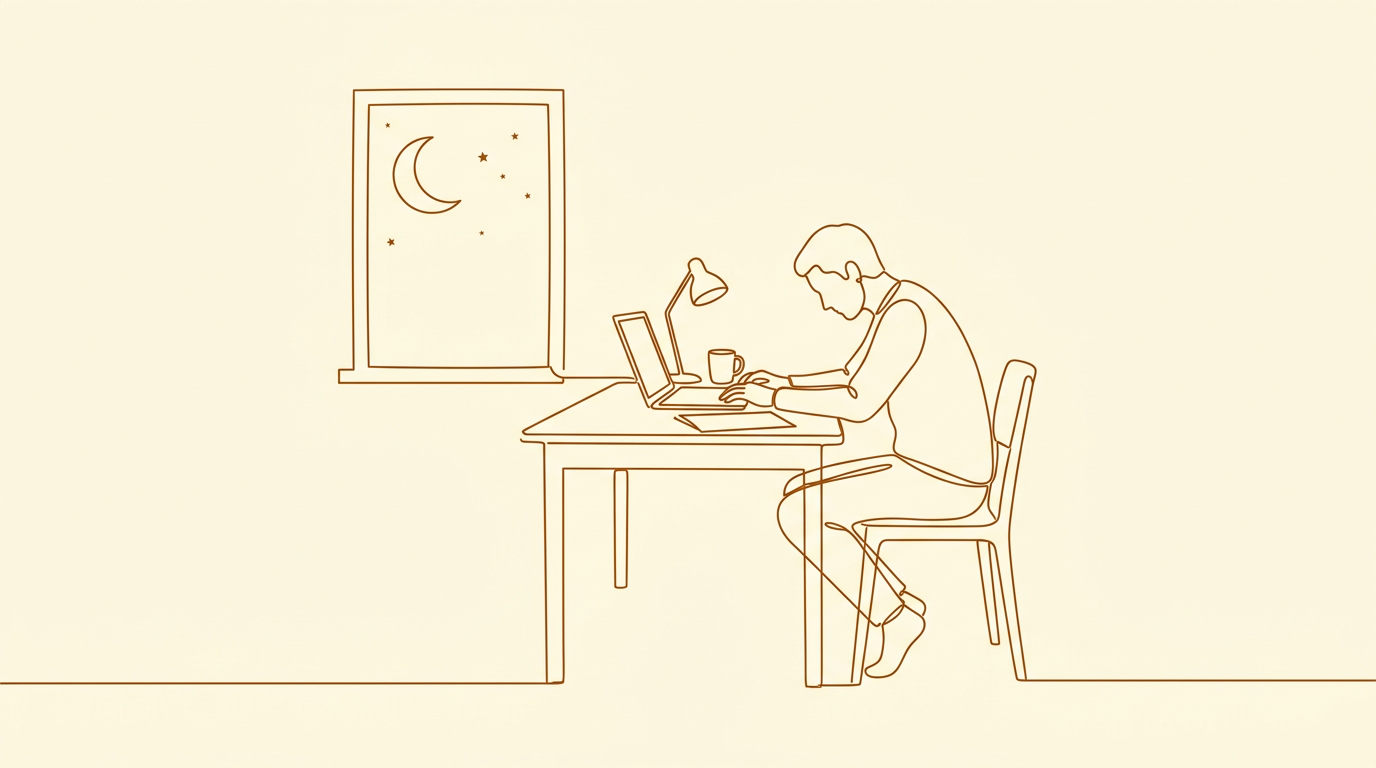
- Emotional exhaustion makes everything feel urgent. When you’re running on empty, small discomforts feel unbearable. An urge that you could normally ride out suddenly feels like the only thing in the world.
- Exhaustion kills motivation for alternatives. When you’re drained, even simple alternatives (going for a walk, calling a friend, doing a breathing exercise) feel like they require more energy than you have.
This is why the “just do something else” advice fails so badly for stressed and exhausted people. You’re not in a state where willpower and effort are available. You need strategies that work without requiring much from you.
Why “Just Reduce Your Stress” Isn’t the Answer
Yes, managing stress is important for long-term recovery. But telling someone in the middle of a stressful season to “just reduce stress” is like telling someone drowning to “just swim to shore.” The stress is often not optional; it comes from work demands, financial pressure, relationship difficulties, health issues, or caregiving responsibilities.
The real question isn’t “how do I eliminate stress?” It’s “how do I protect my recovery during stress?”
That requires a different approach: pre-loading.
Pre-Loading: Building Your Plan Before You Need It
Pre-loading means making recovery decisions before the stressful moment arrives, so that depleted-you doesn’t have to figure anything out in real time.
Identify Your Stress Patterns
You probably know when stress is coming. Certain weeks, certain seasons, certain recurring situations. Map your stress patterns:
- What times of year are hardest? (Tax season, holiday season, work deadlines)
- What recurring situations drain you? (Conflict with a specific person, long commutes, weekly meetings)
- What are the early signs that you’re entering a danger zone? (Poor sleep, irritability, skipping meals, withdrawing from people)
When you see those signs, it’s time to activate your pre-loaded plan, not after the relapse, but before.
Lower the Bar for Hard Days
On normal days, your recovery plan might include journaling, exercise, meal prep, and a wind-down routine. On hard days, that’s too much.
Create a “minimum viable recovery” plan, the absolute baseline that keeps you on track when you have nothing left:
- Phone in another room by 9 PM. No exceptions on hard days. This is the single most protective action because it removes access.
- One physical reset. Not a full workout, just a cold splash on your face or 10 push-ups. Something that takes 60 seconds.
- One honest sentence in a journal or note. “Today was brutal. I’m exhausted. I’m not going to use porn tonight.” Writing it makes it real.
That’s it. Three things. On your worst days, this is enough.
Pre-Commit to the Hard Evenings
If you know a stressful evening is coming, make a specific decision before it arrives:
“Tonight I’m going to eat dinner, take a shower, read for 20 minutes, and go to bed by 10:30. No phone after 9.”
This works because the decision happens when your prefrontal cortex is still functional. By the time evening arrives and your willpower is gone, the plan is already set. You don’t have to decide; you just have to follow.
For detailed evening strategies, see Late-Night Urges.
Set Up Environmental Barriers
When willpower is low, environment matters more than intention. Pre-load your environment:
- Move the phone charger to a different room
- Set up content blockers before the hard week starts
- Have a specific book or activity ready in the spot where you usually relapse
- Tell someone you trust that you’re heading into a hard stretch
These aren’t about restricting yourself. They’re about building a physical environment that supports the version of you who doesn’t want to use porn, because that version won’t be available to make decisions in the moment.
Recovery Strategies for Acute Stress
When stress hits and the urge arrives, you need strategies that don’t require energy or willpower.
The Five-Minute Delay
Tell yourself: “I’ll wait five minutes.” Not “I’ll never do it,” just five minutes. During those five minutes, do one thing: change your physical state. Stand up. Go to a different room. Splash cold water on your wrists. Step outside.
The urge usually starts losing power within the first five minutes. If it doesn’t, set another five-minute timer and use the urge surfing technique.
The Stress Discharge
Stress creates physical tension that your body wants to release. Porn is one release valve. There are others that work just as well and don’t leave you feeling worse:
- Intense physical movement. Even 2 minutes of jumping jacks, burpees, or sprinting in place.
- Cold exposure. Cold water triggers a stress response reset. It’s uncomfortable, but it works.
- Loud exhales. Stand up, inhale deeply, and exhale hard with a “haaa” sound, like you’re fogging a mirror. Do this 10 times. It sounds silly. It works.
- Shake it out. Literally shake your hands, arms, and legs for 60 seconds. Animals do this after a stressful event to discharge adrenaline. It works for humans too.
The Permission to Rest
Sometimes the stress is so heavy that the only real answer is rest. Not distraction, not productivity, not even recovery work, just rest.
Give yourself permission to go to bed early. To cancel plans. To eat comfort food without guilt. To do nothing useful for an evening.
The trap is believing that you need to earn rest or that rest is laziness. Rest during a high-stress period is a recovery strategy. It reduces the depletion that makes relapse likely.
Long-Term Stress Management for Recovery
While pre-loading handles the acute moments, long-term recovery benefits from reducing your baseline stress level. This isn’t about eliminating stress; it’s about building a life that doesn’t run at redline every day.
A few high-impact changes:
- Sleep. Consistent sleep is the single most powerful thing you can do for stress resilience and impulse control. Even adding 30 minutes per night makes a measurable difference.
- Physical movement. Regular exercise reduces cortisol, improves mood, and builds stress capacity. It doesn’t have to be intense; walking counts.
- Social connection. Isolation amplifies stress. Having people you can be honest with (about recovery and about life in general) creates a buffer. See Loneliness, Rejection, and Emotional Triggers.
- Margins. If every hour of your day is scheduled, you have no capacity for the unexpected. Build margins (buffer time with nothing planned) so that surprises don’t immediately push you into depletion.
The Hard Days Are Not Exceptions
Here’s the mindset shift: hard days aren’t interruptions to your recovery plan. They are your recovery plan. If your plan only works when you feel good, rested, and motivated, it doesn’t work at all.
Build your recovery around your worst days, not your best ones. Pre-load for stress. Lower the bar when you need to. Protect the evening. Use the minimum viable plan.
You don’t need to perform recovery perfectly during a hard week. You just need to get through it without giving the old pattern new fuel.
For the full framework on handling urges of all kinds, go back to Urges and Triggers: The Complete Guide.