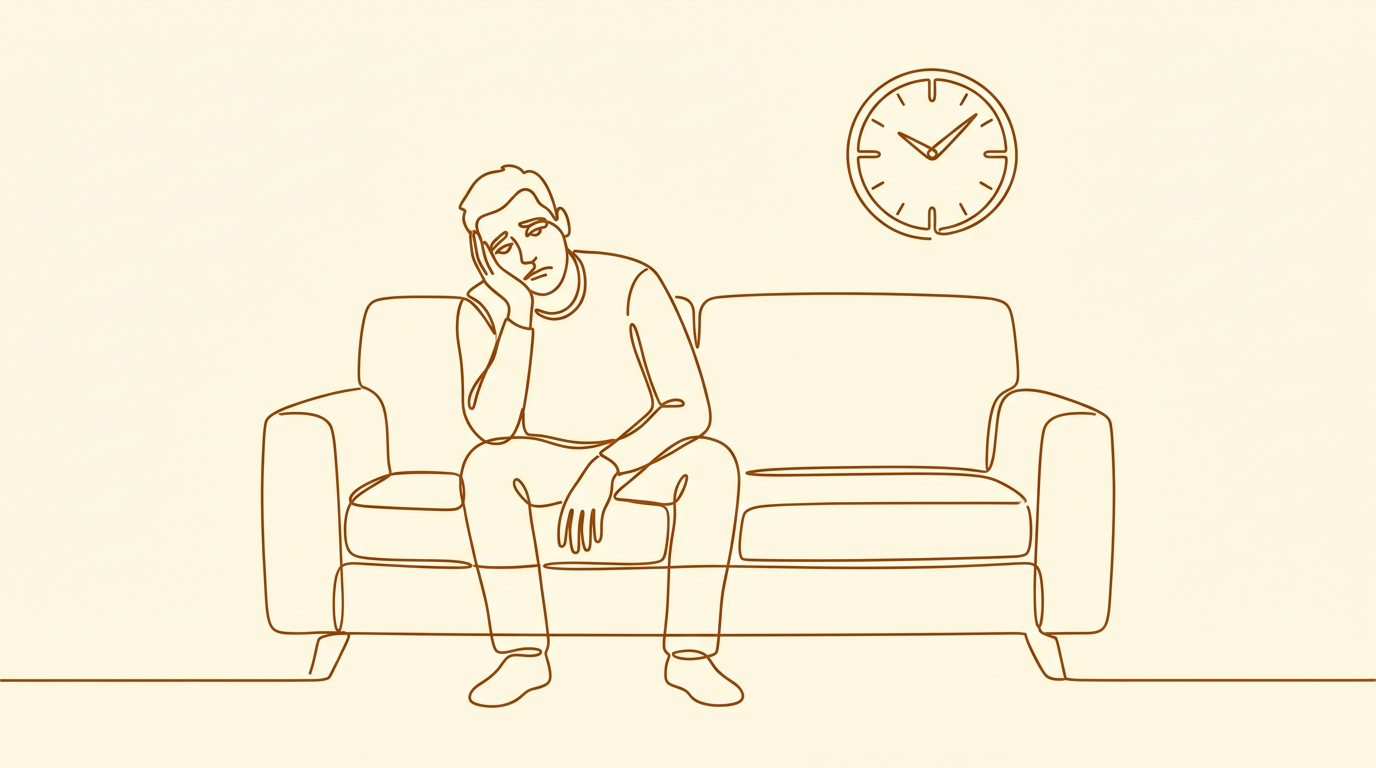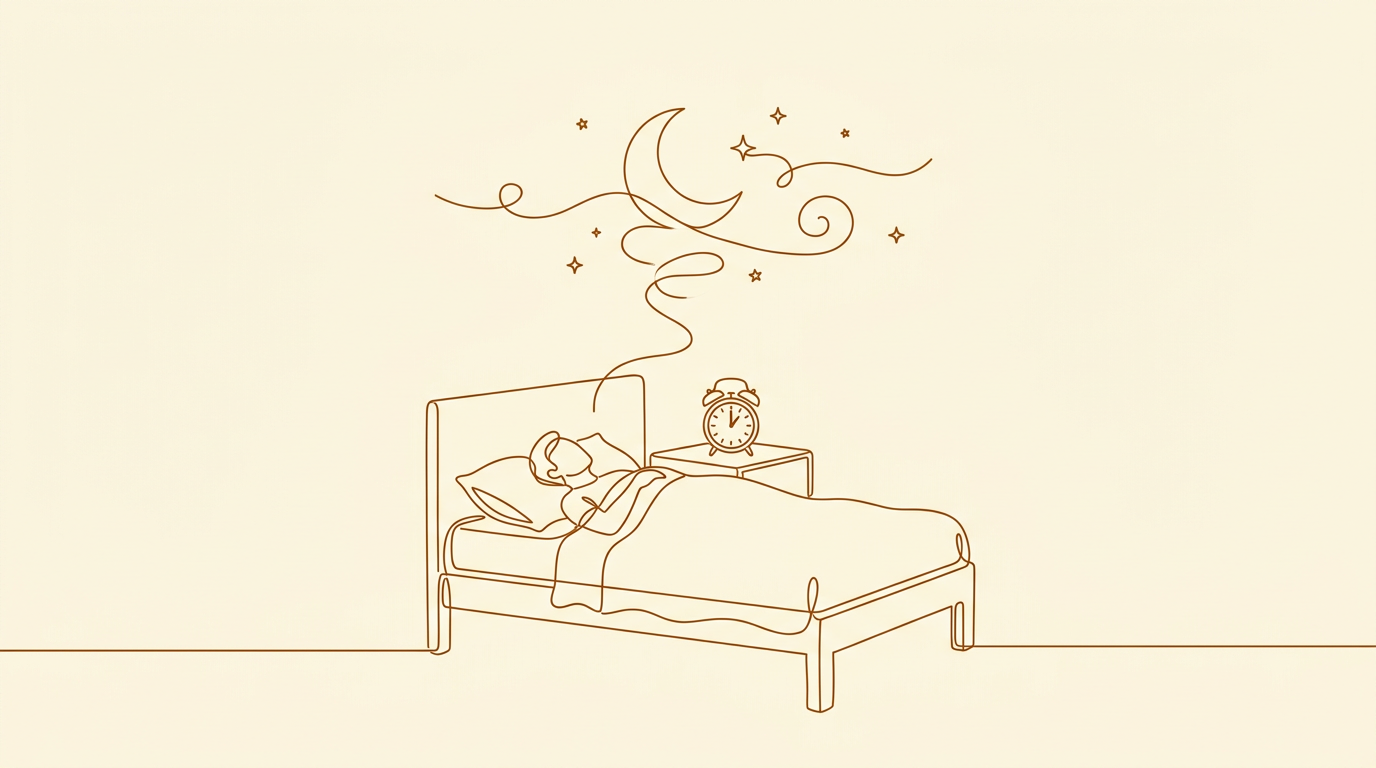
It’s 11:30 PM. You’re in bed, lights off, phone in hand. The day is over and there’s nothing left to distract you. Your brain whispers the familiar suggestion. And in that moment, every reason you had for quitting feels impossibly far away.
If most of your relapses happen at night, you’re not alone. Late-night porn urges are the most common relapse window, by a wide margin. Not because you’re weak at night, but because nighttime creates a perfect storm of conditions that make urges almost inevitable.
This article is part of our complete guide to urges and triggers. Here, we focus specifically on what makes nighttime so hard and what you can do about it.
Key takeaways
- Late-night porn urges are the most common relapse window, driven by depleted willpower, lost structure, loneliness, and phone access in bed
- A phone curfew is the single most effective change: after a set time, the phone goes in another room behind a closed door
- Build a wind-down sequence that bridges the gap between your last activity and sleep: screens off, calming activity, prep for tomorrow
- Have a nighttime emergency protocol ready: get out of bed, turn on a light, do a physical reset, ride the urge for 15 minutes
- The first two weeks of a new nighttime routine are the hardest; after that, the pattern weakens significantly
Why Night Is the Hardest Time
There isn’t one reason. There are several, and they stack on top of each other.
Willpower Depletion
Every decision you make during the day draws from a limited pool of self-control. By evening, that pool is drained. You’ve spent the day making choices (what to eat, how to respond to emails, whether to speak up in a meeting), and by 10 PM, your ability to say “no” to anything is at its lowest point.
This is not a character flaw. It’s how the brain works. Decision fatigue is real, measurable, and it hits hardest at the end of the day.
Loss of Structure
During the day, your schedule creates a natural barrier against porn use. Work, errands, social obligations, meals. These fill the hours and give your brain something to focus on. At night, the structure disappears. There’s a gap between the last activity and sleep, and that gap is where most relapses live.
Loneliness and Isolation
Nighttime is often when loneliness hits hardest. The world goes quiet. Other people are asleep or unavailable. You’re alone with your thoughts, and for many people, that’s the most uncomfortable place to be.
Porn offers simulated intimacy, the illusion of connection in a moment when real connection isn’t available. If loneliness is a major factor for you, read Loneliness, Rejection, and Emotional Triggers for a deeper look.
The Phone-in-Bed Problem
For most people, the phone is the access point. And the phone is usually the last thing they touch before sleep. The combination of being in bed, in the dark, alone, with unlimited access creates a scenario where the path of least resistance leads directly to porn.
The “Can’t Sleep Without It” Trap
Some people have used porn as a sleep aid for so long that their brain now associates the two. The thought process is: “I need to release tension to fall asleep.” This creates a genuine sleep disruption when you stop, not because porn actually helps you sleep, but because your brain expects the routine.
The good news: this association breaks faster than you’d think. Most people report improved sleep within two to three weeks of stopping, once their brain finds a new wind-down pattern.
Building an Evening Routine That Protects You
The solution to nighttime urges isn’t more willpower. It’s less opportunity. You need to restructure your evening so the conditions that lead to relapse don’t come together.
Set a Phone Curfew
This is the single most effective change you can make. Pick a time (9 PM, 10 PM, whatever works), and after that time, the phone goes in another room. Not on the nightstand. Not face-down on the bed. In another room, plugged in, behind a closed door.
If you use your phone as an alarm, buy a $10 alarm clock. This one change eliminates the access that makes nighttime relapse so easy.
Create a Wind-Down Sequence
Your brain needs a bridge between “day” and “sleep.” Without one, the gap fills with restlessness and craving. A wind-down sequence gives the evening structure and signals to your brain that it’s time to transition.
A simple sequence:
- Stop screens 30–60 minutes before bed. Phone away, laptop closed.
- Do one calming activity. Read a physical book, stretch, take a warm shower, journal.
- Prepare for tomorrow. Lay out clothes, review your schedule, write a brief to-do list. This gives your brain a sense of closure on the day.
- Get into bed only when you’re ready to sleep. If you’re not tired, stay up doing something calm in another room. The bed is for sleep.
Have an Emergency Protocol
Even with a good routine, there will be nights when an urge breaks through. You need a plan for those moments that doesn’t require thinking or decision-making.
The Nighttime Emergency Protocol:
- Get out of bed. Physically stand up. The bed is the trigger zone: leave it.
- Turn on a light. Darkness amplifies the urge. Light breaks the spell.
- Do a physical reset. Splash cold water on your face. Do ten push-ups. Step outside for 60 seconds of cold air. See Physical Resets That Interrupt Urges for more options.
- Set a 15-minute timer. Sit somewhere that isn’t your bed and ride the urge out. It will peak and pass. Read our urge surfing guide for the full technique.
- Go back to bed only when the urge has passed.
This protocol works because it changes everything about the situation: your location, your physical state, the lighting, the time pressure. It’s hard for the urge to survive when every condition that created it has shifted.
Addressing the Deeper Nighttime Patterns
The tactical stuff (phone curfews, routines, emergency protocols) will handle most nighttime relapses. But some people find that nights are hard because of something underneath the habit.
If You’re Using Porn to Avoid Your Thoughts
When the day stops and the noise fades, whatever you’ve been avoiding comes forward. For some people, the urge to watch porn at night isn’t really about arousal; it’s about not wanting to be alone with their own mind.
If this resonates, the first step is acknowledging it. The second step is finding a gentler way to process what comes up at night. Journaling before bed (even three sentences about what you’re feeling) can reduce the pressure significantly.
If You’re Exhausted but Wired
This is a stress pattern. Your body is tired but your nervous system is still in overdrive. You can’t relax, you can’t sleep, and porn seems like the fastest off-switch.
The real issue is that you haven’t transitioned out of fight-or-flight mode. A warm shower, progressive muscle relaxation, or slow breathing exercises (inhale for 4 counts, hold for 4, exhale for 6) can bring your nervous system down. For more on the stress-relapse connection, read Stress, Exhaustion, and Lowered Defenses.
If Nights Are Lonely
This one takes more than a routine to fix. If nighttime loneliness is a major trigger, it points to a relational need that isn’t being met during the day. That doesn’t mean you need a partner; it means you need real connection somewhere in your life.
Start small. A phone call with a friend in the evening. A recurring social commitment once a week. Anything that puts genuine human contact into the hours before you’re alone in the dark.
The First Two Weeks Are the Hardest
If you’re just starting to change your nighttime routine, expect it to feel uncomfortable. Your brain will resist the new pattern because the old one was efficient and rewarding. You might sleep worse for a few days. You might feel restless and irritable.
This is withdrawal, and it’s temporary. Most people find that within two weeks, the new routine starts to feel normal. Within a month, the nighttime urge pattern has significantly weakened.
Hold the line during those first two weeks. Use the emergency protocol as many times as you need to. It’s not about perfection; it’s about not giving the old pattern any new fuel.
The Night Can Become Your Ally
This might sound strange right now, but many people who are further in recovery report that nighttime becomes one of their best hours. Once the craving is gone, the quiet and solitude that used to be dangerous become restorative.
But that only happens if you’re willing to go through the discomfort of rewiring the pattern first.
Start tonight. Put the phone in another room. See what happens. And if the urge shows up anyway, get out of bed, turn on the light, and ride it out. You already know it’s going to pass.
For the full framework on how to handle any urge, go back to Urges and Triggers: The Complete Guide.