You’ve probably heard that porn “floods your brain with dopamine.” That’s true, but it’s only a fraction of the story. If dopamine were the whole picture, you’d just feel a rush and move on. What actually happens is far more disruptive.
Porn doesn’t just spike one chemical. It hijacks your entire motivation system: the network of brain regions that decides what matters, what’s worth doing, and whether you have the energy to do it. That’s why the damage shows up not just as craving, but as brain fog, apathy, decision fatigue, and the strange inability to care about things you know you care about.
Key takeaways
- Porn hijacks your full motivation system, not just dopamine, affecting focus, drive, decision-making, and emotional regulation
- Your prefrontal cortex (the brain’s CEO) gets depleted by every session and weakened over time, reducing your ability to plan, focus, and follow through
- The “motivation budget” effect means porn eats up the motivational energy your brain would normally allocate to work, exercise, relationships, and goals
- Decision fatigue from porn use creates a cognitive tax that follows you through your entire day, even when you’re not thinking about porn
- Recovery is real: the prefrontal cortex rebuilds, dopamine sensitivity returns, and motivation comes back, often within weeks of stopping
The Motivation System Is Bigger Than Dopamine
When people talk about porn and the brain, they usually stop at dopamine. Dopamine goes up, you feel good, you want more. But your motivation system is an entire network, and dopamine is just the messenger.
The key players:
The reward circuit (nucleus accumbens, ventral tegmental area) evaluates incoming signals and assigns value. It answers the question: “Is this worth pursuing?” When porn floods this system, it teaches your brain that nothing else is as worth pursuing. Not your career. Not your fitness. Not your relationships. The reward circuit has been recalibrated around an artificially intense stimulus.
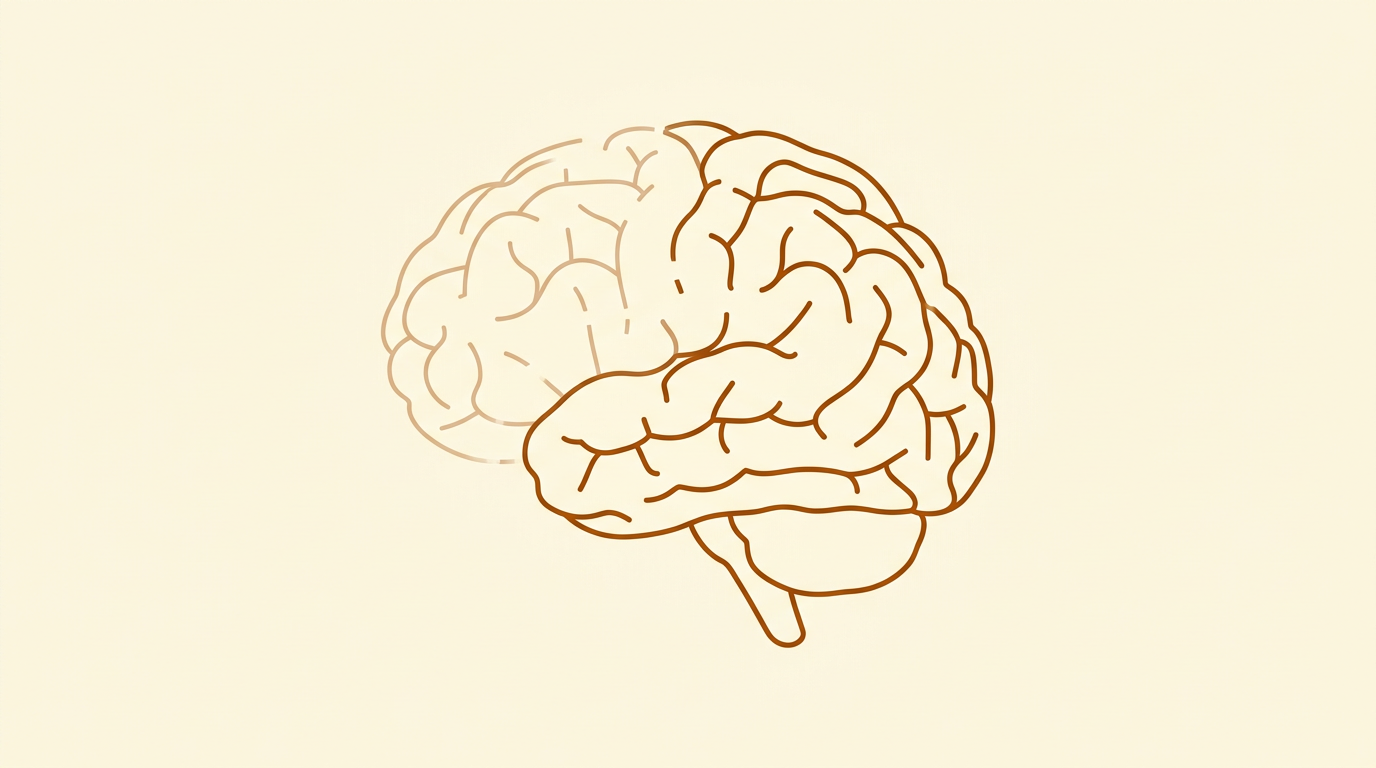
The prefrontal cortex sits behind your forehead and handles executive function: planning, focus, impulse control, and long-term decision-making. Think of it as your brain’s CEO. It’s supposed to override the reward circuit when the reward circuit makes short-sighted demands. But porn weakens this override in two ways: acutely (each session depletes it) and chronically (heavy use reduces its gray matter volume over time).
The anterior cingulate cortex monitors conflicts between what you want to do and what you should do. When this region is fatigued, you stop noticing the conflict. You don’t even fight the urge because your brain has stopped flagging it as a problem.
The insula processes internal body signals and emotional states. It’s involved in craving: that gut-level pull toward something before you’ve consciously decided anything. Porn sensitizes the insula to porn-related cues, making cravings feel physical and automatic.
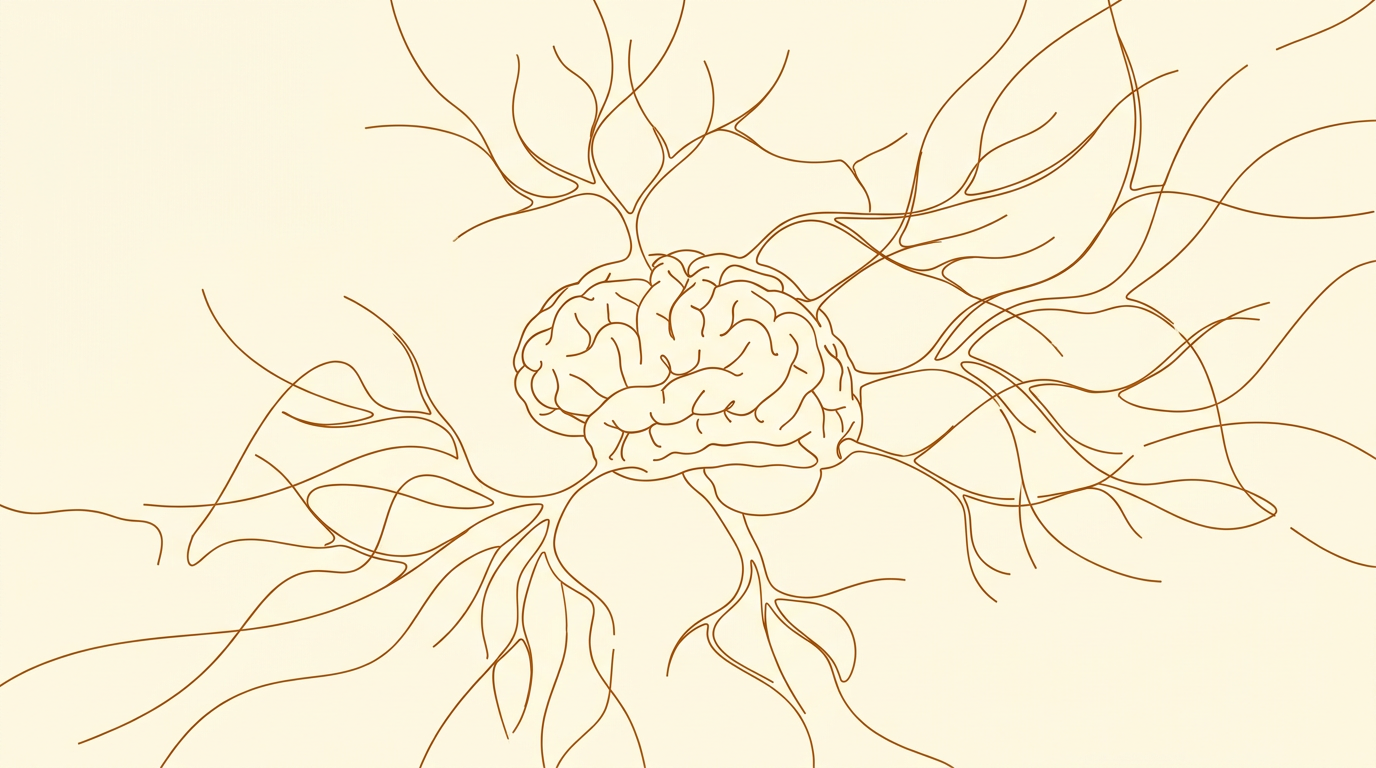
These regions don’t work in isolation. They form a circuit, and porn disrupts the entire circuit, not just one node.
For the foundational neuroscience on how dopamine and desensitization work, see How Porn Rewires Your Brain.
How Porn Creates Brain Fog
Brain fog is one of the most common complaints from people who use porn heavily, and one of the first things to lift when they stop. It’s not imaginary. It has a clear neurological basis.
Prefrontal Cortex Fatigue
Every porn session is a workout for your prefrontal cortex, in the worst way. It has to manage competing impulses (keep going vs. stop), process the guilt or shame that often accompanies use, make rapid decisions (click, scroll, search, switch), and then re-engage with whatever you were supposed to be doing afterward. All of that drains the same cognitive resources you need for focused work, conversation, and creative thinking.
After a session, your prefrontal cortex is exhausted. It’s like trying to write a detailed report after running a marathon. The hardware is there, but the energy isn’t.
Dopamine Crash
Dopamine doesn’t just spike during porn use. It crashes afterward, dropping below your normal baseline. This isn’t a subtle dip. It’s the reason many people feel flat, empty, or apathetic in the hours after watching porn. In that depleted state, concentrating on anything feels like pushing a boulder uphill.
Attention Fragmentation
Porn trains your brain to switch rapidly between stimuli. Click, new tab, new video, new genre, back, forward, search. This rapid-switching pattern doesn’t stay contained to your porn use. It bleeds into how you work, read, and think. You find yourself unable to stay on one task, constantly checking your phone, or losing your train of thought mid-sentence.
This is not an attention disorder. It’s an attention habit created by training your brain to expect constant novelty. The good news is that it reverses once you stop feeding the pattern.
Your Brain’s “Motivation Budget”
Here’s a concept that explains a lot of the apathy and flatness people experience: your brain operates on something like a motivational budget.
Your dopamine system doesn’t have unlimited resources. It allocates motivational energy based on what it expects to be rewarding. When porn is in the mix, it dominates the budget. Your brain “knows” (through repeated experience) that porn delivers a massive, reliable, effortless reward. So it allocates less motivation toward everything else.
This is why you can feel completely unmotivated to go to the gym, start a project, or call a friend, but suddenly feel a surge of energy and focus when the urge to watch porn appears. It’s not that you’re lazy. Your brain is rationing motivation, and porn is getting the lion’s share.
This allocation isn’t conscious and you can’t override it with self-talk. It’s a learned pattern in the reward circuit that changes only when the reward landscape changes (when porn is no longer in the picture).
If you’ve been noticing a general flatness or loss of interest in things you used to enjoy, this motivational reallocation is likely a major factor. It’s also closely connected to the emotional numbness discussed in Porn Addiction and Depression.
Decision Fatigue: The Hidden Tax
Most people think of porn as something that affects them during or right after a session. But one of its most damaging effects happens throughout the day, even when you’re not watching.
When you’re trying to quit (or just trying to cut back), your prefrontal cortex is constantly doing extra work. It’s monitoring for triggers, suppressing urges, negotiating with cravings, and managing the emotional weight of the whole situation. This is an enormous cognitive tax, and it creates decision fatigue that affects everything else.
You snap at a coworker over something minor. You can’t decide what to have for dinner, so you order junk food. You sit down to work on an important project but end up scrolling social media for an hour. These aren’t separate problems. They’re all downstream effects of a prefrontal cortex that’s been overtaxed by managing a compulsive behavior pattern.
This is one reason why willpower alone doesn’t work. It’s not that you lack willpower. It’s that the constant internal battle against porn cravings consumes so much of it that there’s nothing left for the rest of your life.
The Motivation-Relapse Loop
The motivation effects of porn create a vicious cycle:
- You use porn. Dopamine spikes, then crashes. Prefrontal cortex gets depleted.
- You feel unmotivated and foggy. Work suffers. Goals feel pointless. Social interaction feels draining.
- The lack of progress creates stress and negative emotion. You’re falling behind, feeling stuck, wondering what’s wrong with you.
- Stress and negative emotions trigger cravings. Your brain offers the fastest escape it knows.
- You use porn again. Back to step one.
This loop can run for months or years without the person recognizing the pattern. They blame their lack of motivation on depression, personality, or circumstances, never connecting it to the two hours they spend on porn every other night.
Understanding this cycle is important because it shows that the motivation problems aren’t random. They have a source, and that source is addressable.
For more on what happens in your brain during the relapse moment itself, see What Happens in Your Brain During a Relapse.
What Recovery Looks Like in the Motivation System
The damage is real, but it’s not permanent. When you stop the cycle, the recovery sequence starts quickly.
Week 1-2: The Fog Lifts
Most people notice improved mental clarity within the first one to two weeks. The prefrontal cortex, once it’s no longer being depleted by daily porn use, starts recovering rapidly. You can hold a thought longer. Decisions feel slightly easier. The constant background noise of craving starts to quiet down.
This doesn’t mean it’s easy. The first week is often the hardest because the withdrawal symptoms (irritability, restlessness, intense cravings) are at their peak. But beneath the discomfort, the cognitive improvements are already starting.
For a detailed breakdown of what to expect, read Your First 7 Days Quitting Porn.
Week 3-6: Motivation Returns
As dopamine sensitivity normalizes, everyday activities start to feel rewarding again. Exercise gives you a genuine mood boost instead of feeling like a chore. Completing a work task creates satisfaction. Conversations feel engaging. Your motivational budget is being redistributed away from porn and toward the rest of your life.
This phase is where many people say they “feel like themselves again.” The flatness lifts, and interests that had gone dormant start coming back.
Month 2-3: Executive Function Strengthens
With continued abstinence, the prefrontal cortex continues rebuilding. Decision-making improves. Impulse control feels more natural and less like a constant battle. You start thinking longer-term again, making plans and actually following through.
The gap between “I should do this” and actually doing it shrinks. This is prefrontal recovery in action.
Practical Implications
Understanding how porn affects your motivation system changes how you approach recovery.
Stop blaming yourself for being “lazy.” The motivation deficit is neurological, not a character flaw. When you remove the cause, the motivation returns.
Expect the fog to be worst in the first week. It’s not a sign that quitting is making things worse. It’s withdrawal, and it passes. Push through it with simple, structured days. Don’t try to overhaul your life during the first week; just focus on not using and getting through each day.
Reduce decisions during early recovery. Since your prefrontal cortex is already overtaxed, simplify other areas of your life. Meal prep, lay out clothes the night before, keep your schedule predictable. Every decision you eliminate frees up cognitive resources for managing cravings.
Invest in activities that rebuild natural dopamine. Exercise, social connection, completing small tasks, being outdoors. These aren’t as intense as porn, but they’re what your dopamine system needs to recalibrate. Over time, they start feeling rewarding again.
Track your cognitive improvements. Keep a brief daily note about your focus, motivation, and mood. On hard days, looking back at your trajectory can remind you that the recovery is real, even when it doesn’t feel like it.
This Is Why You Feel Stuck
If you’ve been wondering why you can’t seem to get anything done, why your goals feel meaningless, or why you’re living in a fog that won’t lift, the answer might not be in your circumstances. It might be in your browser history.
Porn doesn’t just take your time. It takes your drive, your clarity, and your capacity to engage with your own life. That’s the real cost, and it’s one that most people don’t see until they step away long enough for the fog to clear.
The neuroscience isn’t meant to scare you. It’s meant to free you from the idea that something is fundamentally wrong with who you are. Nothing is wrong with you. Your brain adapted to a pattern, and it can adapt back.
Start where you are. One day without porn means one day your prefrontal cortex is rebuilding, your dopamine is recalibrating, and your motivation system is slowly remembering what it’s supposed to care about.